

As a distributor of plastic sheets and rods, the biggest headaches aren't just selling, but also sourcing – especially for high-frequency, essential engineering plastics like POM Sheet and POM Rod. Choosing the right source can lead to stable profits and customer acquisition, while choosing the wrong one can result in paying full price for refurbished materials, backlogs of returned goods due to incorrect model selection, loss of major clients due to unreliable suppliers, damaged reputation, and even a ruined business due to inferior products. Today, from a distributor's perspective, we'll thoroughly explain the key considerations and selection techniques for procuring POM sheets and rods, helping you avoid pitfalls, secure high-quality sources at low cost, and enhance your core competitiveness!
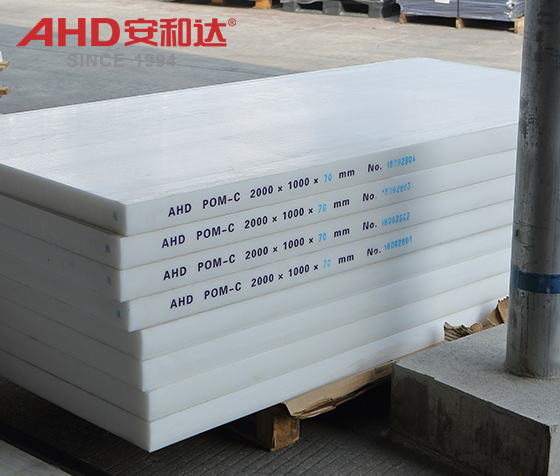
AHD Polyoxymethylene Sheet
Ⅰ. Avoiding 3 Major Pitfalls When Purchasing POM Sheets and Rods (Must-Read)
POM (Polyoxymethylene) sheets and rods, as highly crystalline engineering plastics, are widely used in the automotive, electronics, and machinery manufacturing industries due to their excellent rigidity, wear resistance, and dimensional stability. Market demand is strong, but this also leads to rampant market irregularities. Distributors are most likely to fall into these three pitfalls when purchasing:
1. Pitfall One: Counterfeit Goods and Refurbished Materials Sold as Genuine Products – Don't Be Greedy for Price Differences!
Many POM sheets and rods on the market claiming to be from well-known brands may actually be non-standard goods, refurbished materials, or even counterfeit slices pressed together. These products are priced lower than genuine products, seemingly offering larger profit margins, but in reality, they carry numerous hidden dangers—deviating melt flow rates and insufficient thermal stability. During customer processing, this can easily lead to warping of injection molded parts, abnormal gear meshing noises, and subsequent complaints and returns. This not only results in cost losses but also destroys years of customer trust.
2. Pitfall Two: Model Mismatch, Unrealized Inventory Overstock
POM sheets and bars are divided into two main types: homopolymer (POM-H) and copolymer (POM-C). Homopolymer POM has high rigidity and good heat resistance, suitable for high-load applications; copolymer POM has better thermal stability and fatigue resistance, adaptable to complex processing requirements. Many distributors do not distinguish between models when purchasing, blindly following trends and buying popular models. As a result, customers need high liquidity, but they have a large amount of ultra-tough POM on hand, tying up capital and unable to meet customer needs, ultimately forcing them to sell at a discount.
3. Pitfall Three: Lack of Supplier Guarantee, Stockouts, and After-Sales Disputes
Some small trading companies lack stable sources of goods and rely on "stock transfers" to take orders. During peak seasons, stockouts frequently occur, preventing timely delivery to customers and resulting in the loss of major clients. Even worse, some suppliers refuse to take responsibility when quality problems arise after supplying goods, leaving distributors caught between suppliers and customers, suffering losses from both sides.
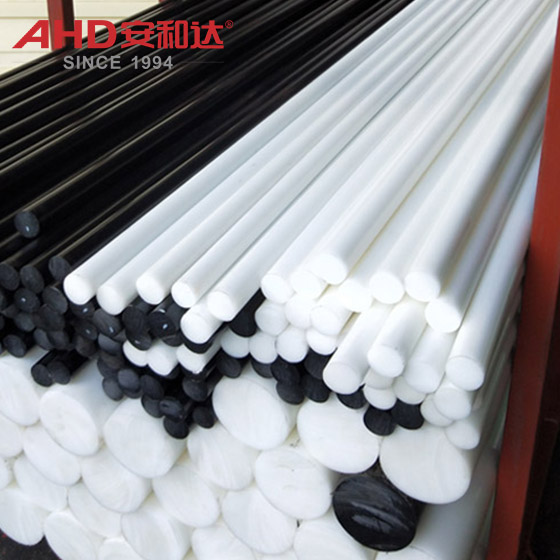
AHD Polyoxymethylene Rod
Ⅱ. Four Key Considerations for Distributors Purchasing POM Sheets and Rods (Guaranteed Profit)
The core of purchasing POM sheets and rods is "stable supply, guaranteed quality, cost control, and matching to needs." These four considerations can help you avoid 90% of the purchasing risks.
1. Prioritize Authorized Suppliers and Reject "Unregistered" Suppliers
As a distributor, the legitimacy of your supply directly determines your reputation. When purchasing, always verify the supplier's qualifications: whether they have official brand authorization, quality-certified production lines, original manufacturer's declaration of conformity and batch testing certificates, and a complete warehousing and quality inspection system. While authorized suppliers may have slightly higher prices, they guarantee genuine products, stable batches, and faster after-sales response to any quality issues, helping you reduce customer complaints.
2. Procurement on Demand, Avoid Blindly Stockpiling, and Control Financial Pressure
POM sheets and rods come in a wide variety of specifications (thickness, diameter) and models, and different customers have vastly different needs. It is recommended to review recent customer needs before purchasing, prioritizing high-frequency, essential models, and keeping small quantities of special models in stock. This avoids tying up capital due to large stockpiles and reduces the risk of inventory buildup.
3. Check 3 Essential Quality Details to Avoid Inferior Goods
Regardless of supplier promises, always check three core details on-site or by sampling: ① Appearance: No scratches, bubbles, or color differences on the surface; clean cuts, no burrs; ② Density: Pure POM sheets and rods have a density of approximately 1.41 g/cm³, feel heavy, and do not feel light; ③ Toughness: When lightly tapped with a hard object, there should be no cracking sound, and it should not easily break when bent (copolymer POM has even better toughness). In addition, request third-party testing reports from the supplier.
4. Negotiate Cooperation Terms to Avoid Future Disputes
Before cooperating with a supplier, be sure to clarify two core terms: ① After-sales guarantee: Agree on the return and exchange period for quality issues, the responsible party, and the compensation plan in case of stockouts; ② Price agreement: Clarify whether the quoted price includes shipping and taxes, preferential policies for bulk purchases, and the adjustment mechanism for price fluctuations. Pay special attention to avoiding verbal agreements; all terms must be put in the contract to protect your rights.
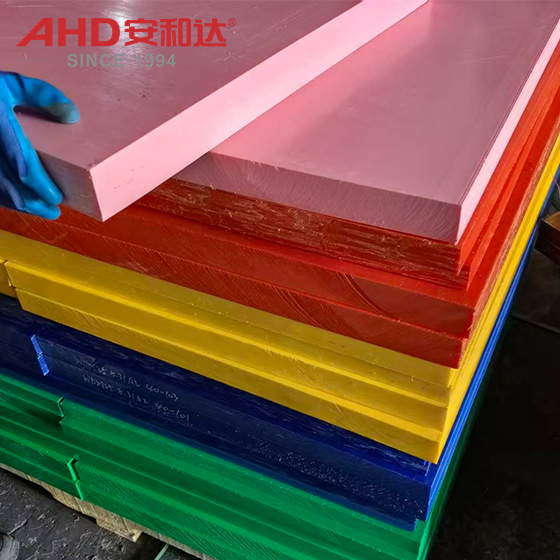
AHD Colorful Polyacetal Sheet
Ⅲ. POM Sheet and Rod Selection Techniques: Precisely Matching Needs to Increase Customer Repurchase Rates
As a distributor, it's not enough to just choose the right source; you also need to help your customers select the right models to increase repurchase rates. Remember these two points to easily help your customers match suitable POM sheets and rods:
1. Select Based on Customer Application Scenarios
Precision gears, bearings, and sliders: Prioritize homopolymer POM, which offers high rigidity, good wear resistance, and high dimensional stability, meeting precision machining requirements.
Thin-walled, complex structural parts: Choose copolymer POM, which offers good thermal stability and excellent flowability, reducing the likelihood of warping and shrinkage during processing.
Outdoor and medical applications: Select specialized models to ensure compliance with industry regulations.
2. Select Based on Cost Budget, Balancing Cost-Effectiveness
When customers have limited budgets, recommend high-quality Chinese brands such as AHD, which offer affordable prices and stable quality. For customers with extremely high quality requirements, recommend higher-end sources. Although the cost is higher, customer acceptance is higher, and the price difference is larger, increasing your profit margin.
Ⅳ. Distributor Procurement Summary
For POM sheet and rod distributors, procurement is not about "buying the cheapest," but about "buying with confidence"—offering legitimate and authorized sources, precisely matching models, and reliable suppliers are the core of long-term profitability. Investing time in screening high-quality suppliers, controlling inventory, and accurately selecting models can reduce after-sales problems, build a loyal customer base, and achieve sustainable profitability.
The POM sheet and rod market is highly competitive. Only by adhering to quality standards, selecting the right sources, and making sound model choices can distributors stand out from the crowd. If you are unsure how to screen legitimate suppliers or are uncertain about the models your customers require, consult industry reputations and prioritize manufacturers with technical support and sufficient warehousing, such as AHD, to reduce procurement risks.