A Bottle of Milk Reveals a Global Supply Chain Crisis
In early April 2026, Malaysian consumers discovered that Farm Fresh milk had quietly disappeared from supermarket shelves. Surprisingly, the shortage wasn't due to insufficient milk production, but rather a shortage of plastic bottles for packaging the milk. Behind this phenomenon lies a disruption in the plastic resin supply chain caused by global geopolitical conflicts, rapidly spreading into a packaging crisis affecting multiple countries.
According to the <Malay Mail>, the US-Iran conflict has severely disrupted the global petrochemical product supply chain, leading to a severe shortage of polyethylene terephthalate (PET) resin. PET is a key raw material for manufacturing packaging materials such as plastic bottles and food containers. Its supply shortage has directly affected the supply of daily necessities in Malaysia and may impact the wider Asia-Pacific market in the coming weeks.
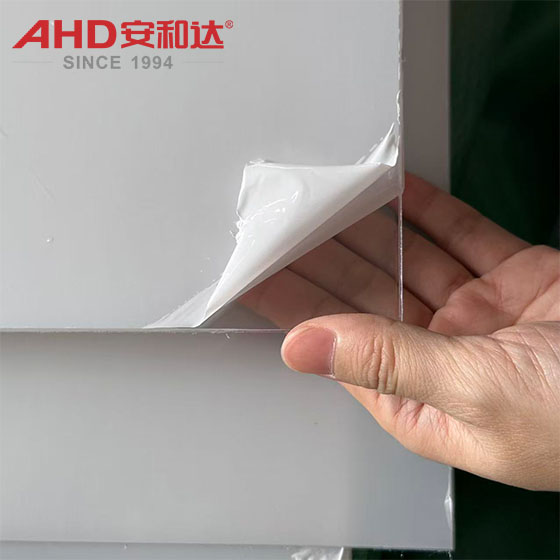
Clear PET Plastic Sheet
Event Details: Malaysia's Packaging Crisis Emerges in earnest
2.1 Fresh Milk Bottle Shortage: The First Sign of Supply Chain Disruption
Farm Fresh's Chief Operating Officer confirmed to the media, "The Iran war has indeed had a real impact. When such a crisis occurs, prices rise and supplies become difficult to obtain." The company is facing pressure from PET resin shortages and has had to shift more production lines to other forms such as cardboard packaging.
This phenomenon is not isolated. The chairman of the Johor branch of the Malaysian Plastics Manufacturers Association (MPMA) pointed out that the availability of raw materials is becoming increasingly uncertain. "Some manufacturers are starting to sell at higher prices and with longer delivery times," he said. "Resin prices have surged by 15% to 40% in Asia, and the production cost of plastic bottles has increased by 30%."
2.2 Domino Effect: A Comprehensive Impact from Food to Daily Necessities
The crisis is spreading from dairy products to a wider range of product categories:
Edible oils, shampoos, cleaning products: These everyday items that rely on plastic packaging face the same risks.
Beverage industry: Bottled water and soft drink manufacturers have begun looking for alternative packaging solutions.
Pharmaceutical packaging: Drug packaging has higher safety requirements, and alternative solutions are more complex.
"Without sufficient packaging, manufacturers cannot guarantee the freshness or distribution of their products; packaging has become a bottleneck in the supply chain."
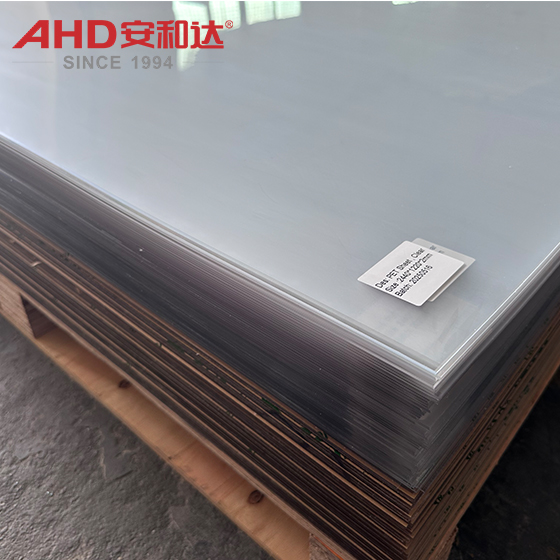
Transparent PET Sheet
Cause Analysis: How Geopolitics Tortures the Plastics Supply Chain
3.1 US-Iran Conflict: Disruption of the Middle East's Petrochemical Lifeline
The Middle East is a crucial global production base for petrochemical products, with Iran being a key player. The conflict led to:
Riverway Risks: Increased uncertainty in transportation through key waterways such as the Strait of Hormuz
Production Facility Security: Some petrochemical plants reduced or suspended production due to security concerns
Investment Freeze: Delays in new capacity construction plans, damaging long-term supply capacity
3.2 The Unique Vulnerability of PET Resin
The PET resin supply chain has several key vulnerabilities:
High Concentration: Global PET production capacity is concentrated in a few large petrochemical companies
Long Supply Chain: Multiple processing stages are involved from crude oil to PET bottled products
Just-in-Time Production: Industries such as beverages generally adopt a "production-on-demand" model, with limited inventory buffers.
3.3 Chain Reaction: Impact Across the Entire Supply Chain from Crude Oil to Bottled Goods
The impact of the conflict amplifies progressively along the supply chain:
Tight crude oil supply → Soaring paraxylene (PX) prices → Increased purified terephthalic acid (PTA) costs → Limited PET resin production → Raw material shortages for plastic bottle manufacturers → Insufficient packaging for consumer goods companies → Stockouts at retail outlets
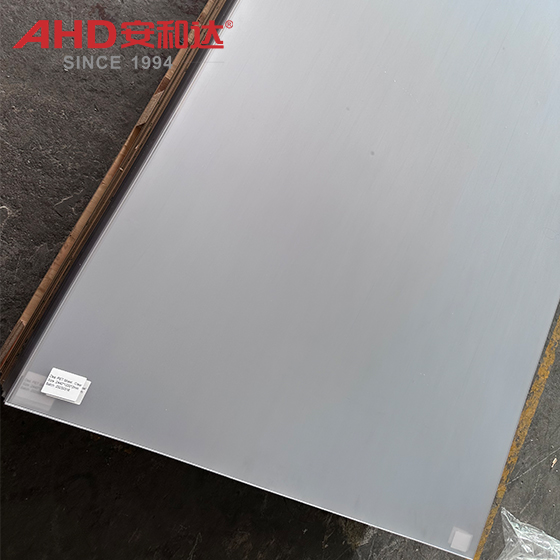
Clear Polyethylene Terephthalate Sheets
Global Impact: Price Surge and Spreading Supply Tightness
4.1 Asian Market: Prices Surge 15-40%
Data shows that resin prices in Asia have risen significantly:
Minimum increase: 15% (some basic grades)
Highest increase: 40% (high-end food-grade PET)
Average increase: 25-30%
4.2 Neighboring Regions: Taiwan and South Korea Affected
Taiwan: Prices of some plastic products have risen significantly
Southeast Asia: Producers in Thailand and Indonesia report raw material delivery delays
4.3 Reshaping the Global PET Market Landscape
In its April 10th report, "Polyethylene Market Update in Indonesia, Malaysia, and Thailand," international consulting firm SSESSMENTS points out that Southeast Asian plastic product manufacturers are facing the dual pressures of high raw material costs and limited supply. This pressure may drive the following structural changes:
Regional supply chain restructuring: Companies seek production bases closer to consumer markets
Accelerated material substitution: More investment in alternatives such as paper packaging and biodegradable plastics
Inventory strategy adjustments: The industry shifts from "just-in-time production" to higher safety stock levels