

Solve Critical Pain Points for Hydroponic Farmers
Heavy metal leaching and chemical migration from low-grade plastics threaten food safety and fail international certifications. Traditional materials crack easily, corrode fast, and harbor bacteria or algae, raising maintenance costs. Polypropylene Sheet and Polypropylene-based solutions address these gaps. Farmers need FDA-compliant materials for export and premium supermarket orders—without them, accessing EU and US markets is impossible. PP Sheet custom sizes, thicknesses, low minimum orders, and fast lead times are also urgent needs. Balancing durability and cost-effectiveness remains a top challenge. This article explains why food-grade Polypropylene Plastic Sheets have become the backbone of modern hydroponics.
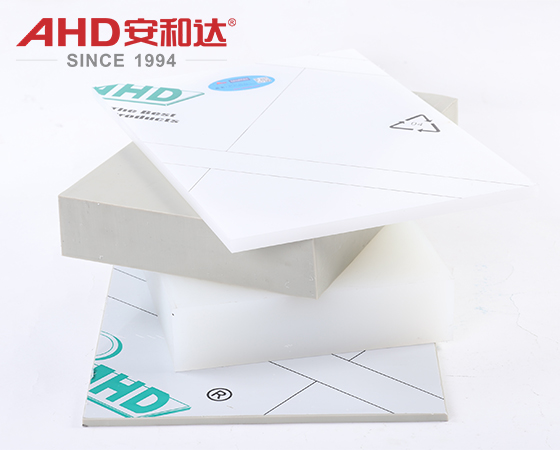
1. What is hydroponics, and how is it changing farming?
Hydroponics is a way to grow plants without soil. Instead, it uses water solutions that are full of nutrients. It increases yields by 30% to 50% compared to traditional farming and uses 90% less water. The Hydroponic PP sheet is a key part of it.
Vertical farming: Systems with 10 to 24 layers make the most of space in cities. A PP Sheet makes up the agricultural plastic liner.
Commercial greenhouses can grow crops all year round, no matter what the weather is like. AHD PP Sheet is a common material for durable nursery trays plastic.
Aquaponics: systems that use fish and plants together to cut down on waste. AHD PP Sheet can be your fish farm tank liner PP board.
Urban farming: container and rooftop farms to grow food for the local market.
By 2030, the global market for hydroponics is expected to be worth $24.8 billion. Food-safe, long-lasting materials like food-grade PP sheet hydroponics that meet strict health and safety standards are a key driver.
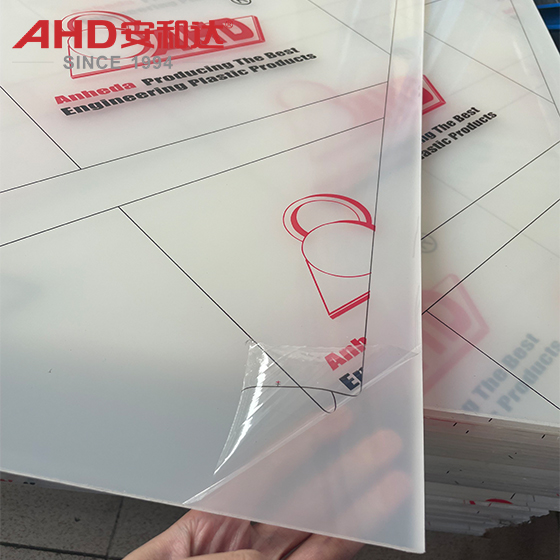
2. Why Polypropylene Is a Great Material for Hydroponics
Polypropylene (PP), a type of thermoplastic polymer, works better than PVC, HDPE, and acrylic in hydroponic systems.
Benefits of PP for Hydroponics
Food-safe and non-toxic: meet the safe standard; no BPA, phthalates, or heavy metals.
Resistant to chemicals: can handle nutrient solutions with a pH of 4 to 9 and common pesticides.
Waterproof and low absorption: stops warping, rotting, and algae from growing.
Impact-resistant and long-lasting: works at temperatures from -20°C to 120°C and won't crack.
Cleaning and sanitizing is easy because the smooth surface keeps bacteria from growing. It also works with UV and chemical disinfection.
Affordable: Costs less than food-grade acrylic or stainless steel.
Polypropylene sheet for hydroponics is great for making trays, nutrient tanks, irrigation channels, and aquaponic parts.
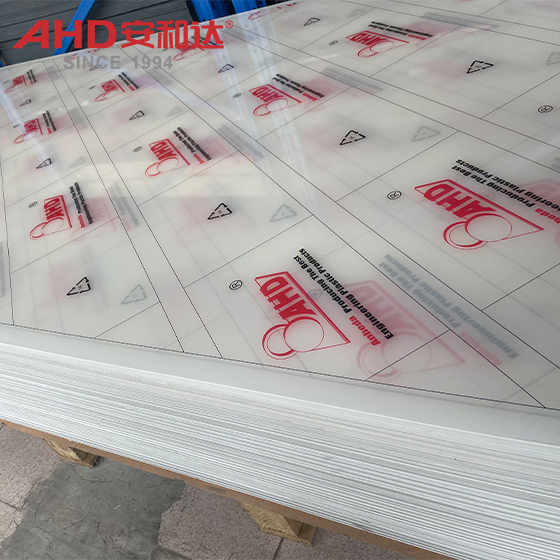
3. Material Comparison: PP Sheets vs. Alternatives
| Food Safety | Chemical Resistance | Durability | Cost | Best For | |
| Food-Grade PP | FDA/GB compliant | Excellent (pH 4–9) | 10–15 year lifespan | 1 | Hydroponic trays, tanks, aquaponics |
| PVC | May leach phthalates | Good | Brittle, cracks | 2 | Non-food applications |
| HDPE | Food-safe | Good | Rigid | 2 | Water tanks |
| Acrylic | Food-safe | Poor (attacked by organics) | Scratches easily | 3 | Display, not systems |
| Stainless Steel | Food-safe | Excellent | 20+ years | 4 | High-end, corrosion-critical |
In conclusion, PP plastic sheet for hydroponics is the best choice for commercial systems because it is safe, works well, and is cheap.
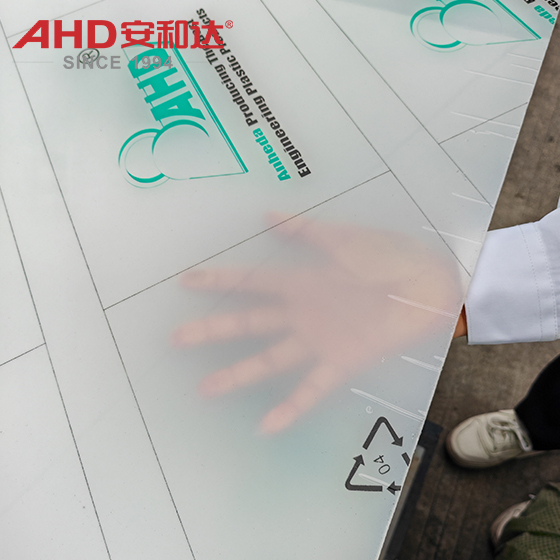
4. Uses of Food-Grade PP Sheets in Hydroponics
4.1 Trays and channels for growing
Food-grade PP sheets for hydroponic growing trays make a flat, stable surface for both seedlings and mature plants.
Sizes: Custom lengths up to 3m, widths from 1 to 1.5m, and thicknesses from 1 to 280mm.
Design: Holes for net cups are already drilled, and the construction is seamless to stop leaks.
Pros: It is light (50% lighter than PVC), easy to clean, and doesn't grow algae.
4.2 Tanks and reservoirs for nutrients
Waterproof PP board for hydroponic nutrient tanks keeps nutrient solutions safe and moving around.
100% waterproof, low nutrient absorption, and easy to clean are some of its features.
Safety: Stops chemical reactions that change the pH of nutrients or add toxins.
4.3 Systems for Aquaponics
FDA-approved polypropylene sheets for aquaponics help fish and plants live together.
Two levels of safety: safe for both fish and plants that can be eaten.
Corrosion resistance: Can handle fish waste and biofilters.
4.4 Watering and draining the greenhouse
Food-safe PP sheet for greenhouse irrigation systems makes sure that clean water gets to the plants.
Smooth surfaces: Keep bacteria and clogs from building up.
UV stability means it won't break down when it's outside.
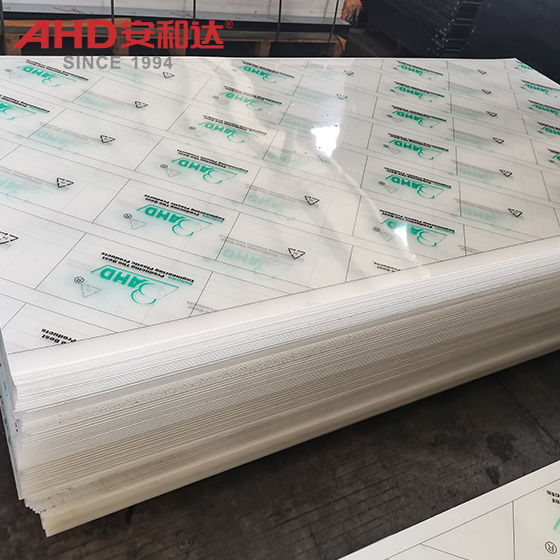
5. Compliance and Certification: FDA and Food-Grade Standards
Materials must meet strict standards in order to be sent to EU and US markets.
FDA: Safety of food contact in the US.
GB: Standard for food contact in China.
EU Rule: Safety of plastic materials in the EU.
The FDA has approved PP sheet for farming, but it has to pass a lot of tests:
Limits for heavy metals like lead and cadmium are less than 0.01mg/dm².
Total migration: less than 10 mg/dm² in food simulants.
There are no harmful additives like BPA or phthalates.
AHD sells PP sheets that meet FDA/GB standards and come with full test reports, which helps them get into the market.
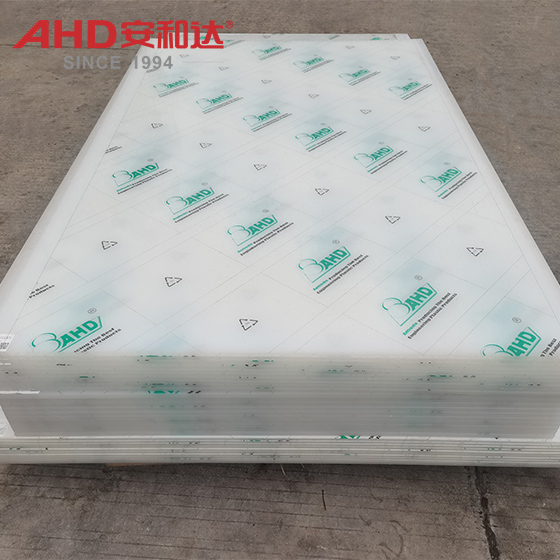
6. AHD has been working with PP plastic solutions for 32 years.
AHD has been making engineering plastic sheets and rods since 1994 and is a top company in the field.
Benefits of AHD's Food-Grade PP Sheet
32 years of making things: stable quality and technical know-how.
Full compliance: GB and FDA certifications.
You can choose the size, thickness, and color.
High performance: 99.9% of properties are compliant; grades that are UV-stabilized and resistant to corrosion.
Low minimum order quantity (MOQ) and quick lead times make it good for projects of all sizes.
One-stop shop for samples, test reports, and help picking the right one.
AHD has the best PP plastic sheets for vertical farming. They are light, strong, and safe for food, making them perfect for multi-layer systems.
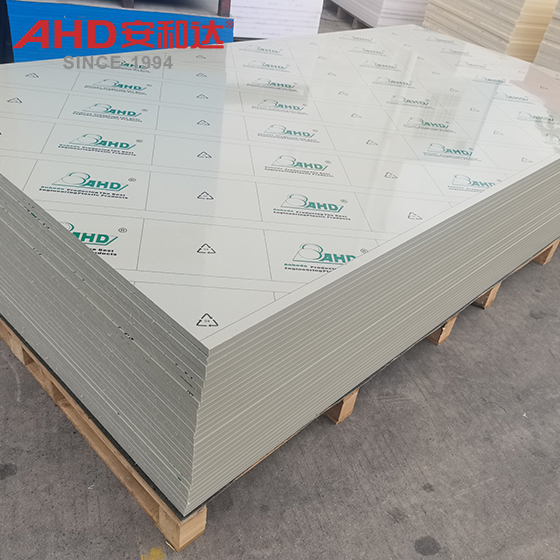
7. How to Choose the Best PP Sheet for Your Hydroponic System
7.1 Guidelines for Thickness
Growing trays should be 5 to 10 mm thick to balance strength and weight.
Nutrient tanks: 10–20mm (for holding water weight).
Irrigation channels: 3–5mm (strong and flexible).
7.2 Important Factors to Consider
Food safety certification: Make sure you follow FDA and GB rules.
Check for chemical resistance by making sure it works with nutrient solutions.
Grade for UV stability: For greenhouses outside.
Finish on the surface: smooth for easy cleaning and rough for traction.
Color: White (reflects light) or Gray (stops algae from growing).
AHD's corrosion-resistant PP sheets for commercial hydroponics meet these standards, so they will last a long time.
Buy good quality PP sheets to make your hydroponic system work.
The future of farming is hydroponics, and food-grade PP sheets are the building blocks of this method. PP is better than other options in terms of safety, durability, compliance, and cost-effectiveness.
AHD is a trusted partner that offers plastic sheet and rod solutions. AHD helps farmers build safer, more efficient systems with 32 years of experience, full certifications, and the ability to make things to order.