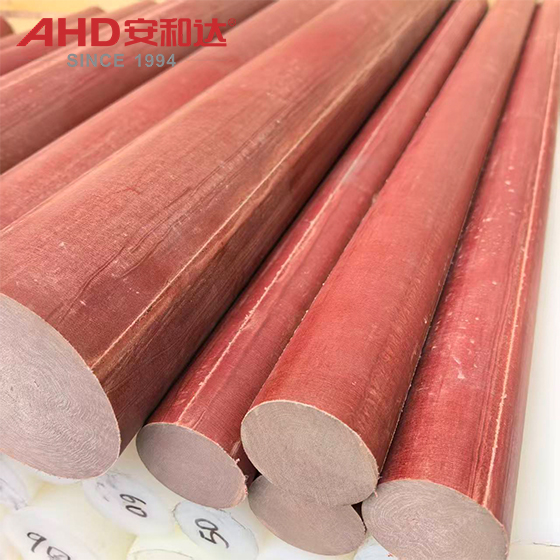
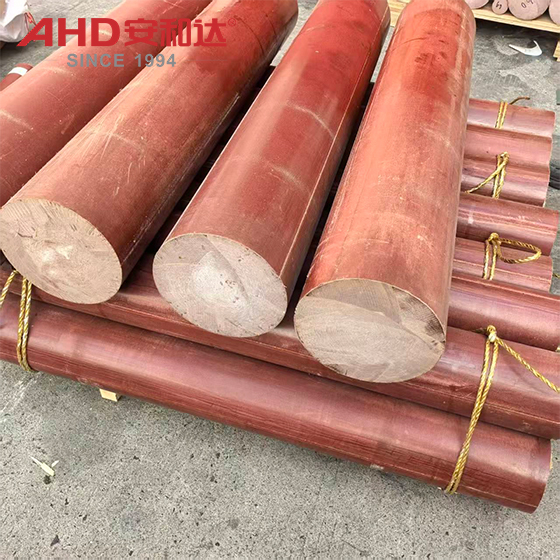
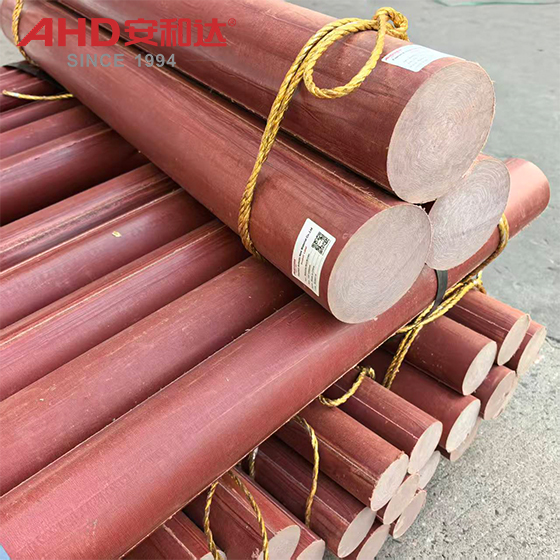
Industrial non-metallic components rely heavily on durable, low-noise raw materials for long-term stable operation. A Cotton Phenolic Rod made from cotton laminate are commonly used for mechanical assemblies like bushings, bearings and gears.
This article covers applicable scenarios, safe load ranges and practical lubrication rules for these parts made from Cotton Phenolic Bar. Buyers can get clear reference data and application tips for component selection right here.
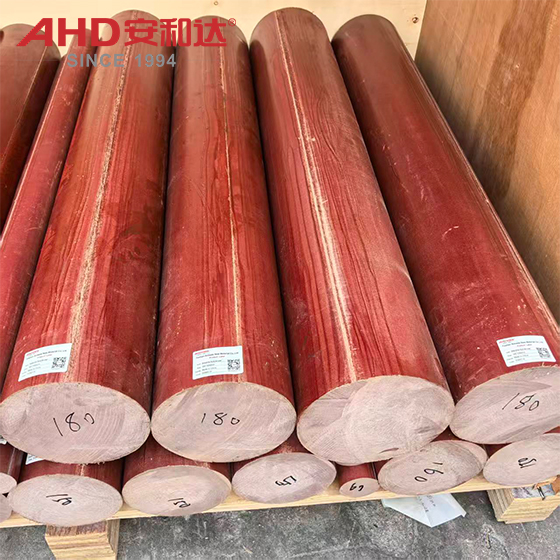
Applicable Scenarios for Phenolic Laminate Bushings & Components
Phenolic cotton laminate rod works best in low-speed, moderate to high-load operating environments. It is widely processed into phenolic laminate bushings and transmission parts for general machinery.
This material complies with the industry standard for laminated thermoset materials. It resists mild chemical corrosion and constant friction better than many standard plastics.
Common application fields include food processing equipment, textile machinery and packaging lines. These settings match the material’s inherent mechanical and anti-wear properties perfectly.
Cotton phenolic rod components also fit assembly lines where metal parts produce excessive running noise. Many factories replace metal fittings with these parts to improve workshop comfort.
With 32 years of manufacturing experience, AHD Polymer supplies full series engineering plastic sheet and rod. All raw materials follow international standards for consistent performance in finished parts.
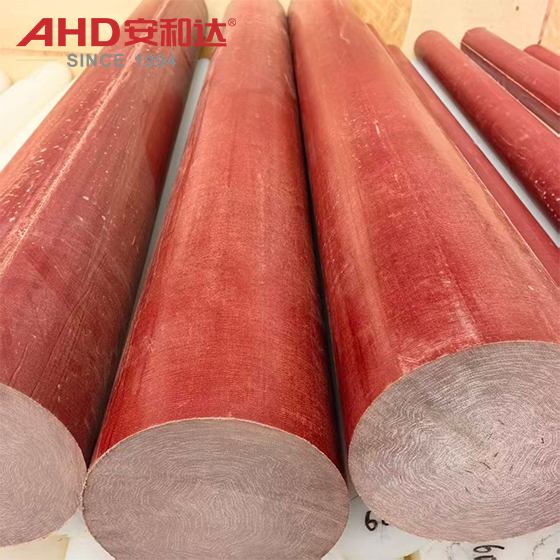
Load Limits for Phenolic Cotton Laminate Rod Bushings
To extend the service life of parts made from phenolic cotton laminate rod bushings, it is important to know the load limits. Deformation and rapid wear will occur if overloaded.
For static load, allowable value is 25 MPa for standard size of rods. The safe working load is reduced to 12 MPa for long term use under continuous dynamic operation.
For low speed high load, the non-metallic phenolic bearings perform steadily in the above mentioned range. Speed should be kept below 1.5 m/sec so that the overheating and softening of the material does not occur.
Rigorous testing on each batch, product qualification rate always above 99%. We have stock to ensure fast delivery worldwide from our factory and we offer preferential pricing for bulk orders.
In designing parts allow a 15% safety margin on the actual working load. This simple rule will stop any unexpected damage at peak times of operation.
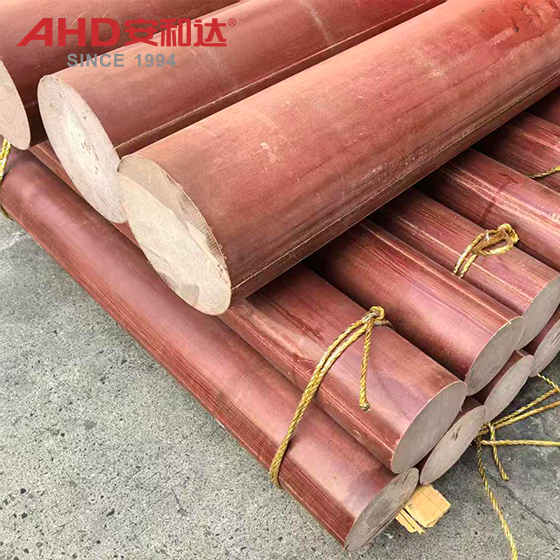
Lubrication Reality: Dry Running & Lubrication Requirements
Many buyers ask about phenolic cotton rod lubrication requirements dry running. This material supports short dry running but cannot sustain long-term operation without lubricant.
Short dry running within 30 minutes causes no obvious wear. For continuous production, light oil lubrication is recommended to cut friction coefficient and raise efficiency.
Grease lubrication suits low-speed heavy-load gears and bearings. Avoid high-viscosity lubricants, as they will gather dust and accelerate surface abrasion over time.
Regular lubrication checks belong to basic daily maintenance. Proper lubrication can lift the overall service life of machined parts by nearly 40% in actual production.
Cotton Phenolic Gears versus Metal Gears: Noise & Practical Use
Cotton phenolic laminate materials advantages Cotton phenolic gears vs metal gears noise reduction is one of the major advantages. The running noise is 28 to 35 decibels less than that of carbon steel gears.
Metal gears have a higher ultimate load but produce sharp friction noise and require frequent anti-rust treatment. Phenolic gears are rust-free and run smoothly in enclosed workshops.
Phenolic gears are more economical for transmission structures without ultra-high speed and extreme load. They also dampen vibration while equipment is operating.
Lifespan & Maintenance Tips for Phenolic Laminate Gears
Following professional lifespan maintenance tips helps maximize the value of phenolic laminate gears. Daily maintenance is simple and easy for on-site operators to follow.
First, keep the working area clean to stop hard particles from scratching part surfaces. Second, inspect surface wear every two weeks for early replacement arrangements.
Third, control the operating temperature below 80℃. High temperature will gradually reduce the material’s hardness and shorten the overall service cycle of transmission parts.
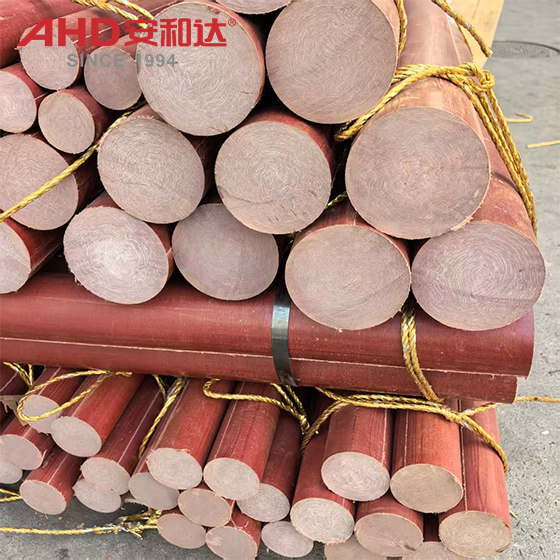
In addition to supplying standard-sized Phenolic cotton laminated rods(diameter from8-280 mm), AHD can also provide post-processing services.AHD Polymer provides customized processing according to client drawings and size demands. From raw Phenolic Bar to finished machined components, we deliver one-stop service.
Factory direct supply cuts intermediate costs. Our large inventory supports quick shipment for both regular orders and urgent small-batch trial orders globally.
Q1: What’s the difference between cotton phenolic laminate rod and common phenolic rod?
A: Cotton phenolic laminate rod is reinforced with cotton fabric and has better compressive strength and impact resistance. More for general insulation parts. This is load bearing bushings and gears
Q2: Will phenolic cotton laminate rod work in wet working environments?
It can take getting wet every now and then but it’s not meant to be left in water. Constant high humidity will slightly reduce the hardness and wear resistance of its surface.
Q3: Do you machine and cut custom sizes for bulk orders of phenolic rods?
A: Yeah. AHD Polymer provides full service custom machining, cutting and shaping. We manufacture raw Phenolic Rod to your technical drawings.
AHD Polymer is your one stop shop to get quality Phenolic Rod and machined parts to your machinery.
On your request we can offer free samples and formal quotation. Also performance test reports are available.
Contact our team today for custom solutions, factory direct pricing and fast global delivery.