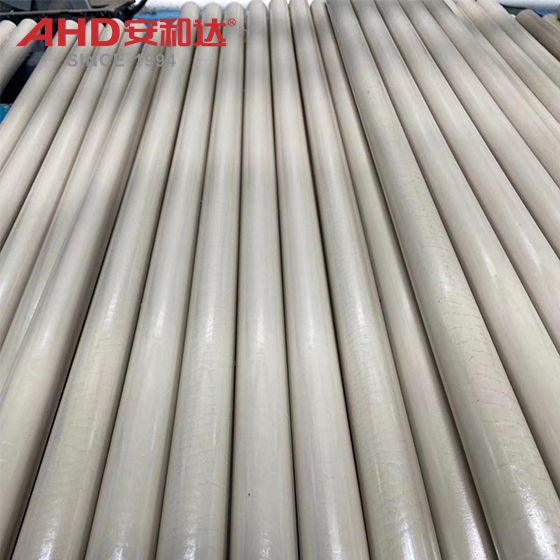
PPS (polyphenylene sulfide) and PEEK (polyetheretherketone) sheets are both high-performance engineering thermoplastics, but they differ significantly in properties, appearance, applications, and handling requirements. Below is a detailed comparison focusing on their differences.
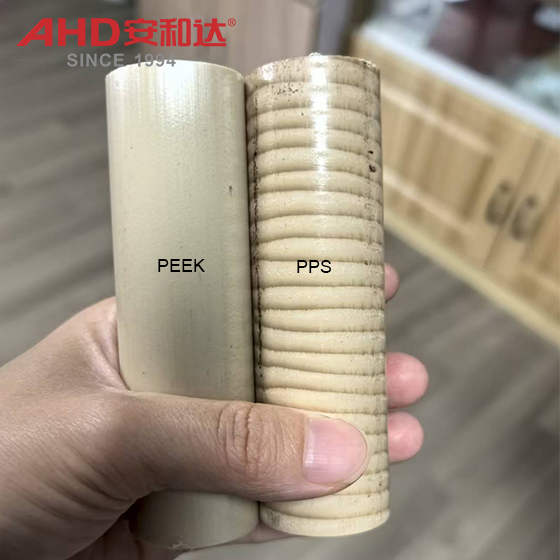
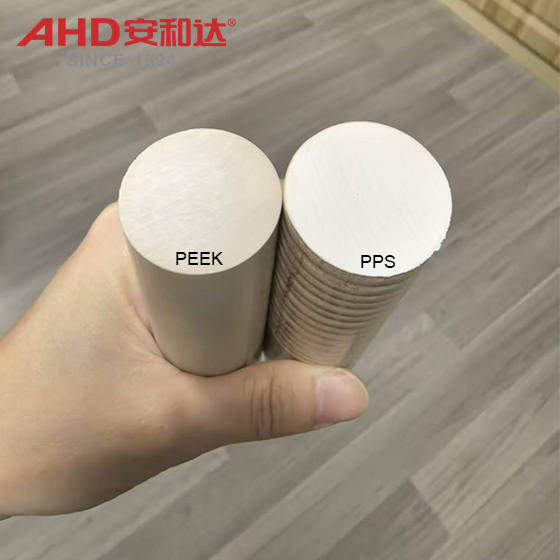
Differences in Appearance
| Property | PPS Sheet | PEEK Sheet |
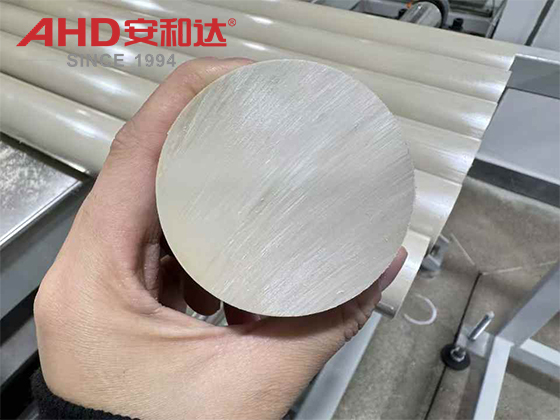
| Color | Opaque, typically beige or light tan in natural form; can be dyed black or other colors. | Opaque, natural light tan/beige (unfilled) or black (carbon-filled); slightly more translucent in thin sections. |
| Surface Finish | Smooth, matte finish; uniform but less glossy. | Smooth, slightly glossy or waxy finish; appears more premium. |
| Visual/Tactile | Very rigid, dense, and less prone to scratching than general plastics but less tough-looking than PEEK. | Extremely rigid, tougher appearance, highly scratch-resistant, with a slightly waxy feel. |
Differences in Properties
Both are semicrystalline thermoplastics with excellent mechanical and chemical properties, but PEEK generally outperforms PPS in extreme conditions. Key property differences (unfilled grades at room temperature unless noted):
| Property | PPS Sheet | PEEK Sheet |
| Tensile Strength (MPa) | 80–100 | 90–110 |
| Impact Strength (Izod, ft-lb/in) | 0.4–1.5 (lower toughness) | 1.5–2.2 (higher toughness) |
| Continuous Use Temp (°C) | 200 | 250 |
| Melting Point (°C) | 285 |
340
|
| Chemical Resistance | Excellent (resists acids, bases, most solvents; weaker vs. strong oxidizers like nitric acid). | Superior (resists broader range, including ketones and strong oxidizers; slightly better in harsh chemicals). |
| Flame Resistance | Self-extinguishing (UL94 V-0); burns with blue/yellow flame, sweet ester odor. | Harder to ignite, continues burning longer; blue/yellow flame, less distinct odor, may spurt. |
| Electrical Properties | Excellent insulator; used in electrical components. | Comparable insulator but slightly better dielectric strength for high-voltage applications. |
| Cost | Medium (more affordable) | High (2–3x more expensive than PPS). |
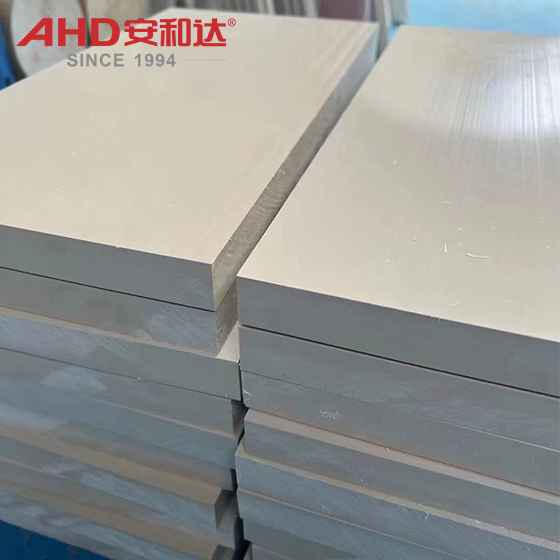
AHD PEEK Sheet
Differences in Usage
| Aspect | PPS Sheet | PEEK Sheet |
| Primary Applications | Automotive (under-hood parts like pumps, valves); Electrical insulators (connectors, circuit boards); Chemical processing (pipes, fittings); Industrial components in wet/chemical environments. | Aerospace (engine parts, structural components); Medical (implants, sterilizable devices due to biocompatibility); High-temp bearings, seals, pump components;Oil/gas (downhole components). |
| Key Advantages | Cost-effective alternative to metals/PEEK; Excellent chemical resistance in industrial settings;Easier to process than PEEK. | Superior thermal stability (up to 260°C continuous); Biocompatible (medical-grade certified); Higher toughness and wear resistance for extreme conditions. |
| Limitations | Less tough and impact-resistant than PEEK; Lower max temperature (~220°C vs. 260°C); Not suitable for medical implants. | Significantly more expensive; Overkill for less demanding applications; Requires higher processing temperatures. |
Differences in Precautions
Both materials require careful handling during processing due to high melting points, but PEEK’s higher temperature requirements and applications (e.g., medical) add specific considerations.
| Aspect | PPS Sheet | PEEK Sheet |
| Processing | Dry 4–6 hours at 150°C before molding to avoid hydrolysis; Molding temps ~300–330°C; use coolant for machining to control heat; Avoid prolonged exposure >220°C to prevent degradation. | Dry 2–3 hours at 150–180°C to prevent defects; Higher molding temps (~360–400°C); precise temp control needed; Use sharp tools and coolant for machining to avoid stress cracks. |
| Safety | Ventilation for fumes during cutting/melting (sweet odor); Wear PPE (gloves, goggles) for hot molds; extinguish fires with CO2/water. | Similar ventilation for fumes (less distinct odor); PPE critical due to higher processing temps; Use certified grades for food/medical contact; ensure compliance. |
| Storage | Store in dry, cool conditions; minimal UV sensitivity. | Similar storage; slightly higher water absorption requires drier conditions for medical grades. |
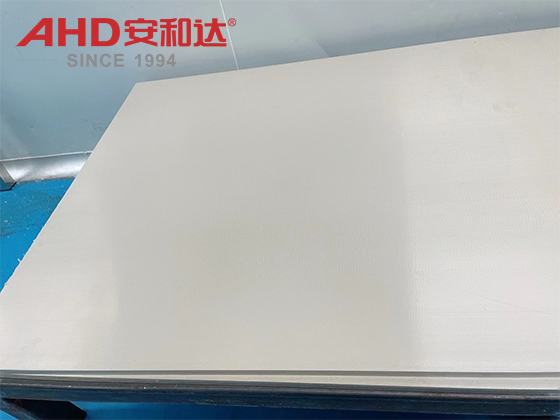
AHD PPS SHEET
Summary
PPS Sheet: More affordable, excellent for industrial applications like automotive and electrical components, with good chemical and thermal resistance (up to 220°C). Less tough and not biocompatible.
PEEK Sheet: Premium material for extreme conditions (up to 260°C), aerospace, medical implants, and high-wear applications. Higher strength, toughness, and chemical resistance but significantly more expensive.
Quick ID: PPS is slightly denser, self-extinguishes faster with a sweet odor in flame tests, and is less glossy. PEEK is tougher, harder to ignite, and has a waxy, premium feel.
For precise identification, use FTIR spectroscopy or material datasheets. Both require careful processing, but PEEK demands stricter temperature control and certified grades for medical use.
AHD PPS ROD