

ABS (acrylonitrile-butadiene-styrene) and POM (polyoxymethylene) are both high-performance engineering plastics widely used in the automotive, electronics, and home appliance industries. However, due to significant differences in their chemical structures and molecular properties, they exhibit distinct differences in performance and application scenarios. The following is a detailed comparative analysis of the two based on chemical structure, physical properties, mechanical properties, thermal properties, processing characteristics, application areas, and chemical stability:
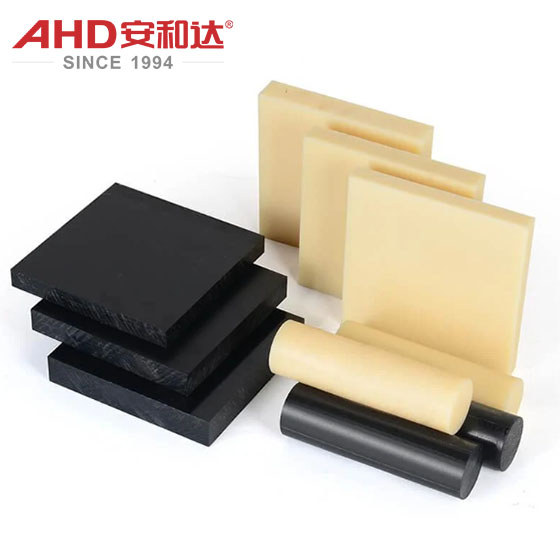
I. Chemical Structure
ABS: Made by grafting three monomers: acrylonitrile (A), butadiene (B), and styrene (S), it is a heterophasic copolymer.
Acrylonitrile (A): Provides polar groups (-CN), imparting chemical resistance, rigidity, and surface hardness to the material.
Butadiene (B): Dispersed in the continuous phase as a rubbery elastomer (-CH₂-CH=CH-CH₂-), it acts as a "toughening phase," significantly improving the material's impact toughness and crack resistance.
Styrene (S): Provides a non-polar benzene ring structure, improving the material's processing fluidity, transparency (although ABS is typically opaque), and rigidity.
POM (polyoxymethylene) is a linear crystalline polymer produced by polycondensation or homopolymerization/copolymerization of formaldehyde (HCHO). Its molecular backbone consists of repeating -O-CH₂- units (homopolyoxymethylene POM-H, such as DuPont Delrin) or contains a small amount of comonomer (such as ethylene oxide, copolymer polyoxymethylene POM-CO, such as Saigang).
High crystallinity (typically 70%-85%) is its core characteristic. The crystalline regions impart high rigidity, wear resistance, and dimensional stability to the material;
The non-crystalline (amorphous) regions affect its toughness and processability.
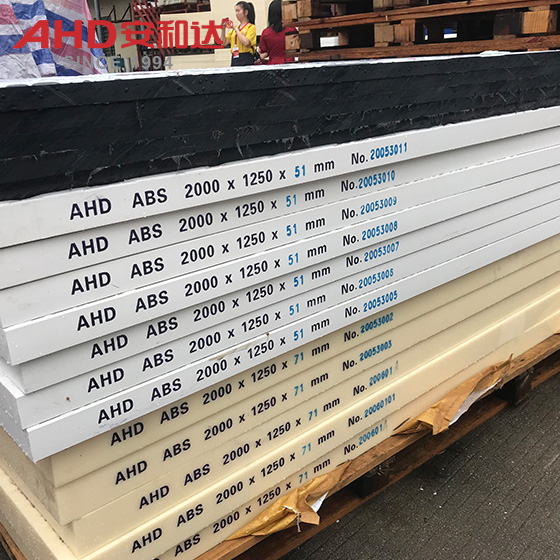
2. Physical Properties
| Performance indicators | ABS | POM |
| Density | 1.04-1.1 g/cm³ (medium) | 1.38-1.45 g/cm³ (higher for homopolymers, slightly lower for copolymers) |
| Water Absorption | 0.1%-0.4% (Easily absorbs moisture, requires drying) | 0.2%-0.25% (Fewer polar groups, lower hygroscopicity than ABS) |
| Flammability | UL94 -HB | UL94 -HB |
| Color and Transparency | Usually opaque (can be dyed) | Opaque (caused by crystallization); some homopolymers can be translucent |
| Surface Gloss | High (imparted by the styrene component) | Medium (rougher surface due to the crystalline structure) |
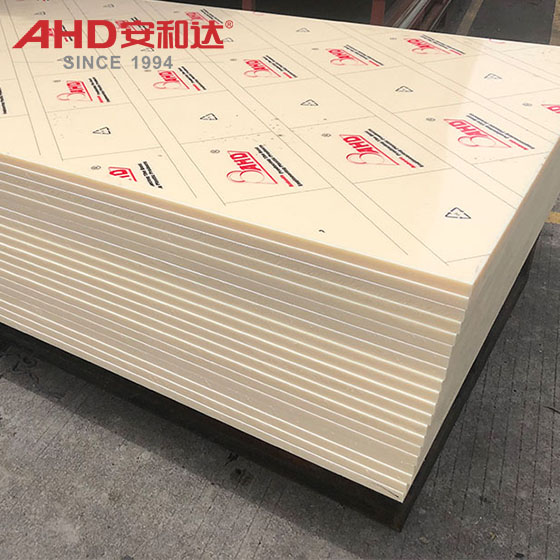
AHD ABS Plastic Sheets
III. Mechanical Properties
Impact Toughness:
ABS, due to its butadiene rubber phase, has extremely high notched impact strength (typically 15-30 kJ/m², with high-impact grades reaching over 40 kJ/m²), making it suitable for applications subject to dynamic loads or impact.
POM is a rigid polymer with low notched impact strength and high brittleness, requiring glass fiber reinforcement or elastomer blending.
Rigidity/Hardness:
POM's tensile modulus (2.6-3.8 GPa) and Rockwell hardness (R120-130) are significantly higher than those of ABS (tensile modulus 2.1-2.4 GPa, Rockwell hardness R95-110), making it more suitable for high-rigidity parts.
Wear Resistance:
POM's molecular chains are highly polar and crystallin, resulting in strong intermolecular forces and a low coefficient of friction. Its wear resistance far exceeds that of ABS, making it a preferred material for gears, pulleys, and precision transmission components.
Fatigue Strength:
POM has a longer fatigue life (due to its uniform crystal structure) and is suitable for enduring cyclic loads. ABS has lower fatigue strength and is susceptible to degradation from long-term dynamic use.
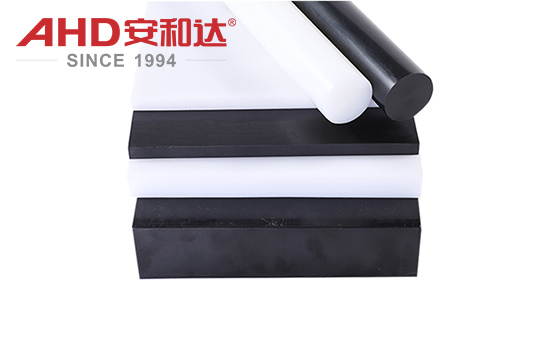
Ⅳ. Thermal Performance
| Performance indicators | ABS | POM |
| Melting Point | melting point 145°C (copolymer) | Crystalline material, melting point 160-180°C (higher for homopolymer) |
| Heat Deflection Temperature (HDT) | 75-105°C (1.8 MPa, unreinforced) | 100-130°C (1.8 MPa, unreinforced) |
| Temperature Range | Long-term operating temperature: -40-70°C | Long-term operating temperature: -40-100°C (up to 150°C after enhancement) |
| Low-temperature resistance | Maintains a certain degree of toughness at low temperatures (-40°C) | Increased brittleness at low temperatures (requires copolymerization for toughening, such as POM-CO) |
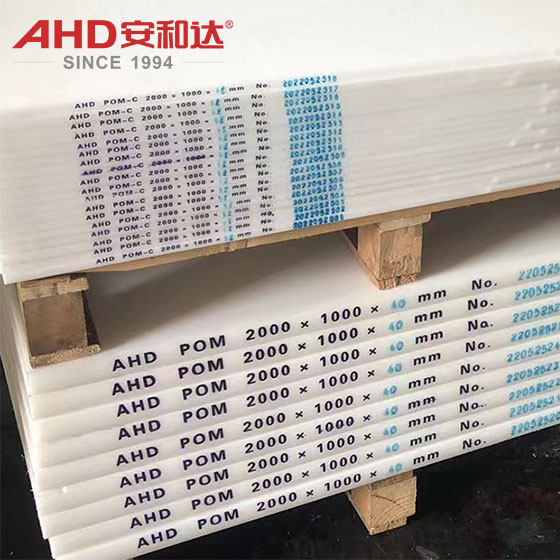
V. Processing Characteristics
Influence of Crystallinity:
POM is a crystalline polymer. During processing, the cooling rate must be strictly controlled (excessive cooling can easily lead to uneven crystallization and warping of the product), and high-temperature heating is required to promote crystallization.
ABS is an amorphous/low-crystalline polymer with a wide processing window. The cooling rate has little effect on dimensional stability, making it easier to mold complex structures.
Flowability:
ABS has a low melt viscosity and good flowability, making it suitable for thin-walled parts and large parts.
POM has a higher melt viscosity (due to the densely packed molecular chains in the crystalline region) and poor flowability. This makes it sensitive to mold gate design (requiring large gates or hot runners), otherwise, short-cuts or weld marks can occur.
Molding Shrinkage:
POM has a high crystallization shrinkage, making the product prone to warping and deformation. This shrinkage must be reduced through mold design (such as adding ribs) or filler modification (such as glass fiber or calcium carbonate).
ABS has a low shrinkage, making dimensional accuracy easier to control, making it suitable for high-precision parts.
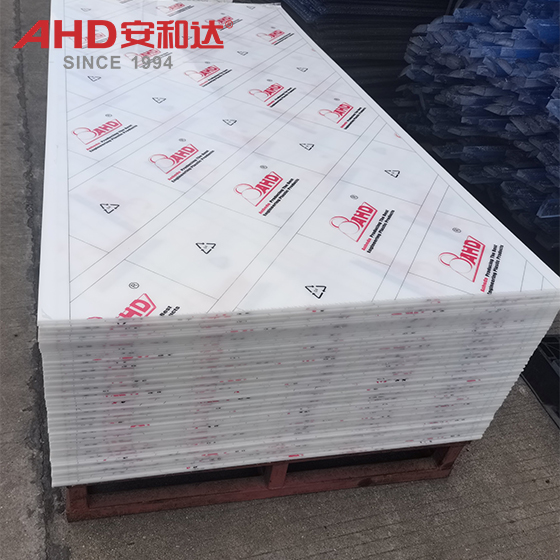
VI. Applications
ABS:
Due to its high toughness, easy coloring, and easy surface plating/spraying, it is widely used in:
Home appliances: air conditioner panels, washing machine control panels, microwave oven housings;
Automotive: instrument panels, interior trim, headlight housings;
Consumer goods: toys (Lego blocks), electronic device housings (mobile phone cases), sports equipment (ski bindings);
Industrial: tool handles, pipe fittings.
POM:
Due to its high rigidity, wear resistance, and dimensional stability, it is primarily used in:
Precision machinery: gears, bearings, cams, pulleys;
Electronic appliances: zipper pulls, lock components, relay housings;
Automotive: wiper gears, seat adjustment mechanisms, seat belt buckles;
Daily necessities: zippers, buttons, pipe valves.
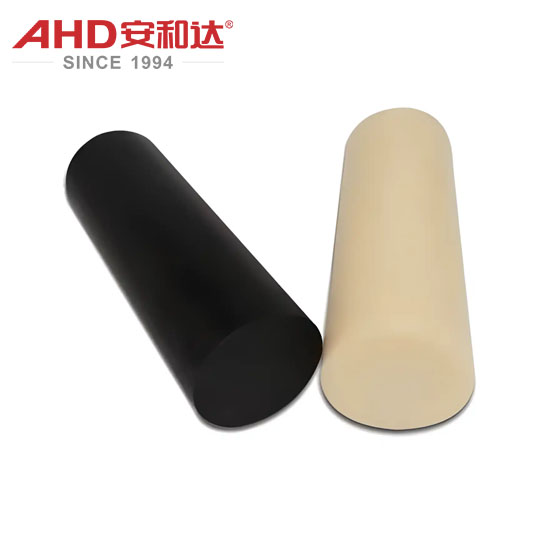
Ⅶ. Chemical Stability and Environmental Protection
Chemical Resistance:
ABS is resistant to water, dilute acids/alkalis, and salt solutions, but is not resistant to ketones (such as acetone), aldehydes (such as formaldehyde), chlorinated hydrocarbons (such as carbon tetrachloride), and aromatic hydrocarbons (such as benzene). Long-term exposure can cause swelling or stress cracking.
POM is more resistant to organic solvents (such as alcohols and hydrocarbons) than ABS, but is not resistant to strong acids (such as concentrated sulfuric acid), strong bases (such as concentrated sodium hydroxide), and oxidants (such as potassium permanganate). It easily reacts with polar solvents (such as dimethyl sulfoxide) at high temperatures.
Environmental Protection:
ABS produces black smoke and irritating gases (including hydrogen cyanide) when burned, requiring the addition of flame retardants (such as bromine-based and phosphorus-based flame retardants).
POM releases formaldehyde (toxic) when burned, and decomposition at high temperatures may produce irritating gases. Therefore, controlled processing temperature and ventilation are required.
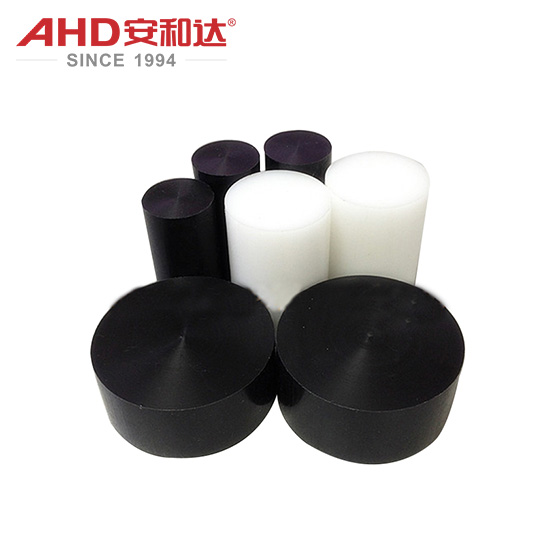
Summary: Core Differences and Selection Criteria
Choose ABS for applications requiring high impact toughness, easy processing/coloring, and high aesthetic requirements (such as appliance housings and toys).
Choose POM for applications requiring high rigidity, wear resistance, and dimensional accuracy (such as gears and precision transmission components).
In short, ABS is a comprehensive material that prioritizes toughness, while POM is a specialty engineering plastic that combines both rigidity and wear resistance. The two complement each other and together address the diverse needs of engineering plastics.