What is plastic PSU?
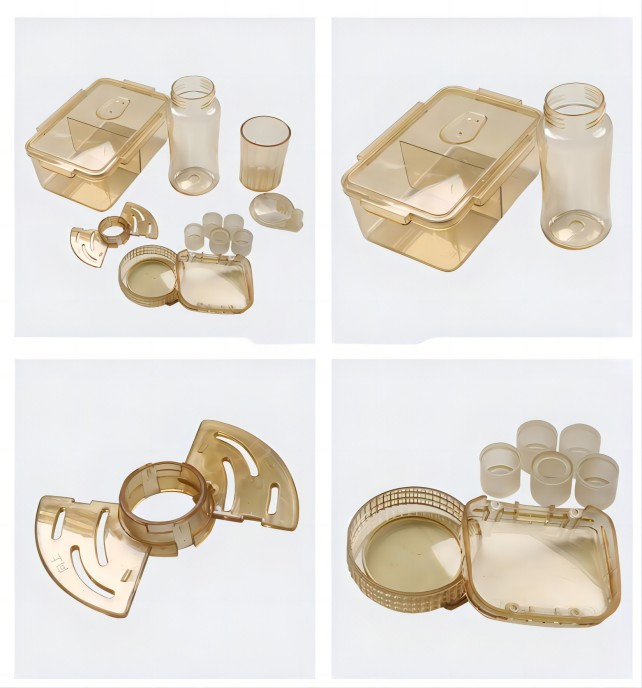
PSU (polysulfone) is a high-performance engineering plastic belonging to the polysulfone family (including PSU, PES polyethersulfone, and PPSU polyphenylsulfone). It is synthesized through the polycondensation reaction of bisphenol S and 4,4'-dichlorodiphenylsulfone. Its molecular structure contains stable sulfone groups (-SO₂-) and aromatic rings, giving it excellent overall properties. PSU is a transparent or translucent rigid plastic with a long-term operating temperature of 160-180°C and a higher short-term temperature resistance (approximately 200°C). It is currently one of the safest food-contact-grade engineering plastics.
Why is PSU so food-safe?
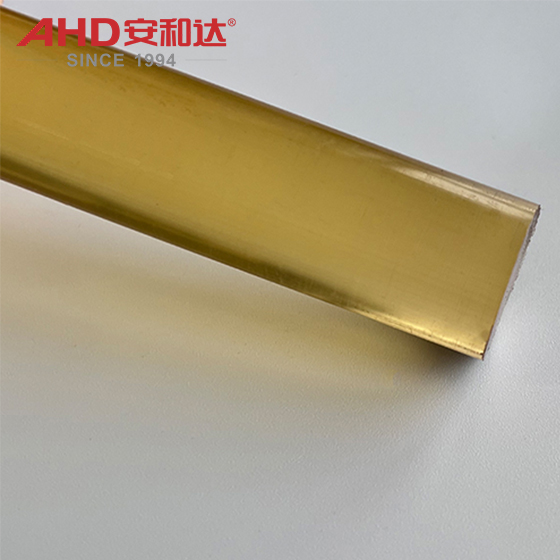
PSU's high food safety stems from its chemical inertness, low migration, and compliance with strict regulations. The reasons are as follows:
Non-toxic Substance Basis:
PSU's monomers (bisphenol S and dichlorodiphenyl sulfone) react completely during the polymerization process, leaving very low residues. The finished product contains no harmful additives such as plasticizers and stabilizers (or the additives themselves meet food-grade requirements), preventing chemical migration into food.
Stable Molecular Structure:
The sulfone groups and aromatic rings in the molecule form a highly conjugated structure, resulting in extremely stable chemical properties. It is resistant to acids, alkalis, oils, and organic solvents, and resists hydrolysis or decomposition at room temperature to high temperatures (even steam sterilization), minimizing the release of harmful degradation products.
Low Migration Verification:
PSU has passed internationally recognized food contact safety tests, demonstrating virtually no small molecule migration in simulated fluids (water, acid, and oil), meeting the "non-toxic" requirement.
PSU's Core Advantages
In addition to food safety, PSU offers the following performance advantages, making it irreplaceable in food contact applications:
Outstanding High-Temperature Resistance:
It can withstand long-term operating temperatures of 160-180°C and withstand repeated steam sterilization (e.g., autoclaving at 134°C), microwave heating (for short periods), and boiling water cooking, making it suitable for high-temperature food processing.
Excellent Mechanical Properties:
Its strong rigidity (tensile strength > 80 MPa) and impact resistance (notched impact strength > 60 kJ/m²) make it resistant to deformation or cracking, and its durability surpasses that of ordinary plastics (e.g., PC and PP).
High Transparency and Aesthetics:
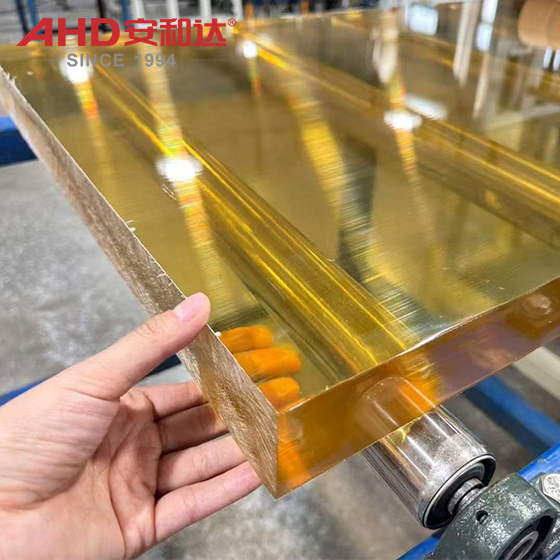
With a light transmittance of > 85% (close to glass), the product's clear appearance allows for easy viewing of the contents, making it suitable for high-end tableware or food packaging.
Chemical Resistance and Easy Cleaning:
It is resistant to grease, alcohol, detergents, and other chemicals. Its smooth surface resists stains and is easy to clean, reducing the risk of bacterial growth.
Biocompatibility:
Non-irritating, suitable for direct food contact, including some medical-grade food containers.
Specific Applications of PSU
Based on the above characteristics, PSU is widely used in food contact applications requiring high safety, high-temperature resistance, and durability:
1. Infant and Toddler Products
Baby Bottle/Breast Pump Components: An alternative to traditional PC or PP, they are heat-resistant (can be sterilized by boiling), BPA-free, and offer enhanced safety.
Baby Food Bowls/Teething Sticks: They are shatter-resistant (highly resilient), easy to clean, and prevent chemical migration and harm to infants.
2. Kitchen and Tableware
High-temperature-resistant tableware: Soup spoons, colanders, and stirring rods withstand direct contact with hot soup and hot oil without deformation or toxin release.
Coffee/Tea Equipment Components: Coffee Maker Filter Baskets, Tea Trays, and Steam Pipe Connectors withstand corrosion from boiling water and coffee oils.
3. Food Processing Industry
Processing Equipment Components: Pipes, valves, and gaskets. These come into contact with media such as juice, dairy products, and oils. They are corrosion-resistant and easy to sterilize.
Retorting/Sterilization Containers: Autoclave trays and food packaging sterilization racks. They withstand repeated high temperatures and high pressures without leaching harmful substances.
4. Medical and Specialty Applications
Dental Food Contact Devices: Bite plates and dental model trays. These require high-temperature sterilization and come into contact with saliva. PSU has excellent biocompatibility.
Airline/High-Speed Rail Lunch Boxes: They are drop-resistant and heat-resistant (for reheating in-flight meals). They meet aviation-grade safety standards.
Summary:
PSU, with its three core advantages—chemical stability, high temperature resistance, and non-toxic migration—has become a "safety benchmark" in the food contact industry. Its applications range from infant care to industrial settings. It is particularly irreplaceable in environments requiring high temperatures and high cleanliness, making it an ideal alternative to traditional plastics.