

What is PPSU?
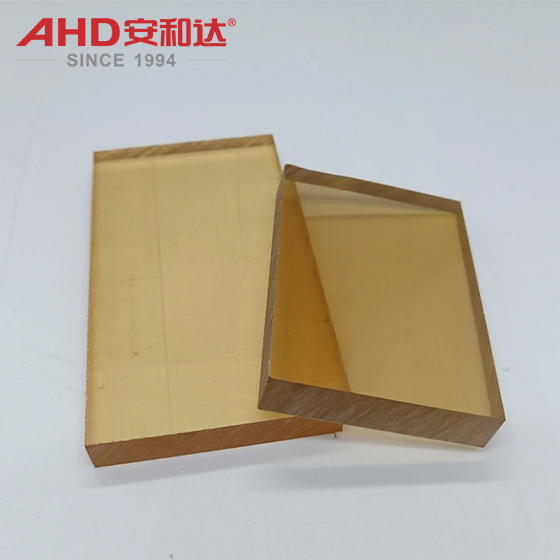
PPSU (polyphenylsulfone) is a high-performance specialty engineering plastic, a subclass of polysulfone (PSU) materials. It is produced through the polycondensation reaction of bisphenol S and 4,4'-dichlorodiphenylsulfone. Its molecular structure contains rigid sulfone groups (-SO₂-) and benzene rings, giving it excellent overall properties. PPSU was originally developed by Union Carbide (now a Solvay brand) in the United States. Under trade names such as Radel®, it is widely used in medical, food contact, and electronics applications.
Why is PPSU safe for use in baby bottles?
The core requirements for baby bottles are safety (no harmful leachate), high-temperature resistance (suitable for repeated sterilization), and durability (resistant to drops and aging). The key reasons why PPSU meets these requirements are as follows:
1. Bisphenol A-Free (BPA-Free), Highly Safe
Traditional PC (polycarbonate) baby bottles are being phased out due to the presence of bisphenol A (BPA), which may disrupt infant endocrine function. Although PPSU is synthesized using bisphenol S (BPS), its molecular structure is more stable, releasing virtually no BPS or other harmful substances at high temperatures or during prolonged use. Multiple toxicology tests have confirmed that PPSU's leachables meet safety standards for baby products, posing no risk of carcinogenesis or hormone disruption.
2. Ultra-High-Temperature Resistance, Suitable for Repeated Sterilization
PPSU has a glass transition temperature (Tg) of approximately 200°C, allowing it to withstand temperatures of 180°C for extended periods and over 200°C for short periods. This characteristic allows PPSU to easily withstand common sterilization methods for baby bottles:
Steam sterilization (100-120°C);
Boiling sterilization (100°C, some parents also use boiling water);
High-temperature steam sterilization (medical-grade 134°C).
After repeated sterilization, PPSU does not deform or release harmful substances, far exceeding the performance of PP (temperature resistance ≤ 100°C) or PES (temperature resistance approximately 180°C, but prone to yellowing after prolonged exposure to high temperatures).
3. Strong Chemical Stability and Corrosion Resistance
PPSU's molecular chain contains highly polar sulfone groups and benzene rings, making it extremely resistant to acids, alkalis, and organic solvents (such as alcohol and oils). During daily use, residual sugars and proteins from milk, as well as detergents (such as bottle cleaners), are less likely to corrode the material, preventing chemical migration into the milk.
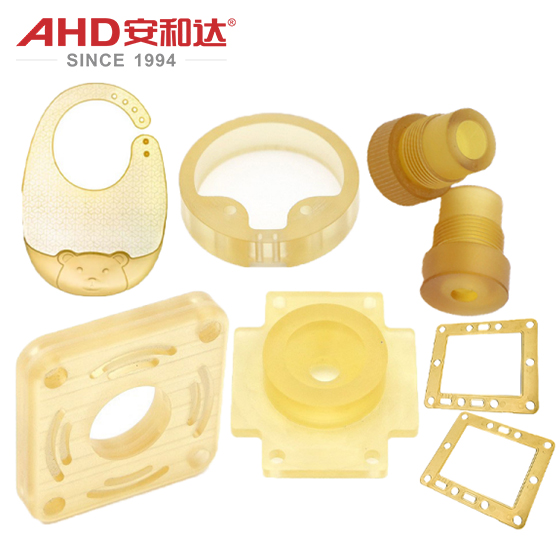
PPSU plastic products
Core Features and Advantages of PPSU Baby Bottles
In addition to safety, PPSU offers the following advantages as a baby bottle material:
1. Lightweight, drop-resistant, and durable
PPSU has a density of approximately 1.29g/cm³, making it 50% lighter than glass (2.5g/cm³) yet nearly as strong as glass, with impact resistance 2-3 times that of standard PC. Even a drop from a height of 1 meter will not break, making it suitable for infants and toddlers to handle independently.
2. High transparency for easy observation
PPSU has a light transmittance of approximately 85% (close to glass), resulting in a clear bottle free of impurities, making it easy for parents to monitor the amount of milk and the condition of the milk (e.g., for separation or sedimentation).
3. Aging resistance and long service life
PPSU is resistant to UV rays and oxidation, and is less likely to yellow or become brittle over time. In contrast, ordinary PC baby bottles tend to yellow due to high temperatures or sunlight, and PES baby bottles may even change color after about a year of use.
4. Smooth surface and easy to clean
PPSU has a low surface tension, making it less susceptible to milk stains and grease. It can be cleaned daily with clean water or a gentle rub with a bottle brush, reducing the risk of bacterial growth.
Specific Applications of PPSU
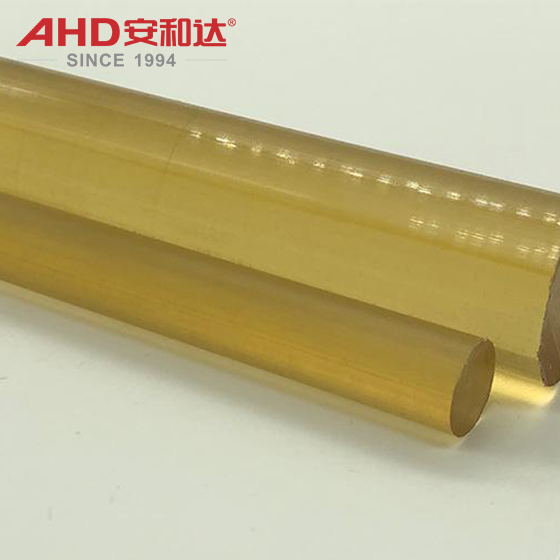
PPSU's high performance extends beyond baby bottles. It is widely used in the following applications:
1. Medical
Surgical instruments and sterilization equipment: such as dental tools and endoscope accessories, which can withstand repeated autoclave sterilization (134°C);
Medical catheters and IV bags: They offer excellent biocompatibility and are non-toxic, making them suitable for instruments exposed to long-term contact with human fluids;
Pharmaceutical equipment components: They are chemically resistant and suitable for use in pipelines used to store or deliver pharmaceutical solutions.
2. Food Contact Materials
High-end tableware and kitchenware: such as coffee makers and baby food maker components, which are heat-resistant and release no harmful substances;
Food processing equipment: such as seals and piping in milk/beverage sterilization equipment, which can withstand high-temperature steam sterilization.
3. Electronics and Industrial
Electronic connectors: They are resistant to high temperatures and chemical corrosion and are suitable for automotive and aerospace electronics.
Industrial membrane support layers: They offer high strength and temperature resistance and are used in high-temperature liquid filtration systems.
Summary
PPSU, with its BPA-free, ultra-high-temperature-resistant, drop-resistant, durable, and easy-to-clean properties, is an ideal material for baby bottles. Essentially a high-performance engineering plastic, it has passed rigorous safety certifications, ensuring both safety and practicality. Beyond baby bottles, PPSU's applications in the medical, food, and industrial sectors demonstrate its reliability in extreme environments. For parents, choosing PPSU bottles provides peace of mind for infants and young children, both in terms of high-temperature sterilization and the risk of bumps and dents during daily use.
