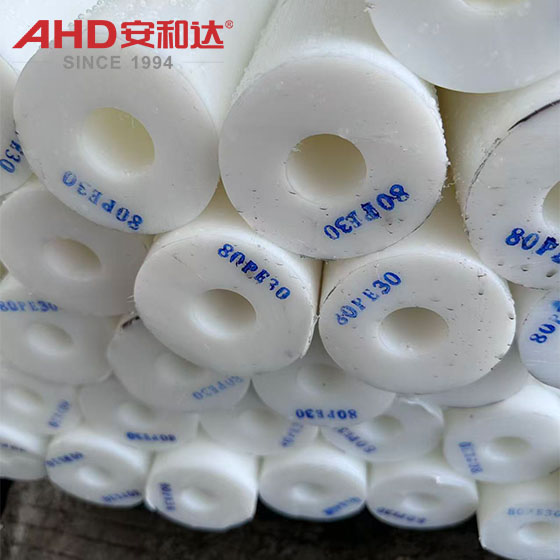
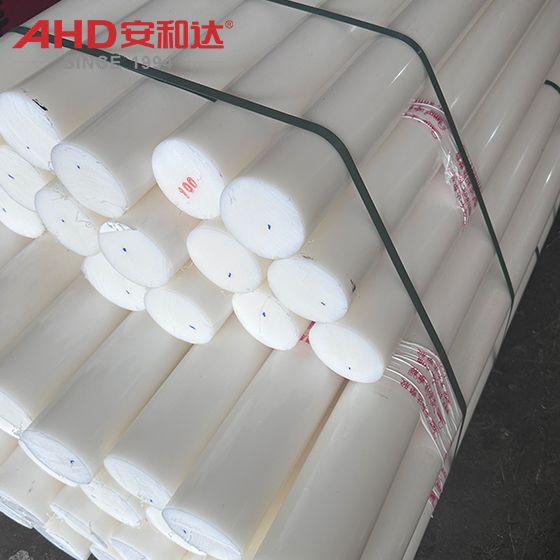
The HDPE (high-density polyethylene) plastic pipe and rod shown in the image is a highly crystalline, non-polar thermoplastic resin material with a wide range of applications. Specific uses and methods are as follows:
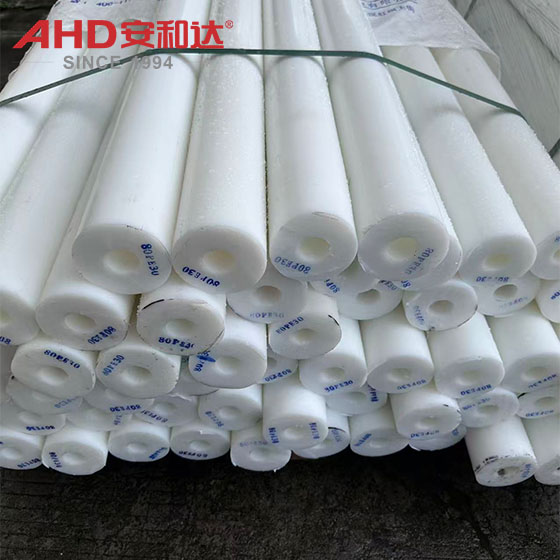
Mechanical Manufacturing
Applications: Commonly used in the manufacture of wear-resistant parts, sliding bearings, guide rails, and other components. For example, in mechanical transmission components operating in high-friction environments, parts made from HDPE plastic pipe and rod can reduce wear and extend service life.
Usage: HDPE plastic pipe and rod are processed into the desired shape through injection molding or machining (such as turning and milling), and then installed into the corresponding machinery and equipment.
Chemical Equipment
Applications: Used in the manufacture of corrosion-resistant pipes, valves, pump bodies, and other components. Chemical production often requires the transport of various corrosive chemicals, and components made from HDPE plastic pipe and rods can operate reliably in such environments.
Usage: When manufacturing pipes, pipes and rods can be joined together through methods such as butt fusion or electrofusion to create piping systems of desired lengths and shapes. The manufacture of valves, pump bodies, and other components requires a combination of injection molding and compression molding, followed by assembly.
Food Processing
Applications: Used in the manufacture of food processing equipment, containers, and pipeline components. Its non-toxic, odorless, and easy-to-clean properties ensure safety and hygiene during food processing.
Usages: HDPE plastic pipe and rods can be processed into food pipelines, food containers, food machinery components, and other components through extrusion and other processes for installation in food processing lines.
Electronic and Electrical Appliances
Applications: Commonly used in the manufacture of insulation materials, wire and cable sheathing, and other components. Its excellent insulation properties and aging resistance ensure the proper operation and service life of electronic and electrical equipment.
Usage: HDPE plastic tubes and rods are processed into insulating parts of the required shape through extrusion and other processes, or directly covered on the surface of wires and cables as sheaths and installed during the assembly process of electronic and electrical equipment.
Sports Equipment
Applications: Used in the manufacture of equipment such as skis, skateboards, and ice hockey sticks. Its lightweight, high-strength, and impact-resistant properties meet athletes' performance requirements while reducing weight.
Usage: HDPE plastic tubes and rods are processed into various components for sports equipment through a combination of molding, cutting, and polishing processes, and then assembled.
Gas, water supply, drainage, and other pipeline transportation applications
Larger HDPE pipes are used for transportation.
Applications: Ideal as water supply pipes in water supply systems; used for sewage and rainwater disposal in drainage and wastewater treatment; and as pipelines in gas transmission systems. They can also be used for drip irrigation in agriculture, field irrigation systems, and for transporting chemicals and slurries in industry.
Usage: Based on project requirements, HDPE plastic pipe rods are connected to pipes of appropriate length and diameter using methods such as hot-melt or electric-melt connections. These pipes are then installed and laid into the corresponding piping system using appropriate fittings (such as elbows, tees, and straight connectors). During installation, adhere to relevant engineering specifications and standards.
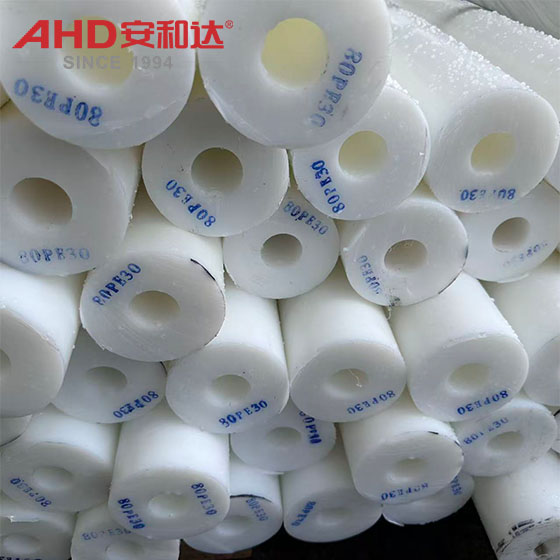
Core Processing Methods
Thick-wall HDPE pipes are primarily transformed into functional parts through the following processes:
Machining: Turning, drilling, milling, cutting, etc. to achieve precise dimensions.
Thermoforming: Hot bending and hot pressing to form complex curved surfaces (such as elbows and reducers).
Welding/Fusion: Butt fusion and socket welding to join large structures.
Compound Processing: Joining with other materials (such as metal inserts).
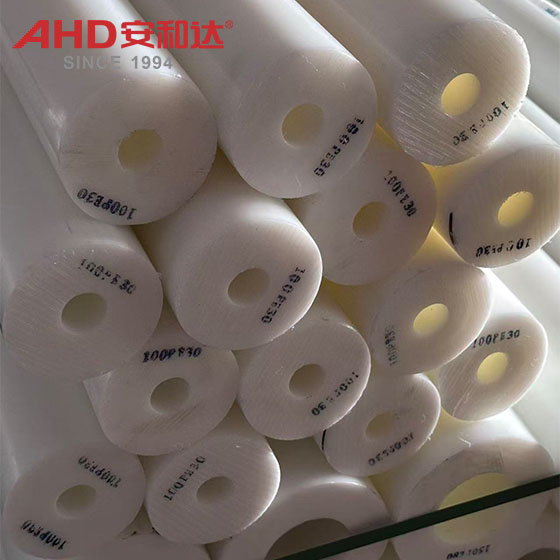
Physical Properties and Advantages
High Strength and Rigidity: HDPE's high density gives it exceptional strength and rigidity. Compared to some other types of polyethylene, such as low-density polyethylene (LDPE), HDPE is less prone to deformation and can withstand greater external forces. For example, when manufacturing plastic pipes for underground drainage and gas transmission, it can withstand the pressure of the surrounding soil without easily damaging, ensuring long-term and stable operation of the pipes.
Excellent Wear Resistance: Its high surface hardness provides excellent wear resistance. In machinery manufacturing, HDPE can be used to manufacture wear-resistant parts such as bearings and guide rails, effectively reducing friction loss, extending component life, and lowering equipment maintenance costs.
Excellent Low-Temperature Resistance: Even in low-temperature environments, HDPE maintains excellent flexibility and mechanical properties, making it less susceptible to brittle cracking. For example, in cold regions, outdoor pipes and containers made of HDPE can function normally at low temperatures, ensuring the proper functioning of fluid transport.
Low water absorption: HDPE absorbs almost no water, which means that its performance will not deteriorate due to water absorption in humid environments or applications in contact with water. When used in scenarios such as underwater pipes and aquaculture facilities, it can maintain stable performance for a long time.
Chemical Properties and Advantages
Strong Chemical Resistance: HDPE exhibits excellent resistance to most chemicals, including acids, alkalis, and saline solutions. In the chemical, food, and pharmaceutical industries, it is used in containers and pipes for storing and transporting various chemical media, effectively resisting chemical corrosion, ensuring the purity of the media and the safe operation of the equipment.
Good Weather Resistance: Through proper formulation and additive modification, HDPE can achieve excellent weather resistance. When exposed to natural factors such as UV rays, oxygen, and rain over long periods of time, it resists aging and degradation, extending the lifespan of products such as outdoor trash cans and plastic fencing.
Processing Properties and Advantages
Easy Molding: HDPE has excellent thermoplastic properties and can be processed using a variety of molding processes, such as injection molding, extrusion, and blow molding. This allows it to be manufactured into plastic products of various shapes and sizes, meeting the diverse needs of different industries. From tiny plastic parts to large plastic containers, it can be produced using the appropriate molding processes.
High processing efficiency: Due to its good melt fluidity, it can quickly fill the mold cavity or pass through the extruder die during the processing process. The molding cycle is relatively short, which can achieve large-scale, high-efficiency production and reduce production costs.
Other Advantages
Environmental Protection and Recyclability: HDPE is a recyclable plastic material that can be processed into plastic products after recycling, promoting resource recycling and reducing environmental pollution.
Hygiene and Safety: HDPE is non-toxic and odorless, meeting food hygiene and safety standards. It can be used in food packaging, food processing equipment, and drinking water pipelines, ensuring the safety of food and drinking water.
Cost Advantage: HDPE has mature production technology and a wide range of raw material sources. Compared to other high-performance engineering plastics, it is relatively inexpensive and offers a high cost-performance ratio, making it widely used in many fields.