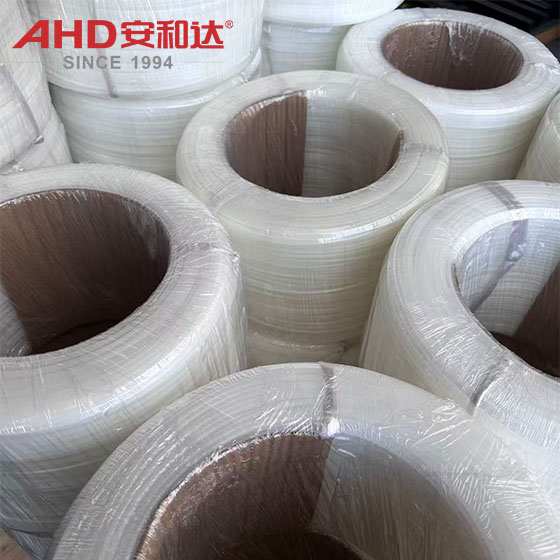
PE welding rods (Polyethylene welding rods) are consumables specifically designed for welding polyethylene (PE) materials. They are typically made from a polyethylene resin that is the same material as or compatible with the base material. They are used to connect polyethylene sheet, pipes, or other products through hot melt processes (such as hot air welding and extrusion welding), creating high-strength, airtight joints. They are widely used in plastic storage tanks, chemical containers, waterproof membranes (such as HDPE anti-seepage membranes), water pipeline networks, and other fields.
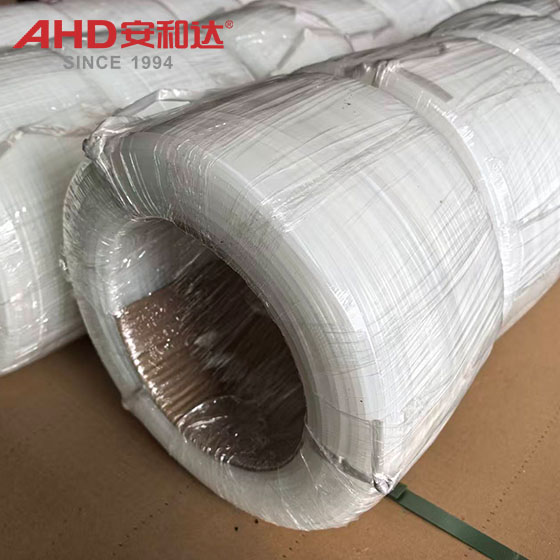
Ⅰ. Features and Advantages
The core properties of PE welding rods are closely related to the molecular structure and physical properties of their base material (polyethylene). Key advantages are as follows:
1. High Compatibility and Compatibility
The chemical composition, melting point (approximately 120-135°C), and molecular structure of PE base materials (such as LDPE, HDPE, and LLDPE) are highly consistent, resulting in a tight interface bond after welding, preventing delamination or fracture caused by material differences.
2. Excellent Weld Strength
The welded joint strength can approach or even reach 80%-95% of the parent material (depending on the process), meeting the requirements of most load-bearing or stress-bearing applications (such as storage tanks and pipelines).
3. Chemical and Weather Resistance
Inheriting the inherent properties of PE, it is resistant to corrosion by chemical media such as acids, alkalis, and salts, and is resistant to UV aging (requires welding rods with anti-aging agents), making it suitable for long-term use in outdoor and harsh environments.
4. Highly adaptable operation
Compatible with a variety of welding processes (hot air welding, extrusion welding, hot wedge welding, etc.), it allows for the selection of welding rods with different diameters (commonly 2-4mm) based on workpiece thickness and shape, providing high flexibility.
5. Cost and efficiency advantages
Compared to other plastic welding materials, PE welding rods are less expensive and require no complex equipment (a basic hot air gun is sufficient), making them suitable for large-scale construction or repairs.
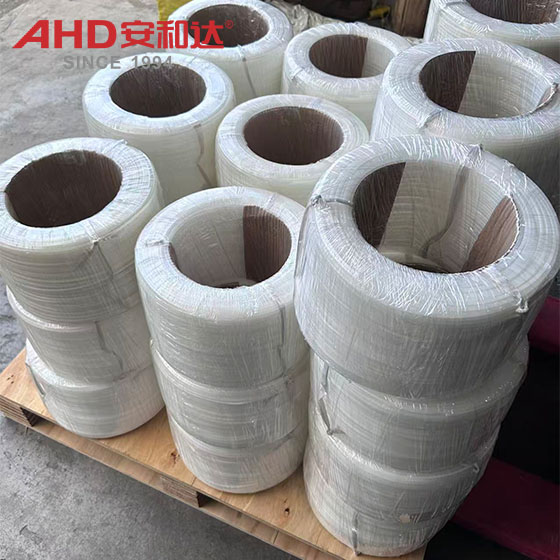
Ⅱ.Usage
The use of PE welding rods depends on the specific welding process. The following general steps are provided (using the most common hot air welding as an example):
1. Tool and Material Preparation
Tools: Hot air gun (adjustable temperature, 200-350°C recommended), pressure roller (or pressure wheel), cleaning brush, and sandpaper (optional).
Materials: PE welding rod (same material as the base material), PE workpiece to be welded (clean and dry).
2. Surface Preparation
Remove oil, dust, and moisture from the area to be welded (use alcohol or acetone to wipe to prevent residue).
If the surface is oxidized or scratched, lightly sand with fine sandpaper to roughen it (to enhance fusion adhesion), then remove any debris.
3. Equipment Adjustment
Hot air gun temperature setting: 250-300°C is recommended for HDPE, and 200-250°C is recommended for LDPE (refer to the rod manufacturer's specifications for specific settings).
Set the air speed to medium-low to prevent the rod from being blown away or cooling too quickly.
4. Welding Operation
Hold the hot air gun at the weld seam and preheat the base material until it is molten (shiny and slightly tacky).
Place the welding rod perpendicular to the weld seam and feed it into the hot air zone at a constant speed of 3-5 cm/minute to melt both the rod and the base material simultaneously.
Once the molten rod and base material have fused, immediately press the weld seam with a pressure roller to expel air bubbles and compact the weld.
Maintain a stable angle (approximately 45° between the rod and the workpiece) and speed during welding to avoid breakage and buildup.
5. Cooling and Inspection
After welding, allow the weld to cool naturally (avoid movement or stress). The cooling time is approximately 10-20 minutes (depending on thickness).
Inspect the weld seam for cracks and pores. Gently pry it open manually to ensure it is not loose. Perform a leak test (such as a water pressure or vacuum test) if necessary.
Ⅲ. Key Points
Material Matching: The welding rod must match the base PE type (HDPE/LDPE, etc.). Otherwise, differences in melting point or shrinkage may result in joint failure.
Surface Cleanliness: Oil and dust can cause "cold welds" and require thorough cleaning (use a dedicated degreaser if necessary).
Temperature Control: Too low a temperature will result in incomplete fusion; too high a temperature will result in PE decomposition (emission of black smoke and bubbles). Strictly follow the manufacturer's recommended settings.
Operating Speed: Too fast a temperature will result in insufficient penetration; too slow a temperature will result in overheating and decomposition. Maintain a constant speed (3-5 cm/minute is ideal).
Environmental Protection: Avoid welding in windy, humid, or low-temperature environments (<5°C), as this may affect weld pool stability. Operators must wear gloves and goggles to avoid burns and inhalation of decomposition gases.
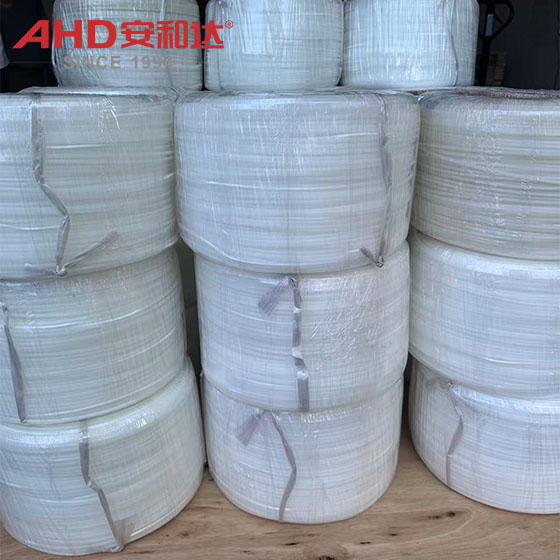
Storage Conditions: Welding rods should be stored in a cool, dry place (<30°C), away from direct sunlight and high temperatures that may cause aging.
Summary
PE welding rods are specialized consumables for joining PE materials. Their high compatibility, strength, and ease of use have made them a core material in the plastic welding industry. Proper use requires careful attention to key aspects such as material matching, surface treatment, and temperature control to ensure long-term, reliable welds.