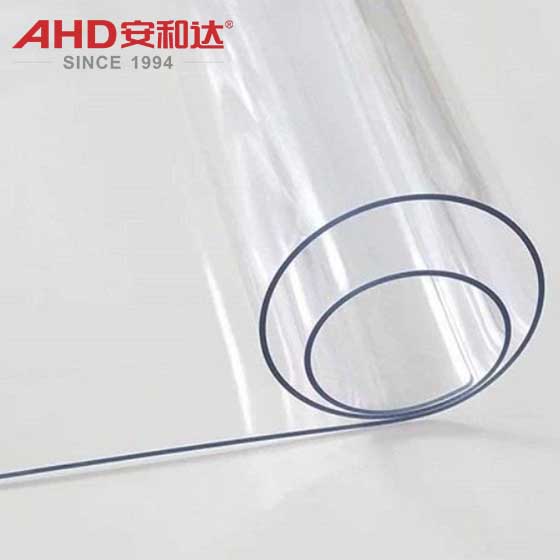
Definition and Structural Basics
PVC is the base resin, U-PVC is the "unplasticized hard version" of PVC, and C-PVC is the "chlorinated modified upgraded version" of PVC.
All three are based on polyvinyl chloride (PVC) resin, but through different process modifications, their performance and application scenarios differ significantly:
| Material | Full Name | Nature and Modification Methods | Chlorine Content |
|
PVC
|
Polyvinyl Chloride | A base resin formed by polymerizing vinyl chloride monomer. Depending on whether plasticizers are added, it is classified as soft PVC (containing plasticizers) and rigid PVC (unplasticized, also known as U-PVC). | Original chlorine content ≈56-58% |
| UPVC | Unplasticized PVC | Hard PVC: Made directly from PVC resin without the addition of plasticizers, also known as "hard PVC." | Chlorine content ≈56-58% (same as PVC) |
| CPVC | Chlorinated PVC | Chlorinated PVC: Through a chlorine/sodium hypochlorite reaction, the chlorine content of the PVC molecular chain is increased from 56-58% to 63-69%, optimizing performance. | Chlorine content ≈ 63-69% (higher) |
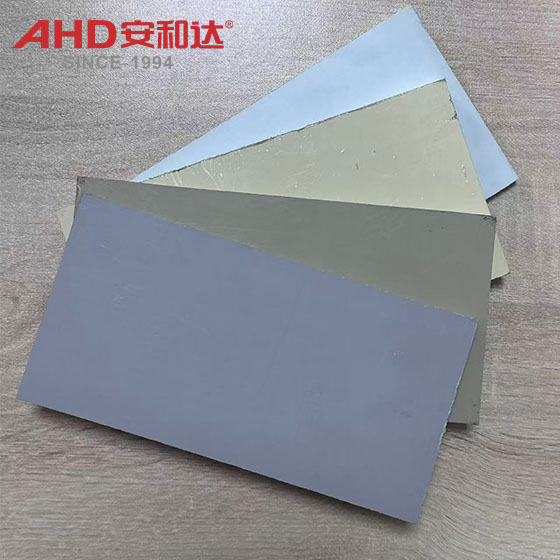
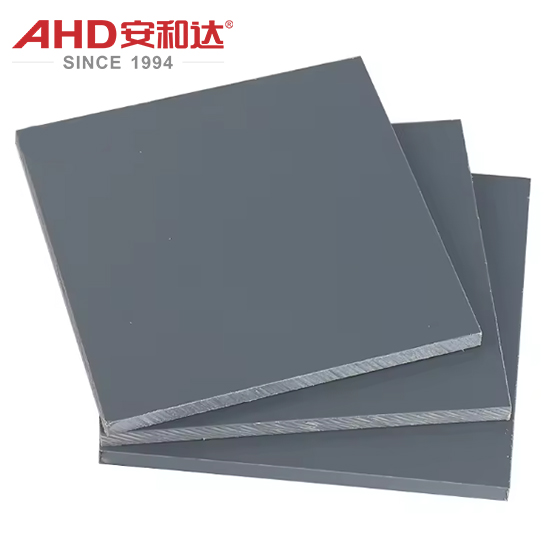
AHD PVC Sheet
Core Property Differences
The physical and chemical properties of the three differ due to their structures and modification methods, focusing on heat resistance, strength, and chemical resistance:
1. Heat Resistance
PVC (soft): Due to the presence of large amounts of plasticizers, heat resistance is extremely poor, with a Vicat softening temperature of approximately 50-70°C. It is prone to deformation and release of harmful substances at high temperatures.
U-PVC: Unplasticized, rigid structure with a Vicat softening temperature of approximately 70-80°C and a long-term operating temperature of ≤60°C (higher temperatures lead to slow deformation).
C-PVC: Chlorination results in tighter molecular chains, a Vicat softening temperature of ≥95°C, and a long-term operating temperature of ≤95°C (some products can reach 100°C). Its high-temperature resistance is significantly superior to the previous two.
2. Mechanical Strength
PVC (soft): Plasticizers reduce rigidity, resulting in softness and good elasticity, but low tensile strength and easy tearing. U-PVC: Unplasticized, rigid structure with high hardness and a tensile strength of approximately 40-50 MPa, but average creep resistance (long-term load deformation capacity).
C-PVC: Chlorination modification enhances intermolecular forces, resulting in higher tensile strength than U-PVC and superior creep resistance and high-pressure resistance.
3. Chemical Resistance
PVC (soft): Plasticizers are easily swollen by solvents, resulting in poor chemical resistance and poor resistance to strong acids, alkalis, and organic solvents.
U-PVC: No plasticizer interference, resistant to most acids and alkalis, but not strong oxidizing acids and polar solvents.
C-PVC: High chlorine content enhances polarity, resulting in the most outstanding chemical resistance, and can withstand highly corrosive media such as sodium hypochlorite, concentrated nitric acid, and saline solutions (preferred in the chemical industry).
4. Processing and Cost
PVC (soft): Requires the addition of a large amount of plasticizers, low processing temperatures (150-180°C), and low cost.
U-PVC: No plasticizers are required, processing temperatures are moderate (160-190°C), and the cost is slightly higher than soft PVC.
C-PVC: The chlorination process is complex, requiring a high-temperature chlorination reaction, and the processing temperature is higher (180-210°C), resulting in a higher cost than U-PVC. 5. Hygiene and Environmental Protection
PVC (soft): Contains a large amount of phthalate plasticizers, which can easily leach toxic substances and is prohibited for use in drinking water and food contact applications.
U-PVC: Conventional-grade PVC contains lead salt stabilizers (which may leach lead); special lead-free formulations are required for drinking water use.
C-PVC: Easy to achieve lead-free formulations, with a stable molecular structure and no harmful leachable substances, is widely used in drinking water pipes.

Differences in Application Areas
Due to their performance tailored to different scenarios, the three products have almost no overlap in application areas:
| Application Scenarios | Product Examples | |
| PVC (soft) | Requires flexibility, low cost, and non-load-bearing applications requiring heat and chemical resistance. | Wire and cable sheaths, films, artificial leather, toy casings, and packaging films. |
| U-PVC | For general low-temperature, low-pressure, and non-corrosive environments, focusing on low cost and rigidity. | Building drainage/rainwater pipes, cold water supply pipes (≤45°C), plastic door and window profiles, and electrical conduit. |
| C-PVC | Especially designed for high-temperature, high-pressure, severe-corrosion, or high-hygiene applications, focusing on performance upgrades. | Industrial hot water pipes (95°C long-term), chemical corrosive fluid transportation, high-pressure water supply pipes, and drinking water pipes. |
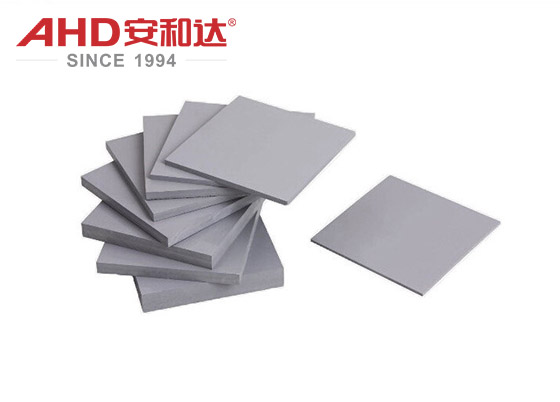
AHD PVC Plate
Summary: The Relationship and Core Differences Between the Three
Hierarchical Relationship: PVC is the base resin, U-PVC is the "unplasticized rigid version" of PVC, and C-PVC is the "chlorinated, modified, upgraded version" of PVC.
Core Differences:
U-PVC vs. PVC: U-PVC is a rigid subtype of PVC that removes plasticizers, addressing the deformation and unsanitary properties of soft PVC and focusing on rigid structural components.
C-PVC vs. U-PVC: C-PVC increases its chlorine content through chlorination, addressing U-PVC's heat resistance, corrosion resistance, and insufficient strength, making it suitable for more demanding applications.
Choices:
Conventional drainage/cold water/low-cost structural components → U-PVC;
High-temperature hot water/industrial corrosion/drinking water → C-PVC;
Flexible film/wire sheathing → soft PVC.
AHD Soft Clear UPVC Sheet