

Ⅰ. Definition
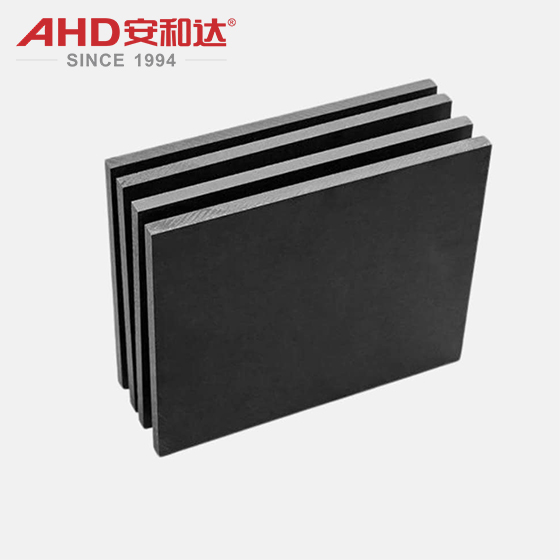
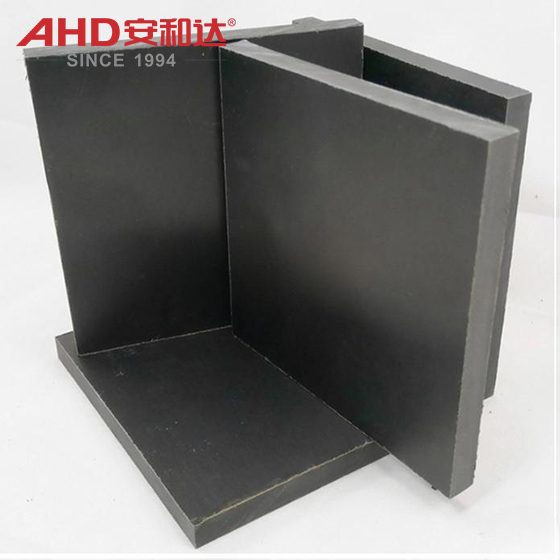
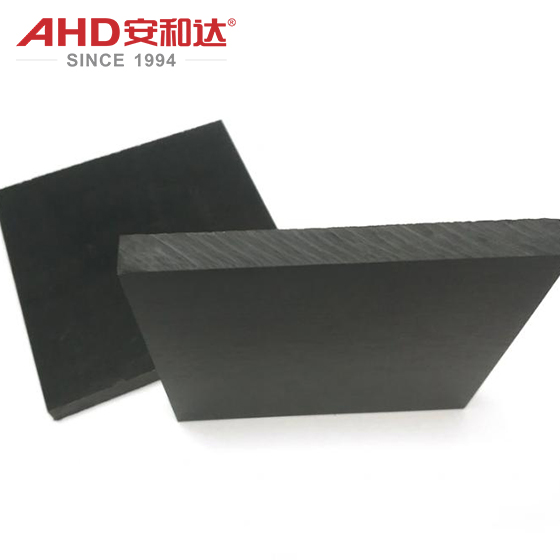
ESD Bakelite Sheet is a phenolic resin sheet with anti-static properties. It combines the excellent physical and chemical properties of traditional phenolic resin (Bakelite) with anti-static (ESD) performance. By adding anti-static fillers (such as carbon black, conductive fibers, or a conductive coating) to the phenolic resin, the surface resistivity of the material is reduced, enabling it to control the accumulation and release of static electricity. It is primarily used in applications requiring anti-static protection.
Ⅱ. Core Characteristics
ESD Bakelite Sheet's properties can be divided into two parts: basic performance (derived from phenolic resin) and antistatic properties:
Antistatic Performance
Surface Resistivity: Typically controlled between 106 ~ 1011 Ω(meets ESD protection standards), effectively dissipating static charge and preventing static buildup.
Static Decay Time: As short as a few seconds to a few minutes, rapidly dissipating static electricity, reducing the risk of damage to sensitive electronic components.
Basic Performance (Inherent Advantages of Phenolic Resin)
High-Temperature Resistance: Long-term operating temperatures can reach 120–150°C (some modified products offer even higher temperature resistance), and short-term temperature resistance exceeds 200°C, far exceeding that of ordinary plastics (such as ABS and PC).
High Mechanical Strength: High hardness, moderate impact resistance, and resistance to friction and wear, resulting in a long service life.
Chemical Corrosion Resistance: Resistant to acids, alkalis, and organic solvents (such as alcohol and acetone), it is not easily corroded by most chemical reagents.
Electrical Insulation: High volume resistivity (1012 ∼1014 Ω⋅cm), maintaining excellent insulation properties while maintaining antistatic properties.
Low Hygroscopicity: Water absorption <0.5%, excellent dimensional stability, and minimal performance fluctuation in humid environments.
III. Key Advantages
ESD Bakelite Sheet's core competitiveness lies in its combined advantages of "anti-static + high performance," specifically:
Strong adaptability to electronic protection scenarios: It meets the processing and storage requirements of ESD-sensitive components (such as IC chips and PCBs) while operating stably in high-temperature, humid, and chemical environments (such as SMT workshops and semiconductor cleanrooms).
High durability: Compared to ordinary anti-static plastics, the phenolic resin base material is more scratch-resistant and aging-resistant, and its anti-static performance degrades less after long-term use.
Cost-effectiveness: It is lighter and easier to process than metal anti-static sheet, and does not require additional grounding (in some applications).
IV. Application Scenarios and Usage
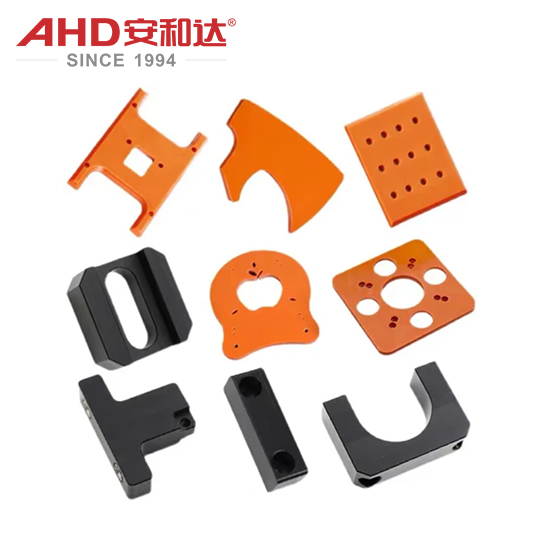
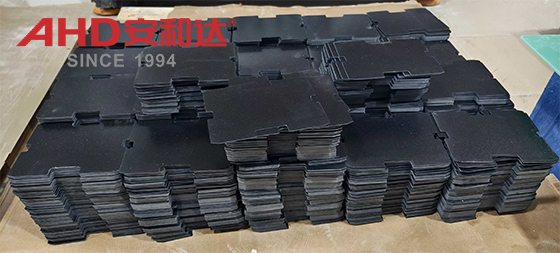
ESD Bakelite Sheet can be processed through cutting, drilling, CNC engraving, and hot pressing processes, and is widely used in the following fields:
Electronics Manufacturing and Semiconductors
Making anti-static work mats, material trays, and carriers to prevent static damage to components during handling and processing.
Used as equipment casings or linings to provide a localized anti-static environment.
Laboratory and Precision Instruments
Used as laboratory benchtops and sample racks to prevent static interference with experimental results.
Used as instrument operation panels, providing both anti-static and chemical resistance.
Industrial and Aerospace
Used as anti-static components for high-temperature environments.
Used as lightweight, highly reliable anti-static structural components.
Ⅴ. Precautions
When using ESD Bakelite Sheet, pay attention to the following points to ensure stable performance and longevity:
Storage Environment
Store in a dry, ventilated area (humidity 40%-60%). Avoid prolonged exposure to high humidity or high temperatures (>60°C) to prevent degradation of the antistatic coating or deformation of the material.
Keep away from strong oxidizers or corrosive gases (such as concentrated sulfuric acid or chlorine) to prevent corrosion of the substrate.
Processing and Use
Use antistatic tools during processing to prevent static electricity from mechanical friction and damage to the material or workpiece.
Avoid violent collisions with sharp objects to prevent the surface antistatic coating (if present) from detaching and causing localized increases in resistivity.
Maintenance and Inspection
Use a neutral detergent for regular cleaning. Avoid strong solvents to prevent dissolution of the conductive surface layer.
Test the surface resistivity (using an ESD tester) every 6-12 months. If it exceeds 1011 Ω, reprocess or replace the sheet.
Design Compatibility
For large-sized panels, it is recommended to reserve grounding holes (if additional grounding is required) or use them in conjunction with other anti-static systems (such as floor coverings or wrist straps) to enhance overall protection.
Summary
ESD Bakelite Sheet perfectly combines anti-static requirements with high-performance phenolic resin, making it particularly suitable for applications requiring comprehensive anti-static, high-temperature resistance, and durability. Proper use and maintenance can fully utilize its advantages, protecting sensitive electronic components and reducing long-term costs.