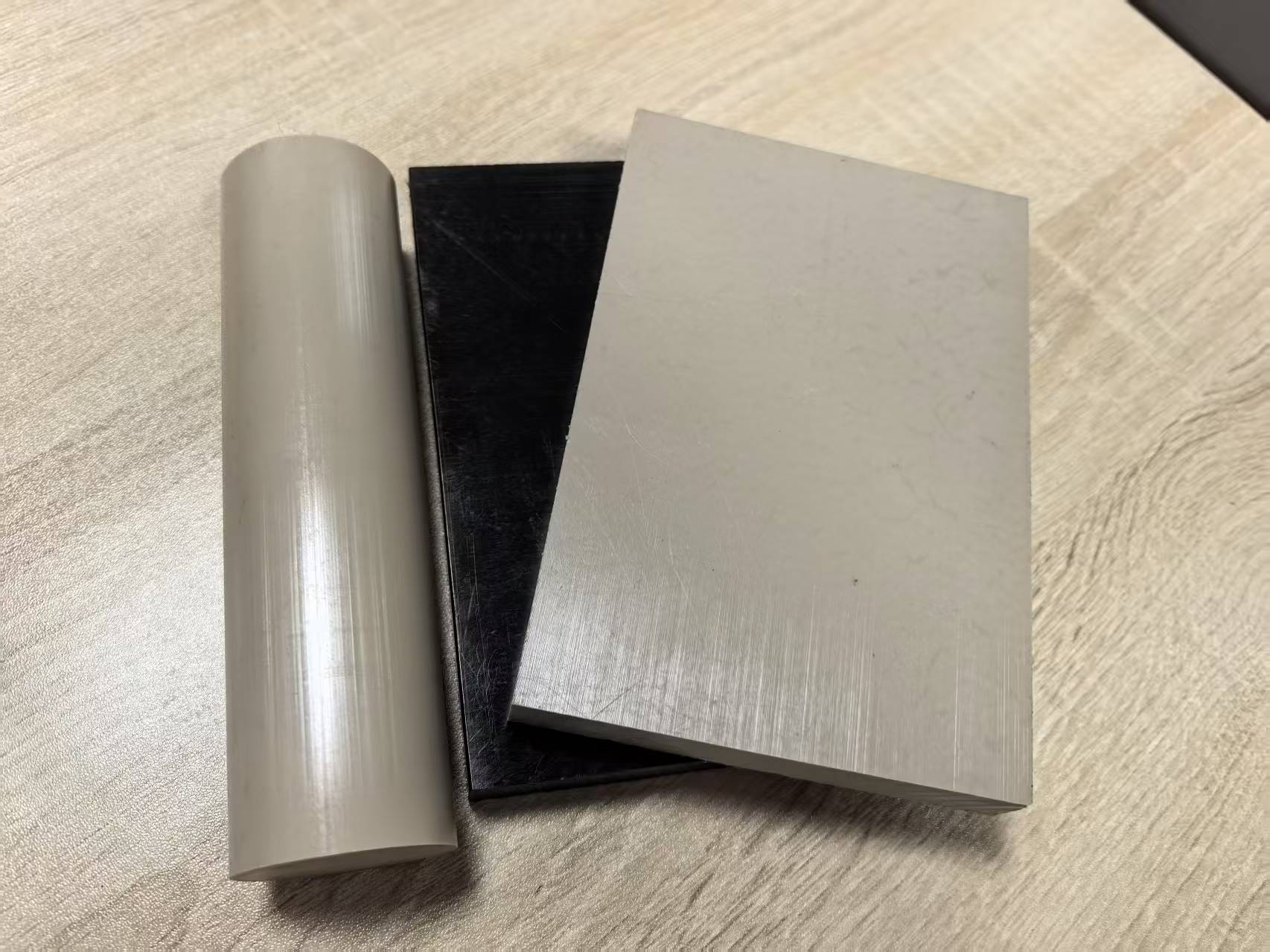
1mm thick PEEK sheets (Polyetheretherketone Sheet) are lightweight yet high-performance materials, combining the inherent high-temperature resistance, chemical corrosion resistance, high strength, low friction, and biocompatibility of PEEK. They are widely used in applications requiring space, weight, or precision, and must withstand harsh environments. Typical applications and specific uses are as follows:
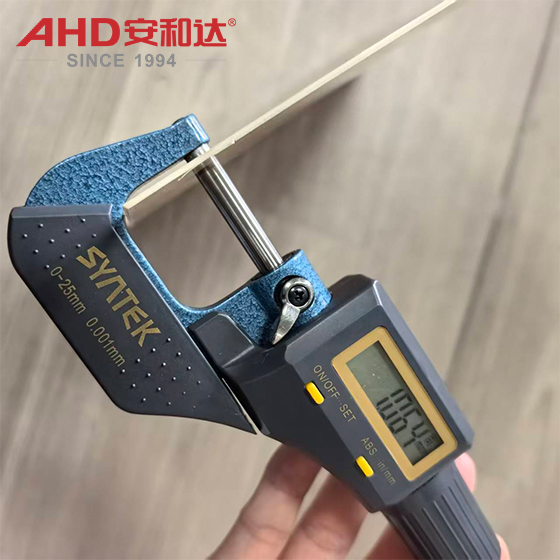
AHD 1mm PEEK Plate
1. Industrial Manufacturing and Precision Machinery
PEEK's wear resistance, creep resistance, and chemical resistance make it a common industrial substitute for thin-walled components made from metal or traditional plastics:
Seals and Gaskets: As auxiliary gaskets for mechanical seals, flange gaskets, or oil-resistant gaskets for hydraulic systems. A 1mm thickness allows for tight sealing gaps while withstanding high temperatures (long-term 250°C) and highly corrosive media (such as acids, alkalis, and steam).
Wear-Resistant Functional Components: Thin reinforcing layers for guide rail blocks, bearing cages, or gear bushings. Its thin profile reduces movement resistance and extends component life (lower coefficient of friction and better self-lubricating properties compared to metals).
Jigs and Fixtures: As locating plates, support blocks, or sensor mounts for precision machining fixtures. A 1mm thickness facilitates quick clamping and is resistant to machine tool oils and cutting fluid corrosion.

2. Medical and Biotechnology
PEEK's biocompatibility (non-toxic, non-allergenic) and X-ray permeability (does not interfere with medical imaging) make it highly favored in the medical field. 1mm thin plates are commonly used for:
Surgical instrument components: such as flexible forceps supports for laparoscopes/endoscopes, and anti-slip layers for surgical tool handles. The thinness does not affect instrument flexibility, while it withstands repeated autoclaving (withstanding 134°C sterilization cycles).
Implant auxiliary structures: as a surface covering layer for bone screws/plates (requires composite with other biomaterials), or as temporary fixation clips for dental implants. A 1mm thickness reduces the overall implant volume and lowers the risk of rejection.
Medical device housings/partitions: non-magnetic interior panels for MRI equipment, or reagent compartment partitions for in vitro diagnostic instruments. It is resistant to chemical disinfection (such as alcohol, glutaraldehyde) and does not interfere with device signals.

3. Electronics and Semiconductors
PEEK's low dielectric constant (approximately 3), low loss factor, and temperature resistance make it suitable for high-frequency, high-precision applications in electronics:
Insulation and Protective Pads: Used as insulating pads in semiconductor wafer jigs and as buffer layers between PCBs and heat sinks. A 1mm thickness allows for precise spacing control, while also withstanding plasma etching or high-temperature reflow soldering (short-term resistance to 310℃).
Flexible Printed Circuit (FPC) Support Components: Used as reinforcing plates for FPCs in foldable phones or wearable devices. PEEK's flexibility (bends up to 90° without cracking) and thin design capabilities match the flexibility requirements.
High-Frequency Equipment Components: Such as insulating spacers for 5G base station filters and radome liners for radar antennas. Low dielectric loss reduces signal attenuation, and weather resistance is superior to traditional plastics.

4. Aerospace and Defense
Lightweight design and resistance to extreme environments are core requirements for aerospace. 1mm PEEK Board is used for:
Lightweight structural components: As brackets, cable clips, or sensor mounts in aircraft interiors. They reduce weight by approximately 40% compared to aluminum alloys, while remaining resistant to high-altitude low temperatures (-50°C) and radiation.
Connector gaskets: Used in circular connectors for avionics equipment. The 1mm thickness accommodates high-density interfaces and is resistant to fuel and hydraulic fluid corrosion.
Satellite/rocket components: As small thermal insulation pads or vibration damping sheets for onboard instruments. Their thin and lightweight nature saves launch payload and withstands the severe vibrations and temperature differences during launch.
5. Automotive and New Energy Vehicles
In the trend of automotive electrification and high-temperature operation, 1mm PEEK sheet is used for:
New Energy Vehicle Battery Components: As heat-insulating sheets for battery pack cells and insulating pads for high-voltage connectors. Resistant to electrolyte corrosion (such as carbonate solvents), and lightweight design helps improve driving range.
Engine Peripheral Components: Replacing metal gaskets in turbocharger bypass valves and EGR (Exhaust Gas Recirculation) system seals, resistant to temperatures above 300℃ and oil penetration.
Precision Transmission Components: Such as solenoid valve spacers in automatic transmissions and wear-resistant bushings in electric power steering (EPS) systems. Low friction characteristics reduce energy consumption and extend maintenance intervals.

Key Advantages of Choosing 1mm PEEK Plastic Sheet
Lightweight: Density is only 1.3g/cm³ (approximately 1/2 that of aluminum and 1/5 that of steel), suitable for weight-sensitive applications.
High Performance Retained: Despite its thinness, it maintains high mechanical strength (tensile strength approximately 90MPa), and its temperature resistance (long-term 250℃) and chemical resistance are not reduced due to its thickness. Easy to process: Can be laser cut, CNC milled or stamped into complex shapes, suitable for precision assembly needs.
In summary, 1mm thick PEEK sheets are a typical material for "high performance + lightweight and thinness," and are irreplaceable, especially in precision fields where space, weight, and environmental resistance are all important considerations. In practical applications, it is necessary to negotiate the resin grade (such as pure PEEK or modified PEEK filled with carbon fiber/glass fiber) with the supplier to optimize performance based on specific working conditions (such as temperature, corrosive media, and mechanical stress).
AHD PEEK Rod and Sheet