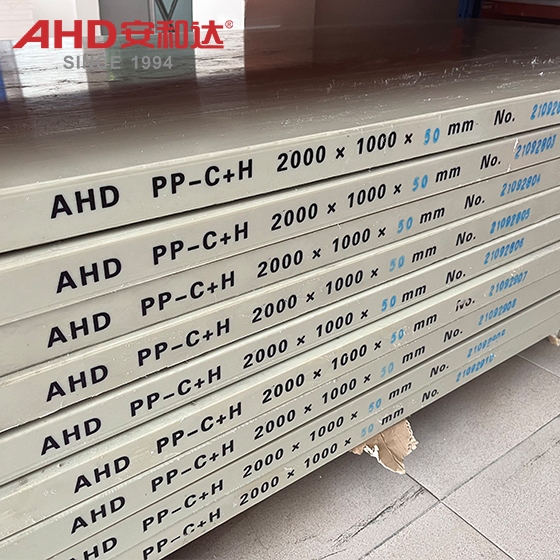
Both PP and PVDF sheets and rods are corrosion-resistant plastics, but PVDF exhibits significantly superior corrosion resistance compared to PP, especially in highly corrosive, high-temperature, and long-term exposure environments.
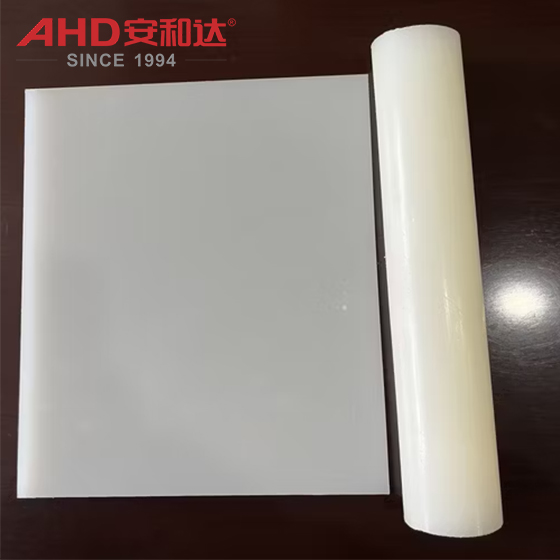
I. Comparison of Core Corrosion Resistance Properties
1. PP Sheet and PP Rod: Moderate Corrosion Resistance, Suitable for Weakly Corrosive Environments
PP (polypropylene) is a thermoplastic resin with good chemical stability, resisting the erosion of most inorganic acids (such as hydrochloric acid and sulfuric acid), alkalis (such as sodium hydroxide), and salt solutions. It is suitable for low-to-medium temperature (≤80℃) weakly corrosive environments. However, it is not resistant to strong oxidizing acids (such as concentrated nitric acid and chromic acid) and some organic solvents (such as benzene, chloroform, and carbon tetrachloride). Long-term contact with these media can lead to material swelling, cracking, and even failure.
For example, PP sheets and rods can be used to manufacture chemical containers and wastewater treatment equipment, but they cannot withstand corrosion from strong oxidizing agents or high-concentration organic solvents.
2. PVDF Sheet and PVDF Rod: Excellent Corrosion Resistance, Suitable for Highly Corrosive Environments
PVDF (Polyvinylidene Fluoride) is a fluoropolymer with a highly polar C-F bond in its molecular structure, exhibiting extremely high chemical inertness and almost no reaction with any medium. Its corrosion resistance is far superior to PP, specifically:
Resistant to Strong Acids and Alkalis: It can withstand long-term corrosion from strong oxidizing acids such as concentrated nitric acid, concentrated sulfuric acid, and concentrated hydrochloric acid, as well as strong alkalis such as sodium hydroxide and potassium hydroxide;
Resistant to Organic Solvents: It has good stability to organic solvents such as halogens (e.g., chlorine, bromine), esters, and ketones (esters and ketones may cause slight corrosion at high temperatures, but this is far superior to PP);
Oxidation and Weather Resistance: It has excellent resistance to ultraviolet radiation and is not prone to aging when exposed to outdoor or harsh environments for extended periods.
For example, PVDF sheets and rods are commonly used in highly corrosive environments such as high-purity chemical transport in the semiconductor industry, chemical equipment pipelines, and steel plant pickling systems, effectively resisting corrosion from chloride ions, heavy metal ions, and other corrosive media.
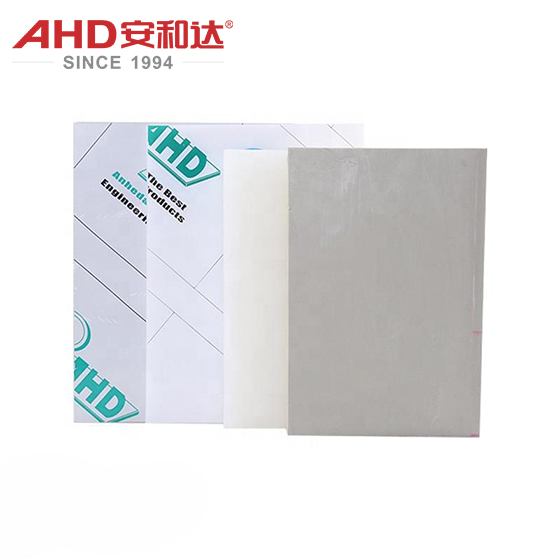
AHD Polypropylene Sheet (white, natural, and grey)
II. Differences in Temperature Tolerance
PP Sheets and Rods: Long-term operating temperature is generally ≤80℃. They are not resistant to high temperatures; above 80℃, they will soften, deform, and their corrosion resistance will decrease.
PVDF Sheets and Rods: Long-term operating temperature can reach 150℃ (short-term resistance to even higher temperatures). They maintain a stable chemical structure and corrosion resistance even at high temperatures, making them suitable for high-temperature, highly corrosive environments (such as chemical reactors and high-temperature pipelines).
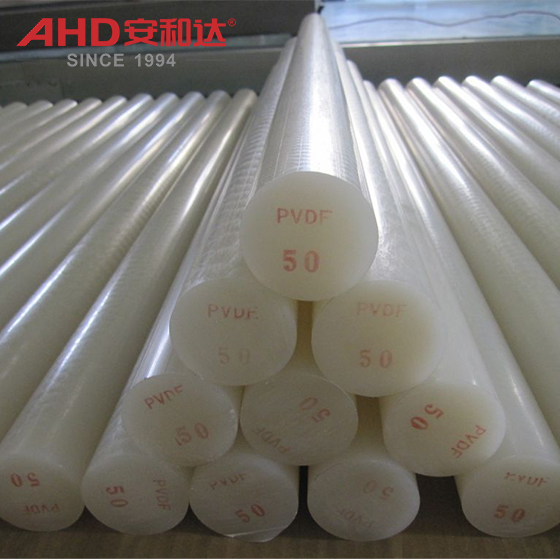
III. Differences in Application Scenarios
PP Sheets and Rods: Primarily used in medium- and low-temperature, weakly corrosive environments, such as chemical containers, wastewater treatment equipment, food packaging, and medical devices. They are relatively inexpensive and suitable for scenarios with less stringent corrosion resistance requirements.
PVDF Sheets and Rods: Primarily used in high-temperature, highly corrosive environments, such as semiconductor high-purity chemical transport, chemical equipment (pumps, valves, pipelines), steel plant pickling systems, and aerospace corrosion-resistant components. They are more expensive but can meet the needs of extreme environments.

IV. Selection Recommendations
For medium to low temperature (≤80℃) and mildly corrosive (e.g., common acids and alkalis) environments, choose PP sheets and rods, as they are more cost-effective.
For high temperature (≥100℃) and strongly corrosive (e.g., strong oxidizing acids, organic solvents) environments, choose PVDF sheets and rods, as their excellent corrosion resistance ensures long-term stable operation of the equipment.