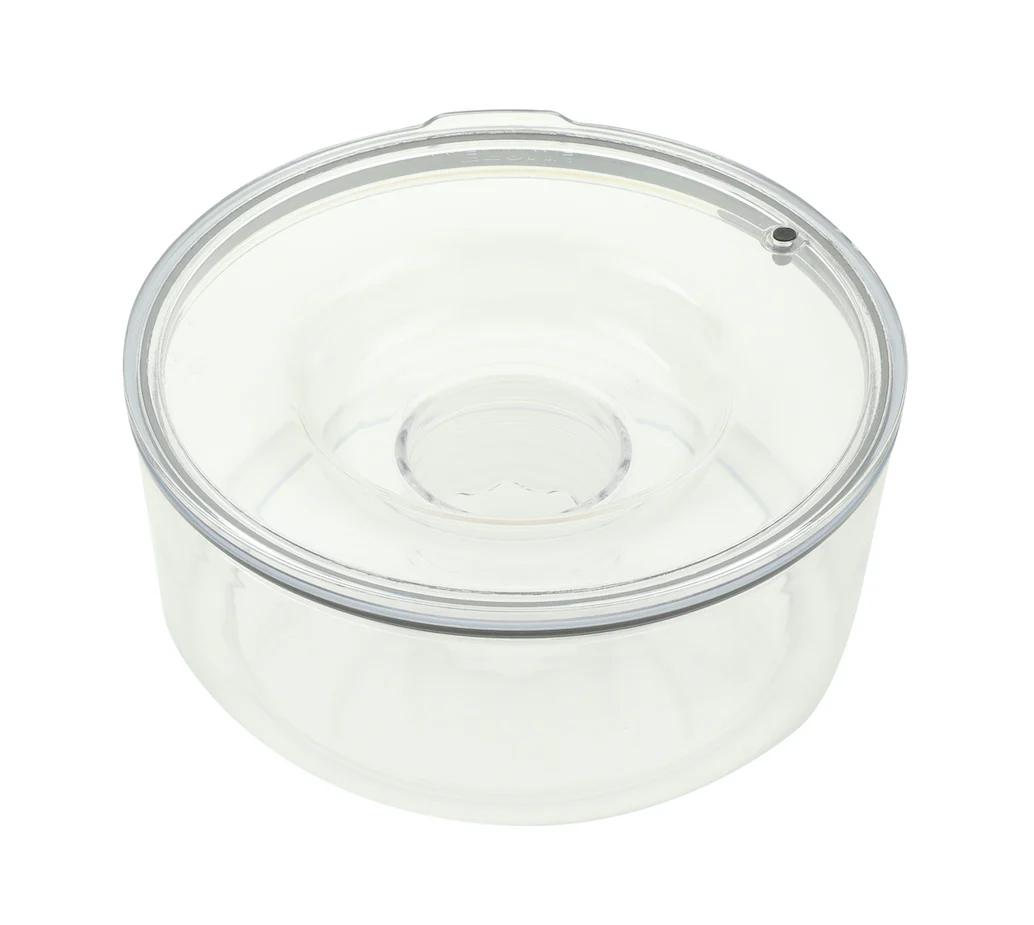
Ⅰ. Definition and Origin of Tritan
Tritan is a high-performance copolyester material developed and launched by Eastman Chemical Company in 2007, designed to address the safety concerns of traditional polycarbonate (PC) containing bisphenol A (BPA). It achieves a triple breakthrough in safety, durability, and transparency, and is globally recognized as the "next-generation BPA-free plastic benchmark."

Ⅱ. Tritan's Core Characteristics
Tritan's advantages stem from innovative molecular design. Its core characteristics are broken down into three dimensions: safety, performance, and processing:
1. Absolutely Safe Food Contact Properties
BPA-Free and Endocrine Disruptor-Free: Completely eliminates bisphenol A (a chemical that can mimic estrogen and interfere with human hormones) found in traditional Polycarbonate Sheet (PC), meeting global authoritative certifications such as FDA, EFSA, and GB (China Food Contact Standard).
No Migration Risk: Even with prolonged contact with high-temperature liquids (such as boiling water) or acidic foods (such as fruit juice), it will not release harmful substances.
2. Performance Stability in Extreme Environments
| Characteristics | Specific Features | Advantages Compared to Traditional Materials |
| Temperature Resistance | Continuous operating temperature -40℃ to 109℃ (short-term resistance to 120℃), can be sterilized by boiling water and heated in a microwave oven (oil-free). | Far superior to PP Sheet (long-term 100℃). |
| Impact Resistance | Unbreakable after a 1-meter drop onto a hard surface. | Solves the problems of brittle fracture in PC Sheet and collapse in PP(Polypropylene Sheet). |
| Transparency | Light transmittance > 90% (close to glass's 92%), without the "blue haze" of PC | Visual experience superior to glass (lightweight) + plastic (durable) |
| Chemical Resistance | Resistant to detergents, fruit juices, alcohol, and oils; does not stain with prolonged contact. | Superior to Acrylic Sheet or PMMA Sheet (easily scratched). |
3. Easy to process and lightweight
It can be manufactured using traditional processes such as injection molding, extrusion, and blow molding, supporting complex shapes (such as threaded bottle caps and curved cup bodies);
With a density of only 1.18g/cm³ (approximately half that of glass), it balances "transparent texture" and "portability".
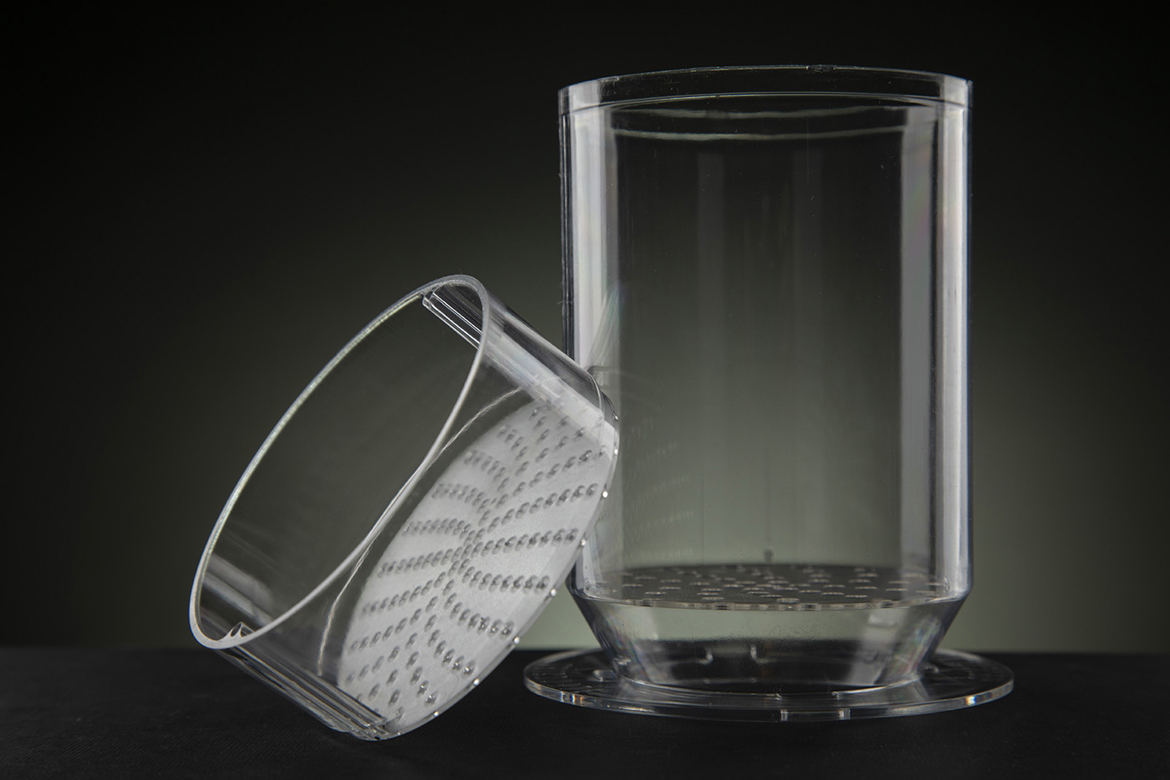
Ⅲ. Typical Application Scenarios of Tritan
Tritan's characteristics are precisely matched to scenarios prioritizing safety, durability, and visual sensitivity. The following are high-frequency application areas:
1. Baby and Maternity Products (Core Sector)
Baby bottles, sippy cups, and feeding bowls: Addressing parents' anxieties about BPA exposure; drop-resistant and heat-resistant, suitable for crawling toddlers;
Children's tableware (forks, spoons, lunchboxes): Chewing-resistant, odorless, and prevents breakage and injury.
2. Sports and Outdoor Equipment
Sports water bottles and thermos flasks: Drop-resistant, maintains its shape even when filled with hot or cold water, transparent design allows for easy monitoring of water levels;
Hiking pole handles and bicycle water bottle cages: A balance between lightweight and durability.
3. Medical and Healthcare Field
Transparent components for medical devices: Safe and non-toxic, suitable for high-temperature and high-pressure sterilization;
Dental impression trays: Transparent for easy observation, resistant to repeated sterilization.
4. Kitchen & Home Furnishings
Food storage containers, measuring cups: Transparent, allowing you to see the food's condition; won't crack when refrigerated.
Wine glasses (red wine glasses, decanters): Reproduce the color of wine; resistant to wine stains.
5. Consumer Electronics & Cultural Products
High-end phone/tablet cases: Transparent, aesthetically pleasing, and drop-resistant.
Cultural and creative items (such as transparent storage boxes): Combining artistry and practicality.

Ⅳ.Comparison Overview
Tritan (copolyester), PPSU (polyphenylsulfone), and silicone rubber are all BPA-free and safe materials, but due to differences in molecular structure and performance, they are applied in different scenarios. The following comparison focuses on their core properties, physical properties, processing, and applications to help you quickly identify these differences.
AHD also provides PPSU sheet and PPSU rod, as well as silicone rubber sheet and silicone rubber rod. Welcome to contact us for more details.
| Item | Tritan (Copolyester) | PPSU (Polyphenylsulfone) | Silicone (Silicone Rubber) |
| Molecular Types | Aliphatic-aromatic copolyesters (flexible chain + rigid ring) | Aromatic polysulfones (rigid backbone + sulfone side groups) | Polysiloxane elastomers (Si-O bond backbone + organic side groups) |
| Safety Standards | BPA-free/Bisphenol S-free | BPA-free | BPA-free (food grade required) |
| Impact resistance | 2-3 times that of PC (does not crack after a 1-meter drop) | Superior to PC (PC Plastic Sheet)at room temperature, slightly lower at low temperatures | Advantages of elastomers (drop resistant), but prone to tearing (not puncture resistant) |
| Transparency | Light transmittance > 90% (near glass) | Transparent grade ≈ 80% (slightly yellowish), regular transparent grade | Mostly milky white/semi-transparent (fully transparent grade is more expensive) |
| Temperature range | Long-term -40℃~109℃, short-term 120℃ | Long-term -60℃~180℃, short-term 260℃ | Long-term -50℃~200℃, short-term 300℃ |
| Chemical Resistance | Resistant to fruit juice/alcohol/detergent, but not resistant to strong acids and alkalis. | Resistant to strong acids and alkalis/solvents, radiation resistant. | Resistant to weak acids and alkalis, easily swollen by hydrocarbons. |
| Processing Difficulty: | Medium (Injection molding/extrusion, requires drying) | High (Injection molding at 300~350℃, strict drying required) | Low (Vulcanization molding, low mold cost) |
| Typical Cost | Medium (Higher than PP/PE, lower than PPSU) | High (Medical grade can be 2-3 times that of Tritan) | Low (General grade < Tritan, food grade slightly higher) |

Ⅴ. Physical Properties: The Differences in Positioning – "Rigid vs. Flexible vs. Tough"
Temperature Resistance: PPSU > Silicone > Tritan
PPSU is the first choice for high-temperature applications (e.g., medical sterilizers, airline meal containers); silicone is suitable for extreme temperature differences (e.g., frozen baby food containers, oven mitts); Tritan only meets daily warm-temperature needs (e.g., warm water in sports bottles).
Impact Resistance: Tritan > PPSU > Silicone
Tritan's "rigid yet tough" properties solve the "brittle" problem of PC; PPSU's impact resistance is more suitable for industrial/medical applications (e.g., surgical instrument handles); silicone's "flexible yet elastic" properties are used for drop protection covers, but it is easily punctured by sharp objects.
Transparency and Texture: Tritan > PPSU > Silicone
Tritan's "crystal-like" finish is the first choice for baby/creative products (e.g., transparent baby food bowls); PPSU's "matte, high-end" finish is used in medical equipment; silicone's "matte texture" is suitable for kitchenware seals.
Ⅵ. How to choose?
Tritan: Transparent + Everyday Drop Resistance + Safety
Flexible processing (supports complex shapes such as threaded bottle caps), focusing on "transparent + safe + durable" everyday items—baby bottles, sports water bottles, kitchen food containers.
PPSU: High-Temperature Sterilization + Medical-Grade Strength
Difficult to process (requires high-temperature equipment), but its high temperature resistance and high strength make it an essential material for medical/aerospace applications—surgical instruments, high-temperature experimental equipment.
Silicone: Elasticity + Sealing + Soft Touch
Low processing cost (fast vulcanization), elasticity, sealing, and softness, covering "skin contact/sealing" scenarios—baby nipples, kitchen utensil sealing rings, medical catheters.