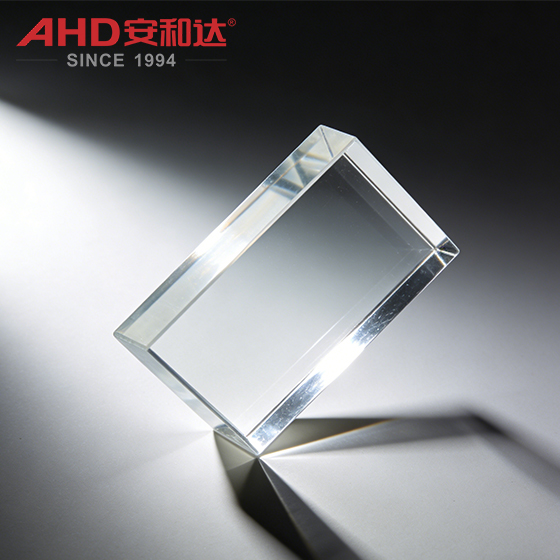
Commonly used transparent plastic sheets include polystyrene (PS), polyvinyl chloride (PVC), transparent polypropylene (PP), and polyethylene terephthalate (PET). Other commonly mentioned materials include polymethyl methacrylate (PMMA, acrylic) and polycarbonate (PC, although an engineering plastic, it is widely used). Below are their characteristics and typical applications:

1. Polystyrene (PS, general-purpose GPPS)
Properties: Light transmittance 88%-92% (close to glass), good rigidity (tensile strength 40-60MPa), excellent electrical insulation, low cost; however, it is brittle (notched impact strength only 2-5kJ/m²), has poor heat resistance (long-term use ≤60℃), and is prone to stress cracking (contact with aromatic solvents).
Applications: Disposable transparent tableware (yogurt cups), toys/models (model airplanes), decorative panels (furniture veneers), optical products (CD cases), laboratory utensils (petri dishes).
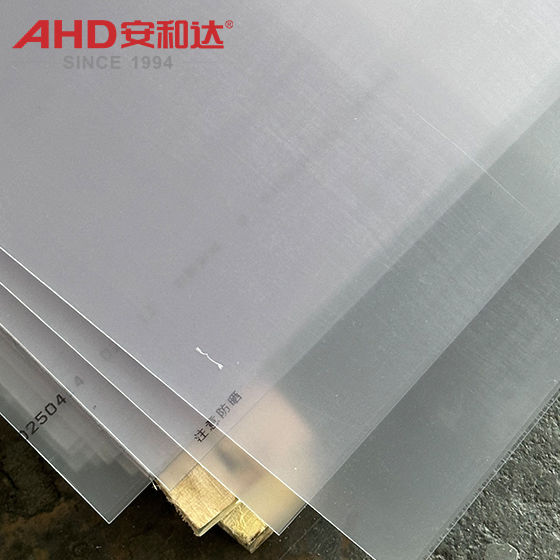
2. Polyvinyl Chloride (PVC, transparent rigid sheet)
Characteristics: Light transmittance 85%-90%, resistant to acid and alkali corrosion, flame retardant (self-extinguishing upon removal of flame), moderate mechanical strength (tensile strength 50-60MPa); however, it is prone to embrittlement at low temperatures (cracking below -10℃), and has moderate heat resistance (softening point 75-80℃).
Applications: Rigid sheets – architectural decoration (doors, windows, partitions, polycarbonate sheets), industrial protective covers (equipment observation windows).
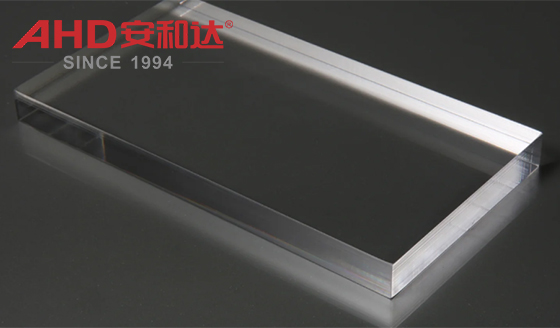
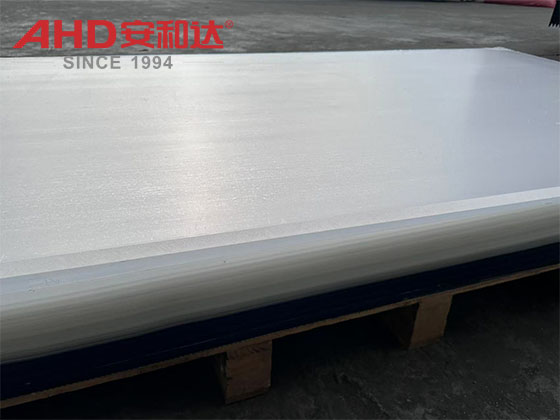
3. Polymethyl methacrylate (PMMA Sheet, Acrylic Sheet)
Characteristics: 92% light transmittance, density 1.18 g/cm³, excellent weather resistance (does not yellow outdoors), easy to process (cutting/heat bending); however, it has low hardness (easily scratched), is more brittle than PC, and is not resistant to solvents such as acetone.
Applications: Advertising light boxes/signs, optical lenses (spectacles lenses), automotive light covers, bathroom fixtures (bathtubs), display racks, building skylights.
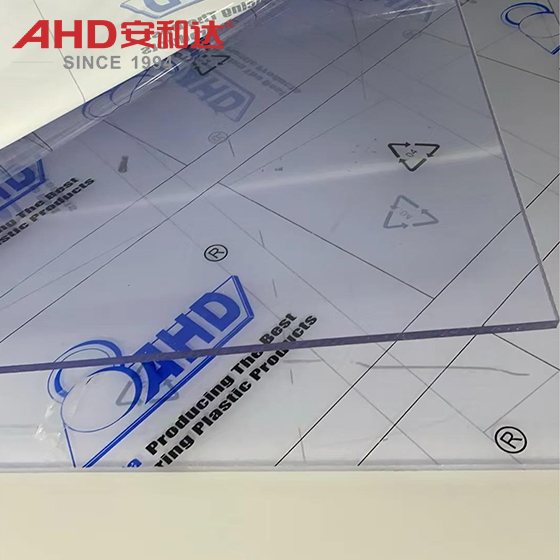

4. Polycarbonate (PC Sheet)
Characteristics: 89% light transmittance, extremely high impact resistance (250 times that of glass), heat resistant (long-term 120℃), good weather resistance; however, it is prone to stress cracking (affected by external force/solvents), and has a relatively high cost.
Applications: Safety protection (bulletproof glass, blast shields), greenhouses, electronic device housings (mobile phones/laptops), transportation vehicles (aircraft windows), sports goggles.
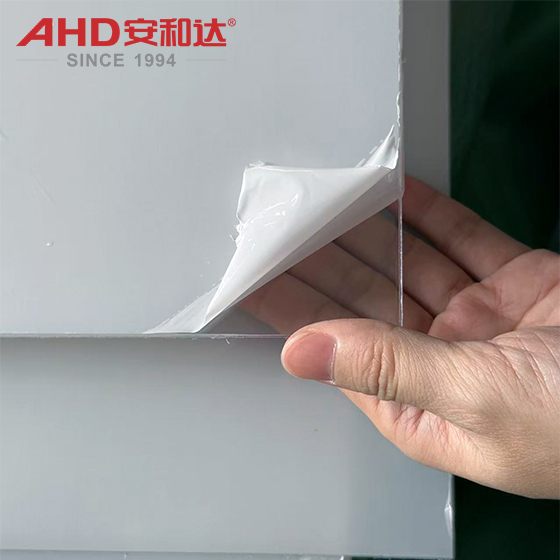
5. Polyethylene terephthalate (PET Sheet)
Characteristics: Light transmittance 85%-90%; tensile strength 50-70 MPa (superior to PS); long-term operating temperature 60-120℃ (short-term resistance to 150℃), superior to PS; resistant to weak acids, weak alkalis, and oils, but not resistant to strong acids, alkalis, and strong organic solvents; excellent barrier properties against oxygen, carbon dioxide, and water vapor, suitable for food packaging; poor low-temperature toughness (easily brittle below -20℃), moderate weather resistance, and higher cost than PP and PS.
Applications: Transparent trays for food/pharmaceuticals, cosmetic display boxes, etc.
Common plastics include PS, PVC, and transparent PET, which prioritize low cost and basic transparency. PMMA and PC are more commonly used in high-end applications due to their high light transmittance or high impact resistance. When choosing, light transmittance, strength, temperature resistance, and cost must be balanced.
AHD Polymer is an ISO-certified manufacturer of plastic sheets and rods with 31 years of experience in the OEM/ODM industry. We can provide a custom solution tailored to your needs. Welcome to contact us for more recommendations.