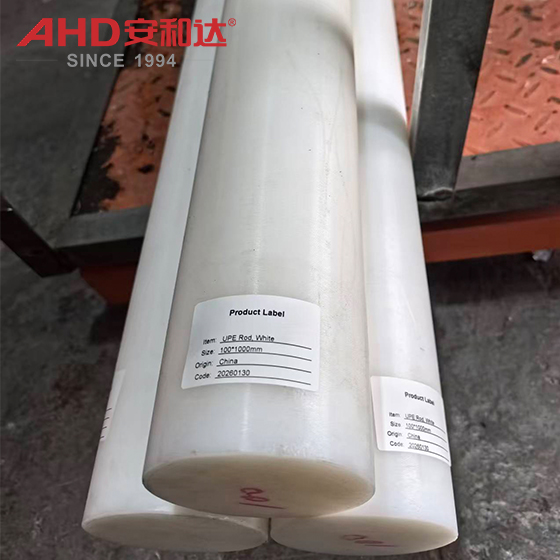
UHMWPE (ultra-high molecular weight polyethylene) and HDPE (High Density Polyethylene) are two important materials of polyethylene (PE). Their core difference stems from variations in molecular chain length and structure, leading to significant differences in performance, processing methods, and application areas. A detailed comparison follows:
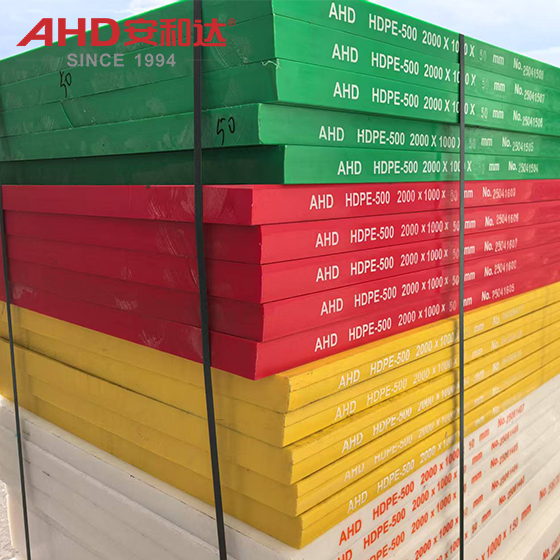
Polyethylene Sheet
1. Key Differences
| UHMWPE Sheet | HDPE Sheet | |
| Molecular Structure | Very long, highly entangled chains | Shorter chains with minimal branching |
| Density | 0.94 g/cm³ | 0.96 g/cm³ |
| Crystallinity | Moderate (50–70%) | High (70–90%) |
2. Performance Comparison
Wear Resistance
UHMWPE: Exceptional (outperforms steel and nylon).
HDPE: Good, but far inferior to UHMWPE.
Impact Strength
UHMWPE: Excellent, even at low temperatures.
HDPE: Moderate; becomes brittle in cold conditions.
Self-Lubrication
UHMWPE: Extremely low friction coefficient.
HDPE: Low friction but not as effective.
Chemical Resistance
Both resist acids, alkalis, and solvents well, but UHMWPE is slightly superior due to its stable molecular chains.
3. Typical Applications
UHMWPE:
→ High-wear components: conveyor rails, gears, bearings.
→ Agricultural and food machinery: guide plates, star wheels.
→ Textile and paper machinery: guide rollers, sliders.
→ Industry: filters, gaskets, marine ropes.
HDPE:
→ Chemical and environmental protection fields: storage tanks, tank linings.
→ Water treatment and marine engineering: water tanks, aquariums.
→ Industry and construction: mold plates, pads, insulation components.
4.Selection Recommendations
Choose UHMWPE: For applications requiring extreme abrasion resistance, impact resistance, or self-lubrication, and for which higher costs are acceptable.
Choose HDPE: For everyday or structural applications prioritizing cost-effectiveness, ease of processing, and corrosion resistance, where abrasion resistance requirements are not extreme.
UHMW Plastic Rod