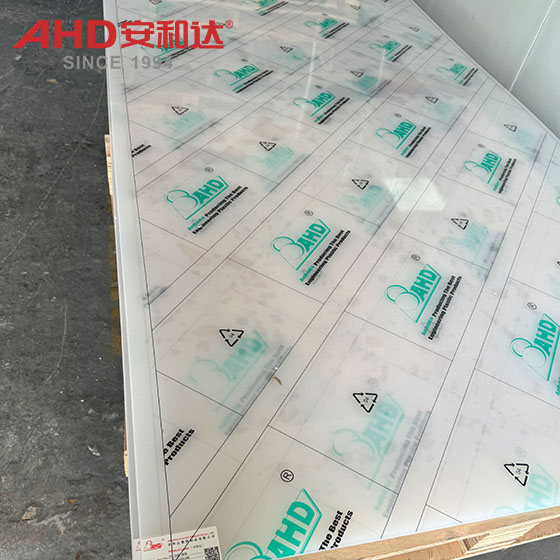
Environmental Protection Leads the Trend: PP Board Emerges as a Top Green Choice for Home Decoration
In recent years, environmental protection has become an increasingly prominent global concern. As ecological awareness deepens, the pursuit of green lifestyles has expanded from daily consumer goods to the construction and decoration industry. Today, environmentally certified building materials are no longer optional but a primary criterion for consumers. Among the array of green building materials, polypropylene (PP) board has emerged as a leading choice for home decoration, thanks to its exceptional eco-performance, versatile properties, and diverse applications.

PP board, crafted from polypropylene resin via extrusion, calendering, and molding, is a high-quality polymer sheet. Polypropylene itself is a thermoplastic polymer celebrated for its stable chemical properties, low cost, and processability. What sets PP board apart is its fusion of performance and eco-friendliness, satisfying modern demands for both quality and sustainability.
Compared to traditional panels like wood-based boards, plastic sheets, or metal plates, PP board offers irreplaceable advantages: it is lightweight, reducing structural load and simplifying transport; highly tough and impact-resistant, resisting cracks and deformation from daily use; corrosion-resistant, unaffected by acids, alkalis, and oils; and flame-retardant, meeting national fire safety standards to inhibit fire spread.
Crucially, PP board’s environmental performance in use is its most compelling attribute. Unlike inferior materials that release harmful gases, PP board is made from pure polypropylene without formaldehyde or heavy metals, ensuring no toxic emissions or odors throughout its lifespan. Even when burned, it produces only carbon dioxide and water vapor, avoiding dioxins and cyanides, thus embodying the principle of “safe use, eco-friendly disposal.”
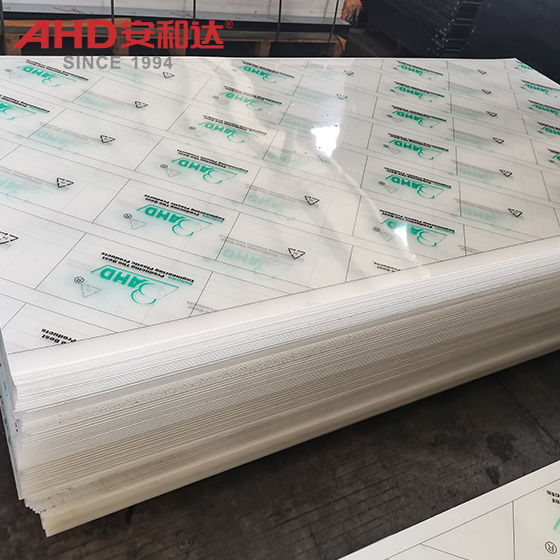
From a lifecycle perspective, PP board exemplifies low-carbon, circular economy principles. Its production is energy-efficient: polypropylene synthesis is relatively simple, and modern automated lines minimize energy use compared to ceramics, glass, or metal. Advanced waste treatment systems further reduce pollution. PP board is also fully recyclable; discarded boards can be melted and reshaped into new products, cutting waste and resource reliance. With a lifespan exceeding 20 years—far longer than traditional materials—it reduces replacement frequency, lowering both consumer costs and environmental impact from material production and transportation.
These advantages have made PP board a staple in home decoration, with applications expanding as technology advances. In furniture manufacturing, it replaces wood-based panels to create wardrobes, cabinets, and bookshelves. PP board furniture is formaldehyde-free, moisture-resistant, and mold-proof, with customizable finishes (matte, glossy, wood grain) that complement styles from modern minimalism to Chinese classical. In humid kitchens and bathrooms, its durability outperforms wood, preventing mold and deformation.
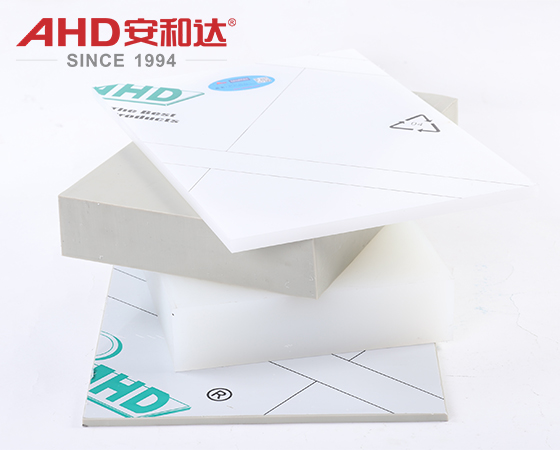
For walls and floors, PP board offers practical and aesthetic benefits. PP wall panels replace wallpaper, paint, and tiles, featuring quick installation via direct adhesion or splicing, which cuts construction time and dust. Available in diverse colors, patterns, and 3D textures, they suit living rooms, bedrooms, and children’s rooms, and are easily cleaned with a damp cloth—ideal for families with kids or pets. PP flooring, lightweight and slip-resistant, provides sound insulation and shock absorption, making it safe for children’s and elderly’s rooms.
PP board also enhances decorative details like skirting boards, window sills, and countertops, ensuring style consistency and eco-friendliness across the home. In wet areas or storage spaces, its moisture resistance and durability make it a reliable choice.
The rise of PP board reflects shifting consumer priorities, policy support, and technological progress.
As living standards improve, homeowners now prioritize “eco-safety, health, and practicality” over aesthetics and cost. Over 80% of consumers prioritize eco-performance, creating demand for certified green materials like PP board. Government policies promoting low-carbon construction and circular economy have further fueled this growth, with subsidies and standards driving industry innovation. Technological advancements—including modified PP board for enhanced hardness, advanced surface treatments for realistic textures, and high-precision production lines—have expanded its appeal to high-end markets. Functional variants like antibacterial and heat-insulating PP board now serve specialized sectors like healthcare and electronics, feeding back into residential applications.
Despite its growth, the PP board industry faces challenges: uneven product quality, low brand awareness, and price competition. Unscrupulous manufacturers cut corners with recycled materials and toxic additives, undermining industry credibility. To address this, governments must strengthen regulation, enforce standards, and penalize substandard products. Enterprises should prioritize quality and R&D, build strong brands, and collaborate on industry self-discipline. Consumers, in turn, should learn to identify certified products and prioritize long-term value over short-term cost.
Looking ahead, PP board is poised to become a mainstream home decoration material. Its applications will expand to doors, windows, and sunshades, enabling full-home green integration. Future innovations will focus on high-performance, smart, and multi-functional products—such as temperature-regulating and self-cleaning PP board—transforming it from a decorative to a life-enhancing material. Combining PP board with bamboo fiber or recycled plastic will also yield composite materials, enriching the green building ecosystem.
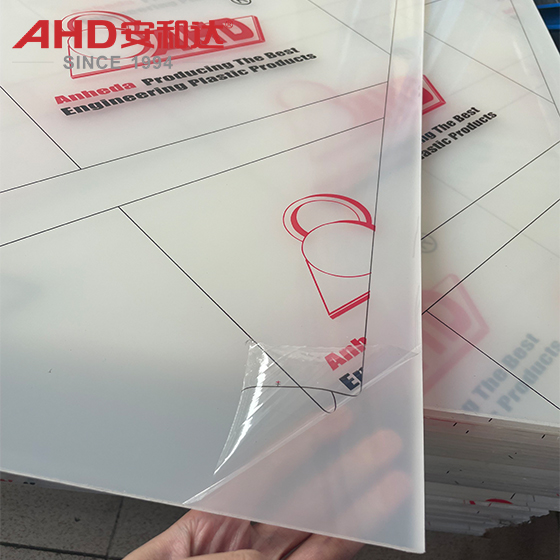
The ascent of PP board mirrors the global shift toward sustainability, proving eco-conscious choices are reshaping industries. As a cornerstone of green construction, PP board is not only improving home living but also advancing the “double carbon” goal. With collective effort, the PP board industry will thrive, delivering healthier, more sustainable homes for all.