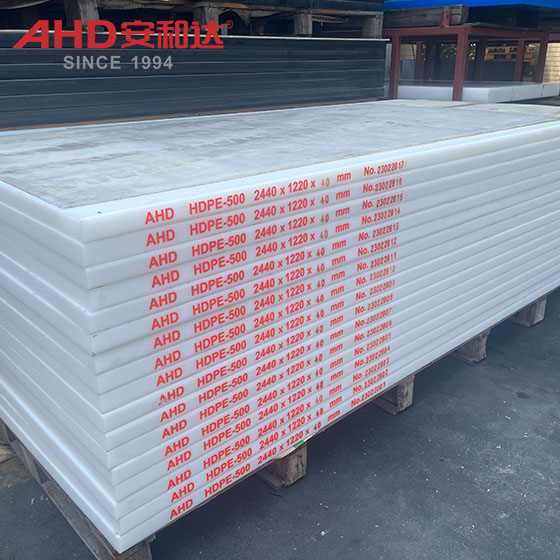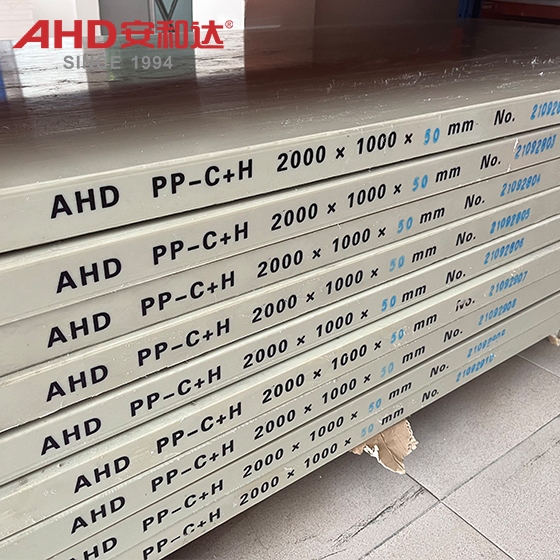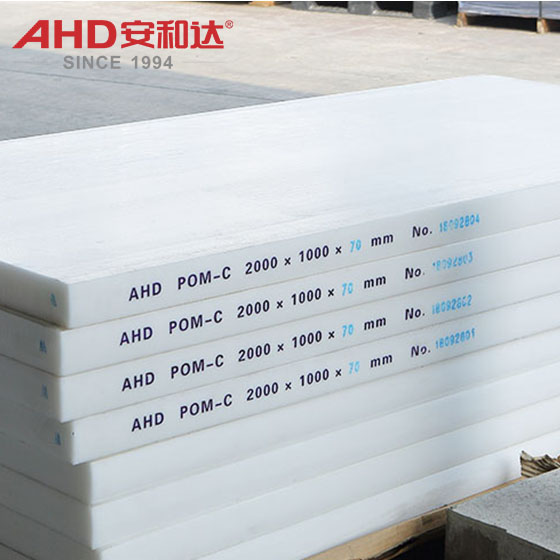
When you hold a smooth plastic sheet in your hand, touch the cool casing of an advertising lightbox with your fingertips, or gaze at the wear-resistant parts of a precision instrument, have you ever thought—that these seemingly ordinary plastic products are actually born from the boiling black gold thousands of meters underground? Petroleum, the cornerstone of modern industry, is refined in furnaces into molecular chains of ethylene and propylene through incredible chemical magic. This is then extruded into plastic granules, which are melted at high temperatures and shaped in molds, ultimately transforming into plastic sheets and rods in your hands, such as HDPE Sheet, PP Sheet, or POM Sheet. From car dashboards to building partitions, from medical protective gear to aerospace components, from the chemical industry to the everyday consumer goods industry, every fluctuation in this chain affects your wallet and your daily life.
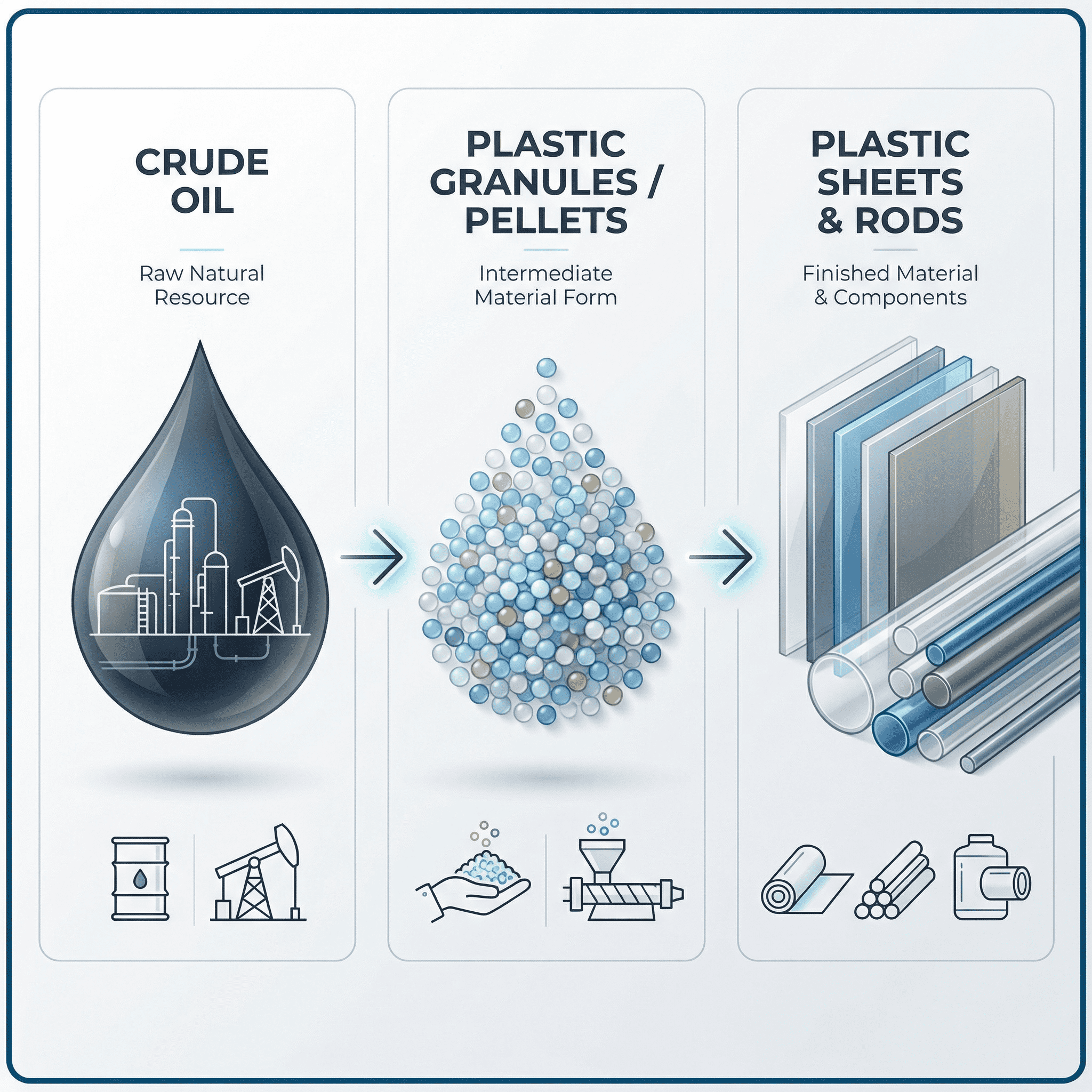
I. Core Relationship: Petroleum is the Basic Raw Material Source for Plastic Sheets and Rods
Plastics are essentially high-molecular polymers (resins), and the monomers of the vast majority of plastics (especially general-purpose plastics) (such as ethylene, propylene, styrene, vinyl chloride, etc.) originate from petroleum refining and petrochemical processes:
Petroleum undergoes distillation and cracking processes in refineries to produce naphtha (light oil), which is then further processed through steam cracking to produce basic chemical raw materials such as ethylene, propylene, and butadiene;
These raw materials are then processed through polymerization reactions (such as polyethylene PE, polypropylene PP), addition reactions (such as polystyrene PS), or condensation reactions (such as polyamide PA) to produce various plastic resins;
Plastic sheets and rods are products made by processing resins (possibly with fillers and additives) through extrusion, molding, or lamination processes (common materials include PVC, ABS, PMMA, PP, etc.).
In short, petroleum → petrochemical raw materials → plastic resins → plastic sheets and rods constitute a complete industrial chain.

II. Impact Factors: How Oil Affects Plastic Sheet and Rod Production
Oil prices, supply, and policies, among other factors, are transmitted through the industrial chain, directly or indirectly affecting the cost, production, and market performance of plastic sheet and rod production.
1. Oil Prices are the Core Driver of Plastic Sheet and Rod Costs
Approximately 60%-80% of the cost of plastic resin comes from petroleum-derived raw materials (such as ethylene and propylene). Fluctuations in oil prices directly impact plastic resin prices, thus affecting the processing costs and final selling prices of plastic sheet and rod production. For example:
When international oil prices surge (e.g., due to geopolitical conflicts leading to tight crude oil supply), petrochemical companies face increased raw material costs, resulting in higher plastic resin prices, which may force plastic sheet and rod producers to raise prices.
When oil prices fall, plastic resin costs decrease, and plastic sheet and rod prices may also decrease accordingly.
2. Oil Supply Stability Affects the Production Continuity of Plastic Sheet and Rod Production
Oil is the fundamental resource of the global petrochemical industry. Disruptions in oil supply (e.g., war, sanctions, OPEC production cuts) could lead to shortages of intermediate raw materials such as naphtha and olefins, thereby limiting the production of plastic resin. At this time, plastic sheet and rod manufacturers may reduce or even halt production due to insufficient raw materials.
3. The Indirect Impact of Petroleum-Derived Energy Costs on Plastic Sheet and Rod Processing
The production of plastic sheets and rods (such as extruder heating and die forming) requires energy such as electricity and natural gas, the prices of which are often linked to oil (e.g., natural gas prices are affected by crude oil prices). Therefore, fluctuations in oil prices can indirectly increase or decrease the energy costs of plastic sheets and rods.
4. Environmental Policies and Alternative Technologies May Weaken Oil Dependence
Although oil remains the mainstream raw material for plastics, the following trends may gradually weaken the strong correlation between the two in the context of global "plastic reduction" and "carbon neutrality":
Bio-based plastics: Some plastics (such as PLA polylactic acid and PHA polyhydroxyalkanoates) use biomass such as corn starch and bagasse as raw materials, which can replace petroleum-based plastics;
Recycled plastics: Recycling and reprocessing waste plastics can reduce the demand for virgin materials (petroleum-based);
Biodegradable plastics: The promotion of biodegradable materials in some scenarios (such as packaging and disposable products) may divert demand from traditional petroleum-based plastic sheets and rods.
However, bio-based/recycled plastics currently account for less than 10% of the total plastics market, making it difficult to challenge the dominance of petroleum in the short term. Moreover, traditional petroleum-based plastic sheets and rods are still used in industry.
Petroleum is the core upstream raw material for plastic sheets and rods, and the two are closely linked through the industrial chain of "petroleum → petrochemical raw materials → plastic resin → plastic sheets and rods". The price, supply, and policies of petroleum mainly affect the market performance of plastic sheets and rods through cost transmission and production constraints.