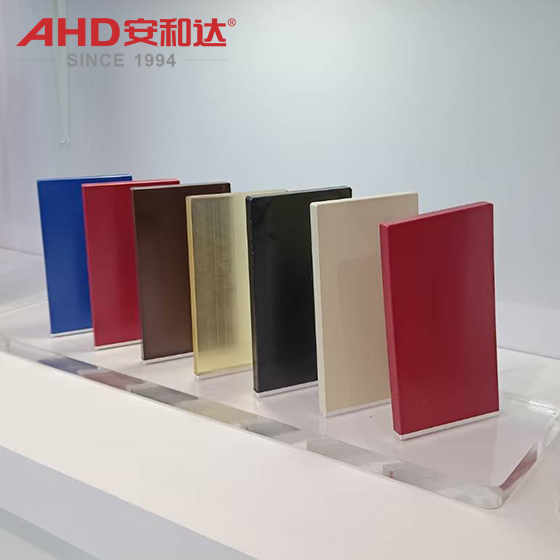
PPSU Sheet Yellowing Issue: A Comprehensive Analysis of UV Modification and Long-Term Storage Protection
In the field of high-performance engineering plastics, PPSU (Poly Phenyl Sulfone) is widely used in medical equipment, laboratory supplies, and electronic components due to its high temperature resistance, chemical corrosion resistance, and high transparency. However, with the expansion of its application scenarios, the yellowing problem of Polyphenylsulfone PPSU Sheets has gradually become a focus of industry attention. This article will start from the yellowing mechanism of PPSU sheets, and delve into UV modification technology and long-term storage protection strategies to provide professional solutions for the industry.

I. Yellowing Mechanism of PPSU Sheets: From Molecular Structure to Environmental Factors
Yellowing of PPSU sheets is a chemical degradation phenomenon that occurs under the influence of environmental factors such as light, heat, and oxygen. Its core cause is closely related to its molecular structure and external environment.
Inherent Weaknesses in Molecular Structure
PPSU's molecular chains contain aromatic rings and sulfone groups (–SO₂–). Although these structures can absorb some ultraviolet energy, they can still undergo photo-oxidation reactions under long-term strong light exposure, leading to molecular chain breakage or cross-linking, forming chromophores (such as carbonyl groups), thus initiating yellowing. Furthermore, PPSU's transparency makes it more sensitive to ultraviolet light, especially in outdoor environments where ultraviolet transmittance can reach 2% in wavelengths below 400nm, accelerating material aging.
The Cumulative Effects of Environmental Factors
Ultraviolet Radiation: In outdoor environments, long-term exposure of PPSU sheets to UV-A (320-400nm) and UV-B (280-320nm) wavelengths leads to surface microcracks and oxide layer formation.
High temperature and humidity: High temperatures (>80℃) accelerate molecular chain movement, while humid and hot environments promote hydrolysis reactions, further weakening material stability.
Chemical contamination: Contact with chlorine-containing disinfectants or organic solvents may trigger surface degradation and exacerbate yellowing.
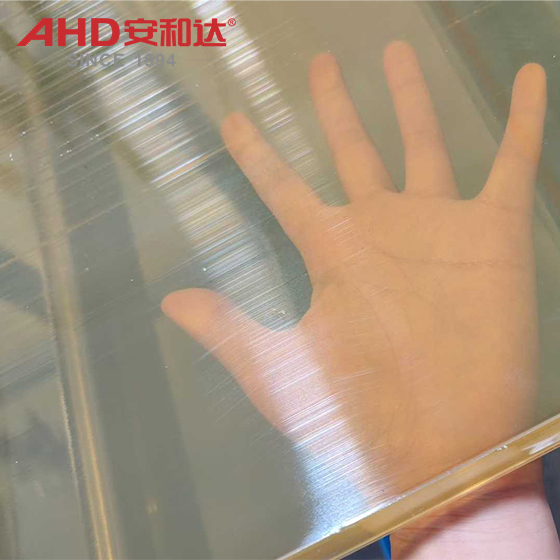
II. UV-Resistant Modification Technology: From Material Composites to Surface Protection
To address the yellowing problem of PPSU Plastic sheets, the industry has developed various modification solutions, improving their UV resistance through material composites and surface treatments.
Adding UV Stabilizers
Introducing UV absorbers into PPSU raw materials can effectively shield ultraviolet rays in the 280-400nm wavelength range.
Blending Weather-Resistant Resins
Blending PPSU with more weather-resistant polyethersulfone (PES) or polyetherimide (PEI) can form a synergistic anti-aging network. Experiments show that the weather resistance of PPSU/PES (7:3) blends is significantly improved compared to pure PPSU.
Surface Coating Technology
UV-Resistant Coating: Utilizing a UV-reflective coating containing nano-titanium dioxide (TiO₂), which can reflect over 90% of ultraviolet rays.
Anti-Oxidation Film: A SiO₂ protective layer is formed through plasma deposition technology, blocking the synergistic effect of oxygen and ultraviolet rays.
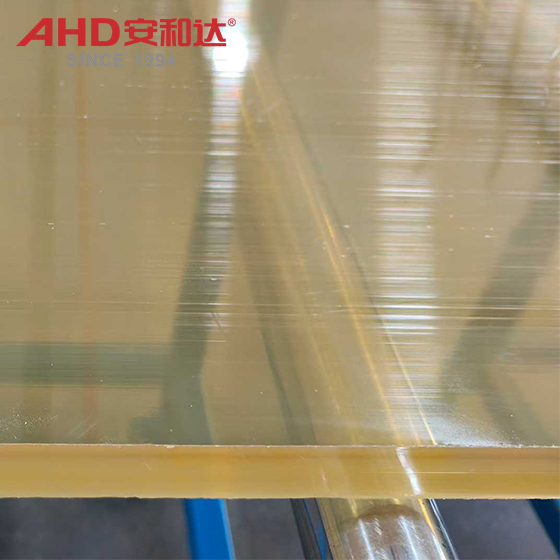
III. Long-Term Storage Protection Strategies: From Environmental Control to Packaging Optimization
Even after UV-resistant modification, the performance stability of Polyphenylsulfone PPSU sheets still depends on scientific storage management. The following are key protective measures:
Storage Environment Control
Light and Moisture Protection: Store in a shaded warehouse, controlling humidity at 30%-50% and temperature at 15-30℃, avoiding direct UV exposure and condensation.
Avoid Chemical Contamination: Isolate from acidic and alkaline substances, oils, and organic solvents to prevent surface adsorption leading to chemical degradation.
Packaging and Stacking Standards
Sealed Packaging: Use light-proof packaging or vacuum packaging containing desiccants to reduce oxygen and moisture contact.
Layered Separation: Avoid direct stacking; use EPE foam or honeycomb cardboard for separation to prevent scratches, deformation from compression, and stress concentration.
Regular Inspection and Maintenance
Inspect the material surface quarterly for micro-cracks or color differences, and monitor the yellowing index (ΔYI) using a spectrophotometer.
The yellowing problem of PPSU sheets is essentially a trade-off between material properties and environmental stress. Through UV-resistant modification technology, scientific storage management, and scenario-based protection solutions, their service life can be significantly extended, unlocking the greater value of high-performance engineering plastics. Additionally, minimizing the damage to PPSU sheets from storage and usage environments can slow down yellowing. For companies requiring customized protection solutions, it is recommended to collaborate with professional material suppliers to achieve end-to-end control, from raw material selection to process optimization.
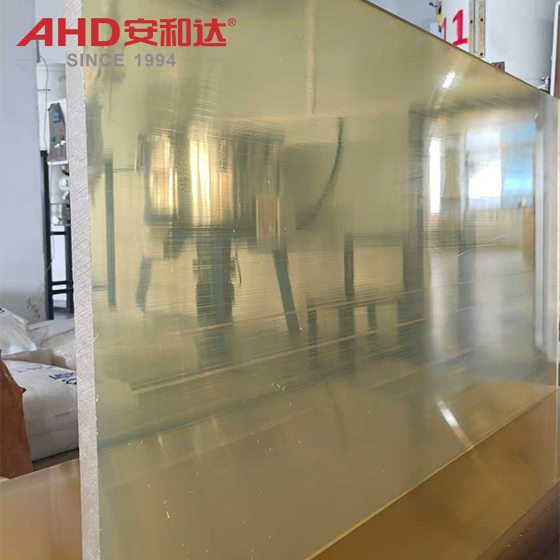
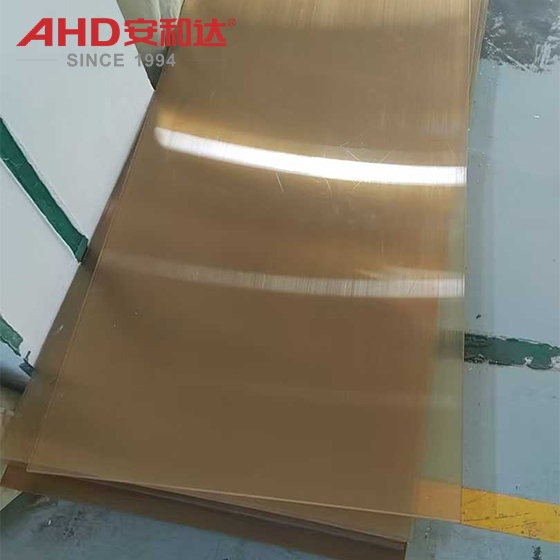
PPSU (polyphenylsulfone) sheet is a high-performance engineering plastic sheet made from polyphenylsulfone resin through extrusion or compression processes. Its molecular backbone contains benzene rings and sulfone groups, giving the material properties such as high temperature resistance (short-term 220℃/long-term 180℃), hydrolysis resistance, and high transparency. Its native color is amber or transparent, and it meets medical and food-grade safety standards without the need for additives, making it an ideal alternative to metal and glass.
PPSU sheets are resistant to extreme environments (withstanding over 1000 cycles of high-pressure steam sterilization at 134℃, with hydrolysis resistance far exceeding that of PC and PSU, making them suitable for repeated sterilization scenarios), possess excellent mechanical properties (impact strength twice that of PC, maintaining toughness at low temperatures, and excellent dimensional stability), are safe and environmentally friendly (BPA-free, meeting FDA and EU food contact standards, and exhibiting excellent biocompatibility), and are chemically inert (resistant to acids, alkalis, alcohol, and most organic solvents; does not deform or age even after prolonged contact with cleaning agents).It is a truly exceptional material.