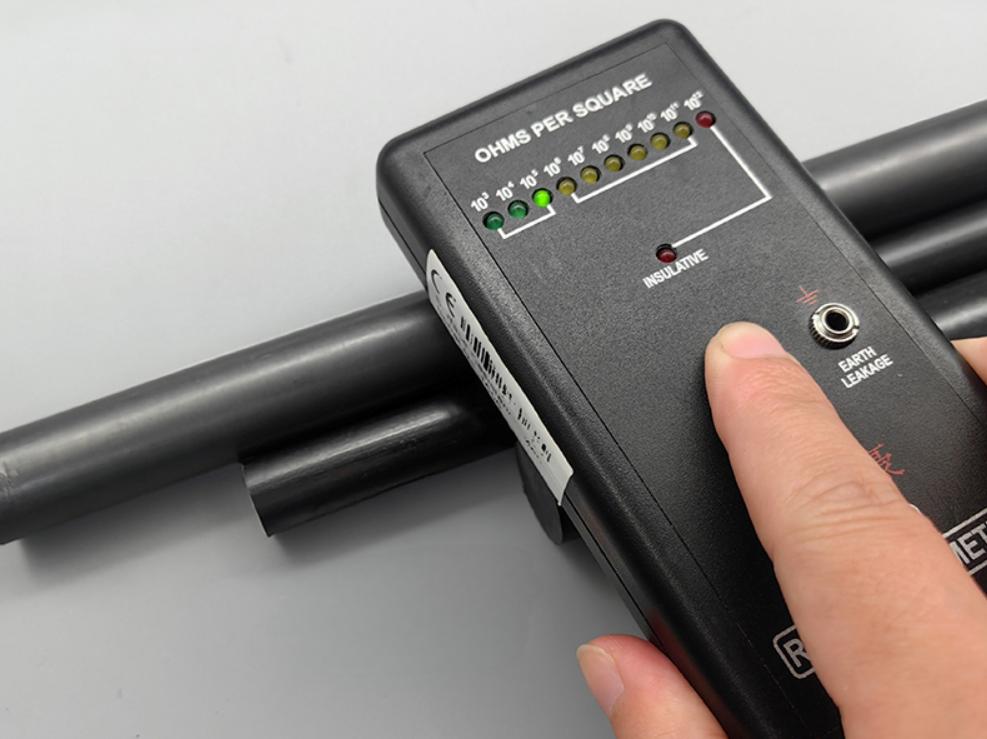
Ⅰ. Technological Innovation Showcase at an Industry Summit
BASF, a leading global chemical company, announced that it will showcase its latest next-generation plastic additive technology at the upcoming Chinaplas 2026 International Plastics and Rubber Industry Exhibition in Shanghai. This official announcement marks another significant step forward for the plastics industry in the fields of sustainable development and high-performance materials.
Chinaplas 2026, scheduled for April 21-24 in Shanghai, is Asia's largest and most influential plastics and rubber industry event, attracting the attention of top global companies and professionals every year. BASF's choice to launch its innovative technology at this platform fully demonstrates the company's high regard for the Asia-Pacific market, especially the Chinese plastics industry.
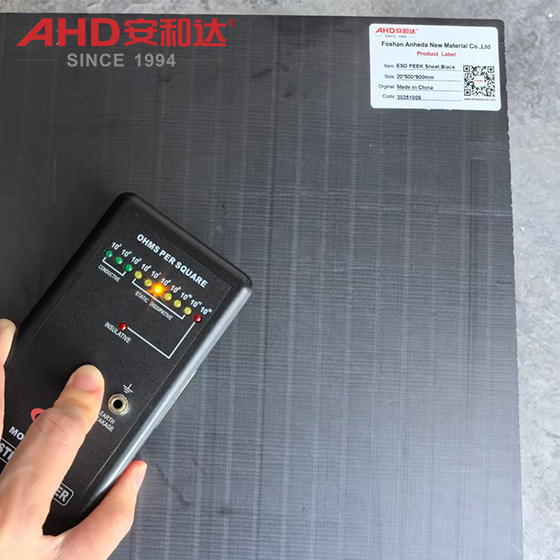
Ⅱ. Plastic Additives: The "Hidden Heroes" of the Modern Plastics Industry
1. Basic Functions and Classification of Additives
Plastic additives are indispensable key components in the modern plastics industry. These substances, added in small proportions during polymer material production, can significantly improve or regulate the physical, chemical, mechanical, and aesthetic properties of plastics. The main functions of plastic additives include:
Performance Enhancement: Improving the flexibility, strength, heat resistance, and impact resistance of plastics.
Durability Enhancement: Enhancing resistance to UV rays, oxidation, and aging.
Processing Optimization: Improving melt flow, reducing energy consumption, and increasing production efficiency.
Functional Expansion: Imparting special functions such as flame retardancy, antistatic properties, and antibacterial properties.
Common types of plastic additives include:
Plasticizers: Increasing material flexibility and reducing brittleness.
Stabilizers: Protecting plastics from heat, UV rays, and oxidative damage.
Flame Retardants: Reducing the flammability of materials.
Antioxidants: Preventing degradation during processing and use.
Colorants: Providing desired colors and appearance effects.
Fillers and Reinforcements: Increasing strength and reducing costs.
Lubricants and Processing Aids: Improving manufacturing efficiency.
2. The Importance of Additives to Plastic Sheet and Rod Products
For plastic sheet and rod manufacturers, advancements in additive technology are of particular significance. Sheets, rods, and tubes, as semi-finished forms of plastic, have their final performance largely dependent on the selection and proportioning of additives:
Outdoor Durability: Building sheets, outdoor signage, etc., require excellent weather resistance.
Mechanical Strength: Rods for mechanical parts require high strength and wear resistance.
Dimensional Stability: Sheets for precision machining require low shrinkage and good dimensional stability.
Processing Performance: Large sheet extrusion requires good melt flow and processing window.
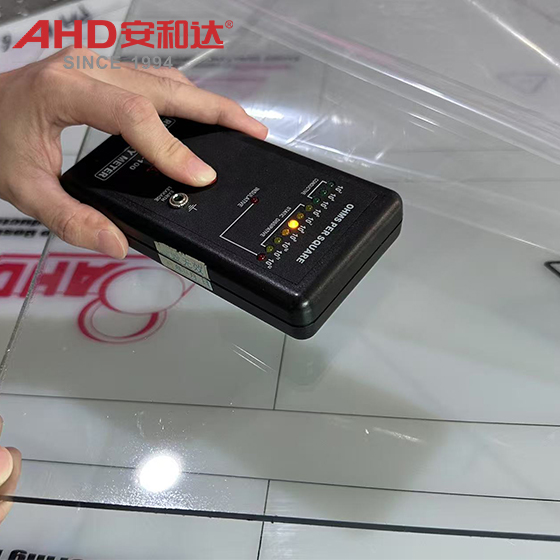
Antistatic Polycarbonate Sheet (ESD PC Sheet)
Ⅲ. Core Technology Breakthrough: Tinuvin NOR 600 Stabilizer Technology
1. Durability Challenges in Extreme Environments
One of BASF's core innovations showcased was its new stabilizer technology—Tinuvin NOR 600. This technology is specifically designed for plastic products exposed to extreme environmental conditions, addressing multiple long-standing challenges faced by outdoor plastics:
UV Radiation: Causes polymer chain breakage, color fading, and surface chalking.
Thermal Oxidation: Accelerates material aging at high temperatures.
Humidity Effects: Moisture penetration triggers hydrolytic degradation.
Chemical Corrosion: Atmospheric pollutants corrode the material surface.
Traditional solutions often only provide protection against a single environmental factor, while Tinuvin NOR 600 technology, through a synergistic mechanism, provides comprehensive protection against multiple environmental stresses simultaneously.
2. Technical Principles and Application Advantages
Tinuvin NOR 600's working mechanism is based on its unique molecular structure design:
Synergistic Stabilization System: Works synergistically with existing light stabilizers to form multiple protective barriers.
Free Radical Capture: Efficiently captures free radicals, interrupting degradation chain reactions.
Long-Term Stability: Provides durable protection, extending product lifespan.
This technology exhibits superior performance in various plastic materials:
PVC and PVC Alloys: Increases outdoor lifespan by 30-50%
Polyolefin Plastics: Enhances resistance to UV rays and thermal oxidation
Engineering Plastics: Improves long-term weather resistance.
3. Specific Application Scenarios
Tinuvin NOR 600 technology has a wide range of applications, particularly suitable for the following fields:
Roofing Membranes: Extends warranty period and reduces maintenance costs
Truck Tarpaulins: Improves tear resistance and weather resistance
Artificial Turf: Maintains vibrant colors and mechanical properties
Outdoor Water Tanks: Resists UV rays and water corrosion
Chemical Containers: Ensures safe transport of hazardous chemicals.
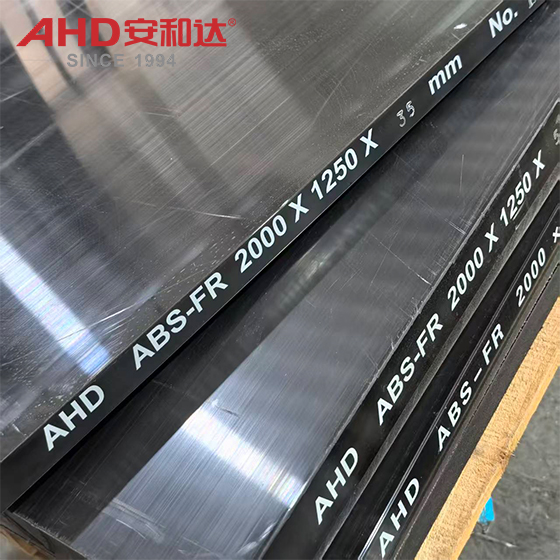
Ⅳ. Application Expansion in Industrial Logistics
1. Technical Requirements for High-Demand Application Scenarios
BASF has also targeted the high-demand application scenario of industrial logistics. Products such as rotationally molded water tanks and chemical transport containers pose stringent challenges to the performance of plastic materials:
Weather Resistance Requirements: Long-term outdoor storage and use
Temperature Adaptability: Withstanding seasonal and diurnal temperature variations
Chemical Resistance: Preventing internal chemicals from corroding container materials
Structural Integrity: Ensuring no leakage risk during long-term use
2. Features of BASF's Solutions
For industrial logistics applications, BASF's additive technology exhibits unique advantages:
Enhanced Protection
Structural Strengthening: Improving the mechanical strength and pressure resistance of plastic containers
Leak Prevention: Enhancing material sealing and impermeability
Safe Transportation: Ensuring the safe storage and transportation of hazardous chemicals
Life Cycle Value
Reduced Maintenance Costs: Reducing the frequency of maintenance and replacement
Extended Service Life: Improving the return on investment for equipment
Environmental Risk Control: Preventing chemical spills from polluting the environment
The Future of the Plastics Industry Driven by Innovation
BASF's technology showcase at Chinaplas 2026 is not merely a demonstration of a single company's innovation, but a microcosm of the entire plastics industry's transformation towards high performance and sustainability. For plastic sheet and rod manufacturers, this trend presents both technological challenges and market opportunities.
With the support of additive technologies, semi-finished plastic products such as sheets, rods, and pipes will be able to maintain excellent performance in harsher environments, realizing value in a wider range of applications. Simultaneously, as the concept of sustainable development deepens, the environmental impact of plastic materials throughout their entire life cycle will become a crucial component of product competitiveness.
Looking ahead, plastic sheet and rod manufacturers need to actively embrace technological innovation, strengthen cooperation with all links in the industrial chain, and continuously invest in material formulation, production processes, and application development to seize opportunities in the wave of industry transformation and achieve high-quality, sustainable development.
conductive material