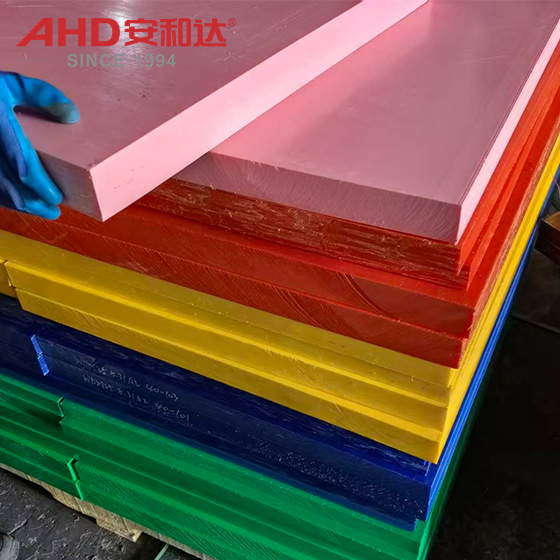
POM (Polyoxymethylene) sheets and rods are go-to engineering plastics for many industries—think machinery manufacturing, electronic appliances, and auto parts—thanks to their high strength, rigidity, wear resistance, and fatigue resistance. For purchasers and factory teams alike, they’re a core material in daily production. But there are two common headaches during cutting: tool sticking and stress cracking. These issues don’t just slow down processing or hurt product precision; they can waste material and drive up costs, which is why both purchasers and factory technicians need reliable solutions.
In this post, we’ll start with the basics of POM sheet and rod cutting, then walk through simple, actionable steps to fix tool sticking and stress cracking. We’ll keep things practical and straightforward—no overly technical jargon—so purchasers can better understand POM’s processing needs, and technicians can apply these tips right away.
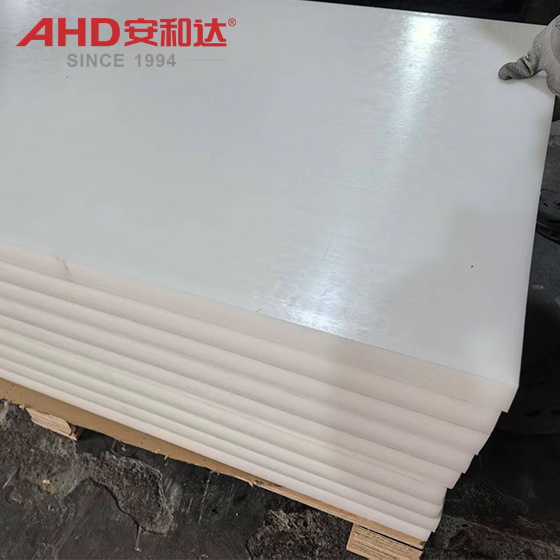 AHD POM Sheet (Polyoxymethylene Sheet)
I. Basic Prerequisites for POM Sheet and Rod Cutting
Before tackling tool sticking or stress cracking, it’s important to get the fundamentals right. This not only ensures smoother processing and fewer mistakes but also helps purchasers pick the right POM materials and factories standardize their workflows.
1. Understanding POM’s Processing Traits
POM is a thermoplastic, so it has a few key traits that impact cutting: first, it melts at a relatively low temperature (around 165-175℃), which means heat from cutting can soften or melt it quickly. Second, it’s dense, so cutting creates more friction—and that friction often leads to chips sticking. Third, many POM sheets and rods have residual stress from production, which can cause cracking if the material is stressed unevenly during cutting. For purchasers, choosing low-residual-stress, high-purity POM is a great way to cut down on processing issues from the start. For technicians, adjusting your approach to match these traits makes all the difference.
2. Pre-Cutting Preparation
A little prep work goes a long way in avoiding tool sticking and stress cracking. Here’s what we recommend for your team:
Step 1: Prep the material — Let your POM sheets and rods sit in a cool, dry area for 24 hours before cutting. This helps release any surface stress from shipping or storage, which prevents cracking once you start processing.
Step 2: Clean the surface — Wipe down the POM with a dry cloth to remove dust, oil, or other debris. Even small impurities can mess up cutting precision, wear down tools, or cause sticking.
Step 3: Check your equipment — Make sure your cutting machine is calibrated correctly, your tool is secured tightly, and the speed settings are right. Shaky equipment or loose tools lead to uneven pressure, which is a common cause of stress cracking.
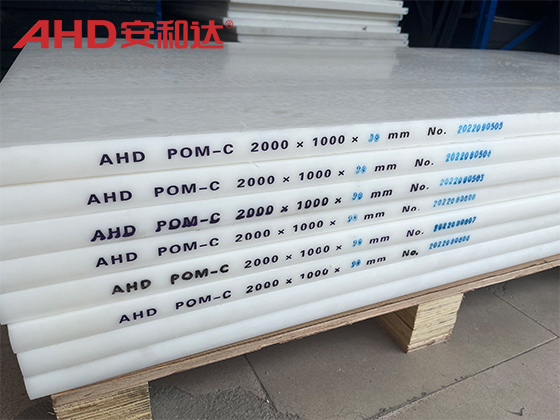
Polyacetal Sheet
II. Tips for Preventing Tool Sticking in POM Cutting
Tool sticking is hands down the most common issue when cutting POM. You’ll notice chips clinging to the tool’s edge, which makes cutting harder, leaves scratches on the product, and can even damage the tool over time. From our experience working with factories, these tips will help you fix the problem quickly.
1. Choosing the Right Tools
The tool you use is the biggest factor in preventing sticking.
Tool material — Go with carbide or diamond tools. They’re hard, wear-resistant, and have smooth surfaces that don’t stick to softened POM. Skip high-speed steel tools; they don’t handle heat well, so they’re more likely to get gunked up with melted POM.
Tool design — Look for tools with sharp edges and clear chip grooves. The grooves need to let chips escape easily—if they get stuck, they’ll build up on the edge and cause sticking. A quick polish on the tool’s edge can also help reduce adhesion.
2. Step-by-Step to Stop Tool Sticking
Step 1: Use a little cutting oil — Before you start, put a small amount of engineering plastic cutting oil on the tool’s edge. This creates a thin protective layer that reduces friction and keeps POM from sticking. Just don’t overdo it—too much oil can stain the product.
Step 2: Keep the speed steady — Don’t crank up the cutting speed too high; that generates too much heat, which melts the POM and makes it stick. But don’t go too slow, either—slow speeds create more friction and let chips pile up. Find a steady, consistent speed that works for your setup.
Step 3: Clean the tool regularly — Pause the machine every so often and use a dry brush to wipe off chips from the tool’s edge. If chips build up too long, they’ll stick for good. Always turn off the machine before cleaning to stay safe.
3. Quick Fixes for Sticking Tools
If you’re already dealing with tool sticking, check two things first: Is the tool edge dull? If so, replace it or sharpen it. Is the cutting speed too fast? Slow it down a bit and see if the sticking improves. Most of the time, these small adjustments fix the problem.

AHD POM Rod(Polyoxymethylene Rod)
III. Tips for Preventing Stress Cracking in POM Cutting
Stress cracking is more serious than tool sticking—it can ruin an entire piece of POM, wasting material and time. You’ll see small cracks on the product’s surface, and in worst cases, the whole piece can break. Purchasers need to watch for stress-stable POM, and technicians need to follow these steps to avoid cracking.
1. Why Stress Cracking Happens
Stress cracking usually comes from two places: First, the POM itself might have residual stress from manufacturing. If the supplier didn’t properly relieve that stress, cutting will put extra pressure on the material and cause cracks. Second, uneven pressure during cutting—like using too much force, shaky equipment, or a dull tool—can create stress points that lead to cracking.
Step-by-Step to Avoid Stress Cracking
Step 1: Go easy on the cutting force — Use a “light cutting, slow feeding” approach. Don’t try to cut too deep in one pass; that puts too much stress on the POM. Instead, make smaller, gradual cuts until you get to the size you need.
Step 2: Keep the process stable — Make sure your machine isn’t shaking, and your tool is tight. Avoid changing the speed or feed rate too often while cutting—consistency keeps the pressure even, which prevents stress buildup.
Step 3: Post-process the product — After cutting, let the POM sit in a cool, dry area for 12-24 hours. This lets any stress from cutting release slowly, so the product won’t crack later when you use it.
Tips for Purchasers to Avoid Stress Cracking
The best way to avoid stress cracking is to pick the right POM from the start. Choose a reputable supplier that uses proper stress-relief processes( like AHD Polymer), and ask for a test report to confirm the residual stress is within acceptable limits. Also, pick POM with hardness and density that matches your processing needs—using the wrong type can lead to more cracking.

Polyacetal Rod
IV. Summary: Key Takeaways for POM Cutting
For technicians, the secret to smooth POM cutting is simple: prep the material, choose the right tool, and follow steady, consistent steps. That’s how you avoid tool sticking and stress cracking, speed up processing, and make better-quality products. For purchasers, understanding these traits helps you pick POM that’s easier to process, which saves time and money in the long run.
Cutting POM isn’t complicated, but it does require attention to detail. From prepping the material to cleaning the tool, every small step matters. We hope these tips help your team cut POM more efficiently and avoid common headaches.
If you need more advice on choosing POM sheets and rods, matching them with the right equipment, or have questions about specific sizes, feel free to reach out. We’re here to help you find the best solutions for your needs.
Colorful POM Shet and Rod