

When it came to specifying transparent materials, glass was king. For decades, it was the only game in town. Standard for machine guards, architectural glazing and protective enclosures. But if you’ve ever walked a manufacturing floor or looked at an EV interior design in 2026, you’ve likely noticed a difference. Engineers aren’t just thinking about cast acrylic sheet (PMMA Sheet), they are specifying them over traditional glass.
But this is not just a swap. As material science has advanced, the choice has become more complex. Here’s the engineering lowdown on why cast acrylic is nabbing contracts in 2026—and the critical circumstances where you should definitely stick with glass.
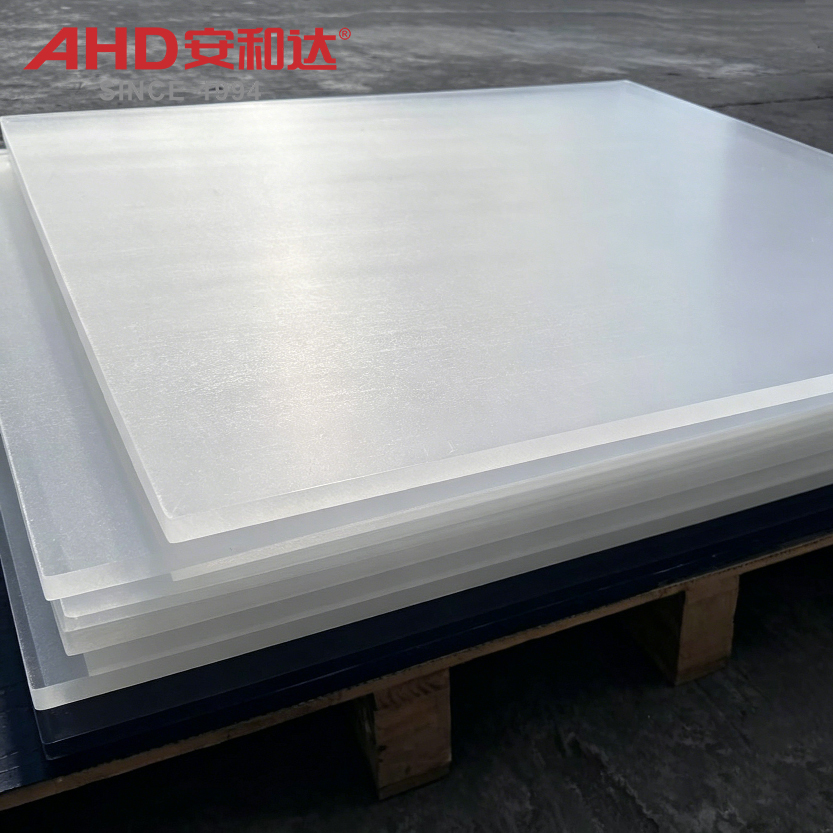
Acrylic Plastic Sheet with Protective Film
Glass and cast acrylic: Core engineering comparison
You have to have data before you change material. Both are transparent , but their physical properties lead to very different use cases .
| Property | Cast Acrylic (PMMA) | Tempered Glass | Engineering Verdict |
| Density | 1.19 g/cm³ | ~2.5 g/cm³ | Acrylic is ~50% lighter. |
| Impact Resistance | 10–17× stronger | Moderate (shatters) | Acrylic is superior for safety. |
| Light Transmittance | 92% | 88–91% | Acrylic offers purer optics. |
| Surface Hardness | ~3 Mohs | ~5.5 Mohs | Glass wins. Acrylic scratches easier. |
| Thermal Expansion | High (~8× glass) | Low | Acrylic requires expansion gaps. |
| Fabrication | Drill, route, thermoform, bond | Cut only (pre-tempering) | Acrylic allows complex shapes. |
| Max Service Temp | ~90°C (194°F) | ~250°C+ | Glass wins for high heat. |
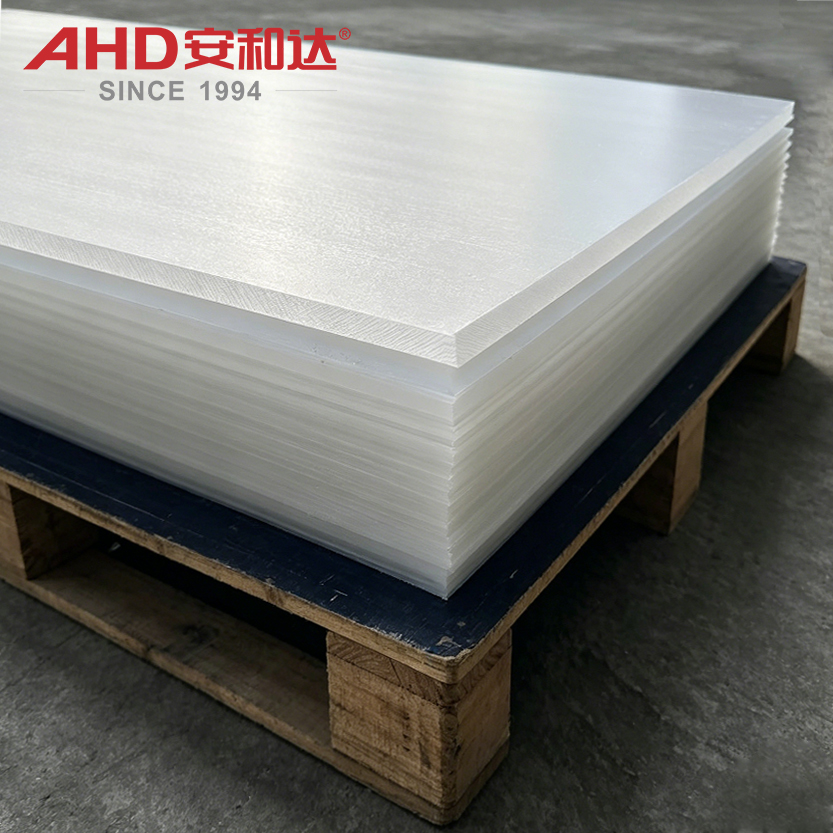
Why 2026? The Trends Behind the Shift
There are three factors that have converged in 2026 to bring PMMA to the forefront:
The Weight-to-Safety Ratio: With EV manufacturers obsessed with reducing weight and safety regulators tightening shard-protection laws, acrylic provides an alternative that doesn't shatter into lethal shards.
Advanced Coatings New nano-ceramic hard-coats have narrowed the gap in scratch-resistance, overcoming the historic weakness of the plastics.
Complex Geometry: Curves are required for modern machine guards and architectural features. Acrylic can be heat-formed, glass is hard to heat-form.
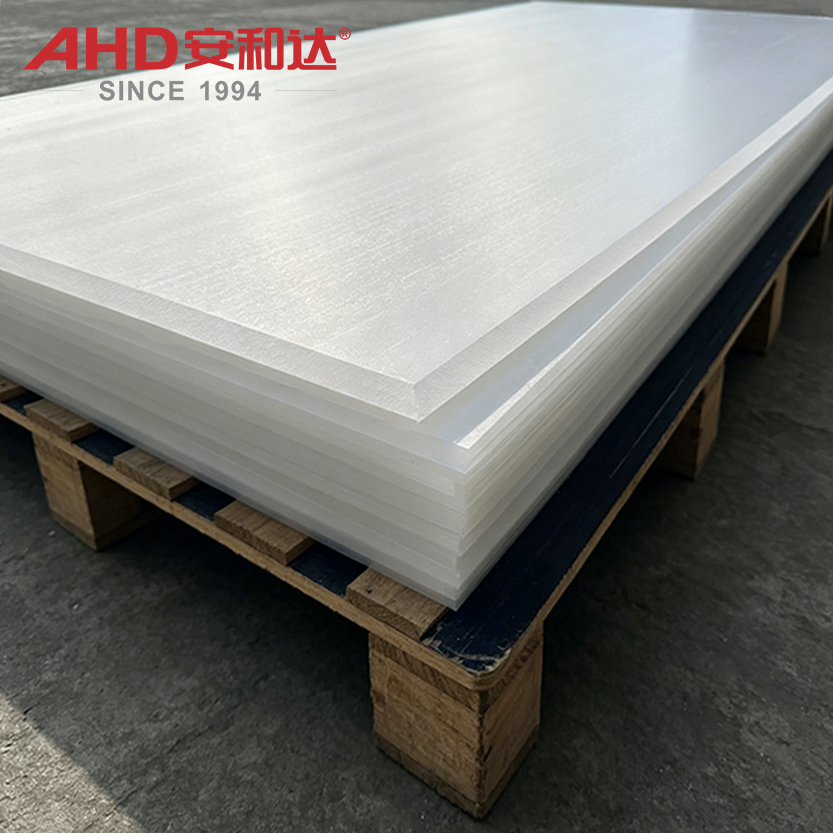
Where Engineers are Moving to Cast Acrylic in 2026
From our project consulations, here are the top applications where acrylic is the spec of choice right now:
Machine Safety Guards: Operators are protected from flying debris with high impact resistance without the risk of catastrophic failure of glass.
Transportation Interiors Fuel efficiency from EV charging station screens to train windows is compounded by weight savings.
Aquariums & Water Features: Large format cast acrylic allows for seamless bonding and greater tensile strength under pressure.
Retail & Museum Display Cases: Superior optical clarity, no green tint of standard float glass.
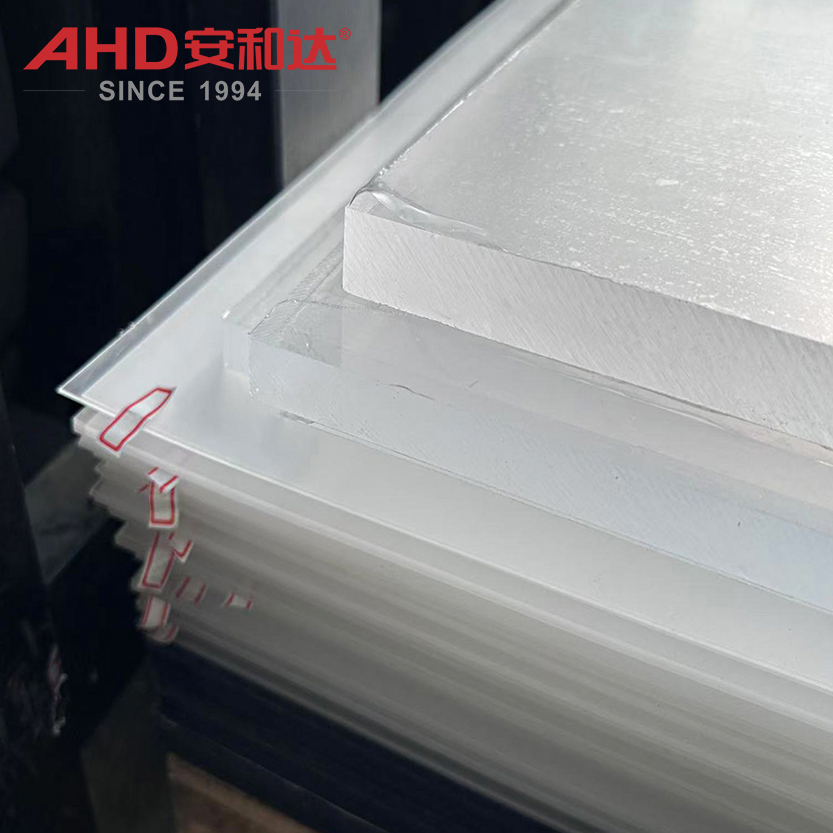
And When You Shouldn't: The Red Lines
As experts in extrusion and casting, we advise against using acrylic in these scenarios:
Structural Glazing: Acrylic has a low modulus of elasticity . Glass (or polycarbonate) is needed for load bearing walls or primary wind shear.
High heat environments: Acrylic will deform if your application involves sustained temps above 195°F (ovens, lighting fixtures, engine compartments).
Fire-Rated Egress Paths: Regular cast acrylic is flammable (UL 94 HB). I would check IBC and NFPA codes. In my experience fire rated glazing almost always requires glass.
Abrasive Cleaning Areas: If the surface will be scrubbled aggressively with industrial solvents or scrapers on a daily basis, glass is more durable.
Specification Checklist for 2026
If you decide to use cast acrylic, follow these rules to avoid field failures:
Allow for Movement. Always calculate for 8x the thermal expansion of glass. Never clamp all four edges of a large panel tightly.
Specify the Right Grade: For outdoor use specify UV stabilized cast acrylic. Specify abrasion-resistant (AR) coated sheets for high-abrasion areas.
Use Proper Cleaners: Avoid ammonia based cleaning products. Use a microfiber cloth and mild soap and water.
Thickness Calculation: A rule of thumb is that you need about 1.5x the thickness of tempered glass to get a similar deflection resistance.
Conclusion: Select the Right Tool
Glass is still the king of heat resistance and structural rigidity. But in applications where weight, impact safety and optical purity are the top priorities, cast acrylic sheets are the undisputed winner in 2026.
AHD provides industrial grade cast acrylic sheets. Whether you need standard clear sheets or custom-colored, UV-stable panels, our technical team can help you specify the right material for your needs.
People Also Ask
Q: Is it cheaper to cast acrylic than glass?
A: Material costs are often similar, but installation costs are lower due to the lighter weight and ease of fabrication.
Q: Does cast acrylic yellow in the sun?
Q: Will the acrylic yellow? A: Quality UV-stabilized cast acrylic, such as that provided by [Your Company] will not yellow for 10+ years. Extruded acrylics of lower grade can degrade faster.
Q: How do I drill holes in cast acrylic without cracking it?
A. Yes but you have to use drill bits designed for drilling plastic and support the material to prevent blowout. Do not use regular wood bits.