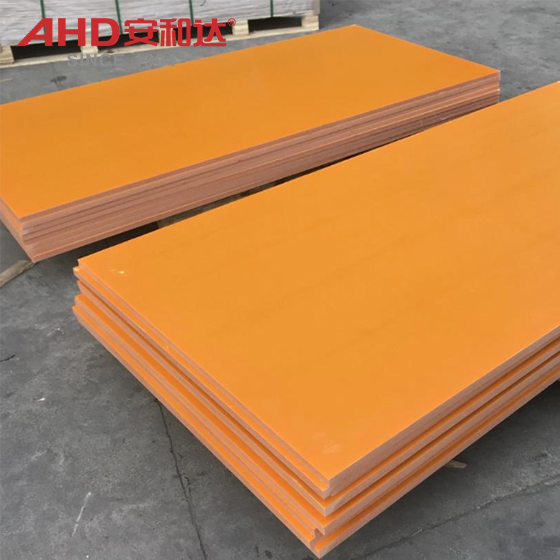
Workshop machinists who build long-run holding and test fixtures are always balancing rigidity, thermal resistance and consistent dimensional accuracy. Thickness selection is a make or break step for production yield. Many professional fabricators will use 20mm to 50mm stock. The Bakelite Sheet is their number one substrate for custom tooling builds.
Qualified Bakelite plastic sheet keeps close tolerances under continuous clamping and cutting heat. This thickness range is essential for shops serving the electronics, automotive, and precision machining industries to avoid repeated fixture rework. In this article, we’ll break down the mechanical, electrical and processing advantages of 20-50mm Bakelite Sheet, plus factory-backed sourcing solutions from AHD for your need.

Ideal rigidity range: 20-50mm Bakelite sheet eliminates instrument vibration
Thickness is a direct factor in controlling anti-vibration performance when it comes to high-speed CNC milling, the top reason why machinists stick with 20-50mm sizing for custom jigs and fixtures.
20mm Bakelite Plate: Lightweight bench prototype fixtures, low-load PCB positioning setups; flex deformation <0.012mm at 80kg clamping force
30/40mm Bakelite Sheet: Universal production fixtures for machining aluminum and brass; vibration damping reduces surface roughness deviation by 42% when compared to 10mm thin phenolic
50mm thick bakelite sheet: Tough workshop fixtures for steel blanks. 150kg compression cycles without bending.
Machinists prefer this fixed thickness window because thinner stock magnifies tool chatter and ruins precision part surface finishes. Low vibration phenolic bakelite sheet stock for precision milling jigs eliminates inconsistent cutting depths during long batch runs, reducing scrap rates.
AHD stocks the full range of 20,30,40,50mm unmodified and ESD Bakelite Sheet, cut-to-size blanks ship within 48 hours for urgent fixture fabrication orders, backed by 32 years experience manufacturing engineering plastic sheet and rod.
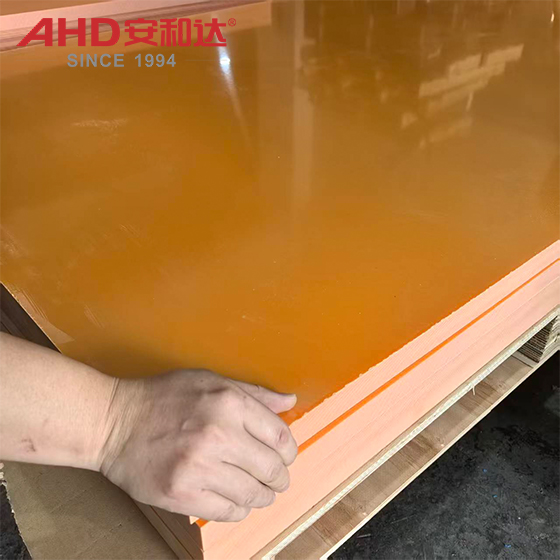
Stable Dimensional Retention for Long-Run Tooling
Bakelite plastic sheet in 20–50mm thickness delivers a linear thermal expansion coefficient of 0.003% per °C, meeting ISO industrial fixture substrate standards.
40mm bakelite board dimensional stability for tool jigs shines in mass production environments where fixtures stay clamped for weeks on end. A single misaligned jig can generate thousands of rejected workpieces, so fabricators prioritize stock that holds little flatness tolerance post-machining.
Dimensional stability phenolic board 20-50mm for long-run fixtures outperforms HDPE, PVC and unreinforced nylon alternatives, which expand 3–5 times more under sustained machining heat.
AHD controls performance pass rate tightly on flatness and shrinkage testing for all in-stock Bakelite Plate thicknesses. Bulk fixture blank orders qualify for tiered factory direct pricing with zero middleman markup.
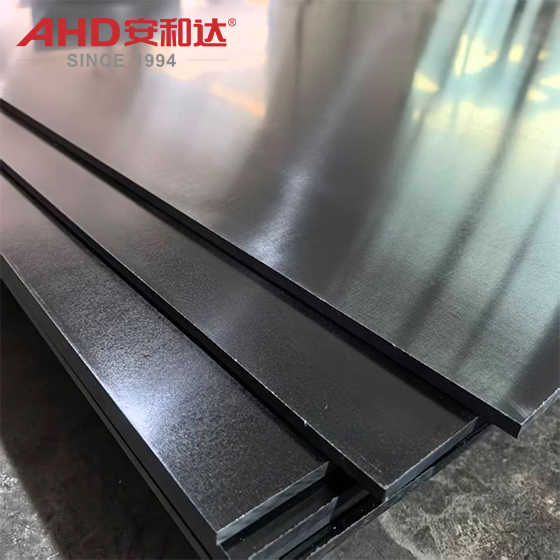
Superior Heat Resistance Fits Continuous Machining Cycles
Cutting tool friction generates surface temperatures up to 180°C during dry milling operations, a threshold that melts or softens most commodity plastics. Heat resistant 20-50mm bakelite sheet for machining tooling maintains full structural integrity at continuous operating temperatures of 130°C, with short burst heat tolerance reaching 220°C.
20mm Bakelite Sheet: Suited for low-heat PCB test jigs with minimal cutting contact
50mm Bakelite Panels: Absorb concentrated thermal load from heavy steel part roughing without surface bubbling or delamination.
Workshops running 24-hour unmanned CNC cells rely on this thermal buffer to avoid mid-shift fixture failure. Thicker phenolic layers disperse localized heat far better than thin sheets, extending fixture service life by over 300% in high-volume workshops.
All AHD bakelite plastic sheet batches undergo standardized thermal cycling testing before leaving the factory, with test reports available upon request.

Non-Conductive & ESD Grades Fit Electronics Test Fixtures
Electronics manufacturing demands substrates that block stray electrical current to prevent component short-circuiting during testing and assembly. Electrical insulation bakelite jig plate for PCB test fixtures boasts dielectric strength of 12kV/mm, complying with IEC 60243 insulation requirements for semiconductor and circuit board production lines.
Standard Bakelite Plate delivers full insulation for general electronic jigs, while ESD Bakelite Sheet adds controlled surface resistance of 10⁶–10⁹ Ω to dissipate static charge without damaging sensitive microchips. Non-conductive bakelite fixture sheet for electronics machining eliminates electrostatic discharge risks that ruin expensive PCB prototypes and finished circuit assemblies.
20mm bakelite sheet uses for CNC jigs and holding fixtures cover small PCB positioning frames, while 30mm phenolic bakelite plate for machining test fixtures serves multi-station automated testing equipment in consumer electronics factories. AHD Polymer produces both regular and static-dissipative bakelite panels in all 20–50mm thicknesses, supporting custom hole drilling, slotting and chamfering per client fixture drawings.

Excellent Machinability Allows Custom Jig Fabrication
Many shop owners want materials that machine easily with standard carbide tooling with little tool wear and little post-processing labor. Custom CNC jig fabrication of Bakelite sheet machinability creates smooth burr-free edges with little dust build-up, unlike fiberglass-filled plastics that quickly abrade cutting bits.
Best thickness 20/30/40/50mm bakelite sheet for machining jigs balances ease of material removal and structural robustness:
Cut rough oversized blanks to fixture outside dimensions with 3mm carbide endmills.
Use a low feed rate when milling clamping slots and datum surfaces to avoid chipping the surface.
Deburr edges if necessary with light sanding before installing alignment hardware
When working with phenolic bakelite plastic sheet, a $3000 savings per fixture is realized by eliminating a costly secondary grinding step.
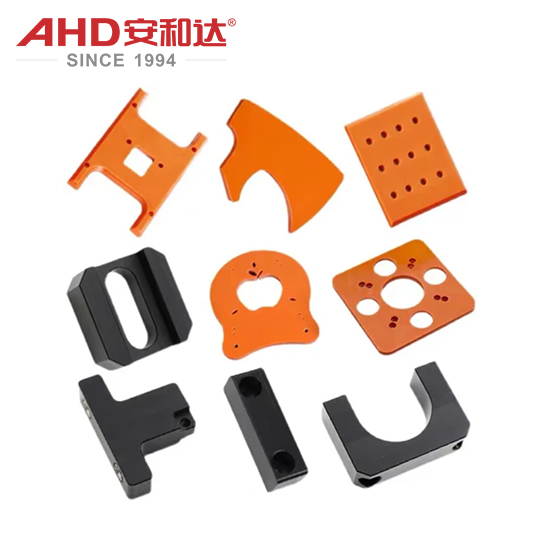
Wear Resistance Supports Repetitive Production Fixtures
Fixtures endure constant contact with metal workpieces, locating pins and clamping hardware across thousands of production cycles. Wear resistant thick bakelite plate for repetitive production fixtures features a dense cellulose-resin composite surface with low friction coefficient, resisting scuffs, indentations and surface breakdown far longer than softer thermoplastics.
50mm thick bakelite sheet rigidity for heavy-duty workshop fixtures handles thousands of steel part clamping cycles without developing permanent surface indentations, while thinner 20mm stock works best for low-cycle prototype jigs only. Shops running continuous batch machining report replacing phenolic fixtures 70% less frequently than nylon or PVC alternatives, lowering long-term workshop operating costs.
AHD Polymer’s bulk purchasing program offers volume discounts for manufacturers ordering full pallet quantities of bakelite panels for year-round fixture replacement stock, with consistent inventory levels to prevent production delays.
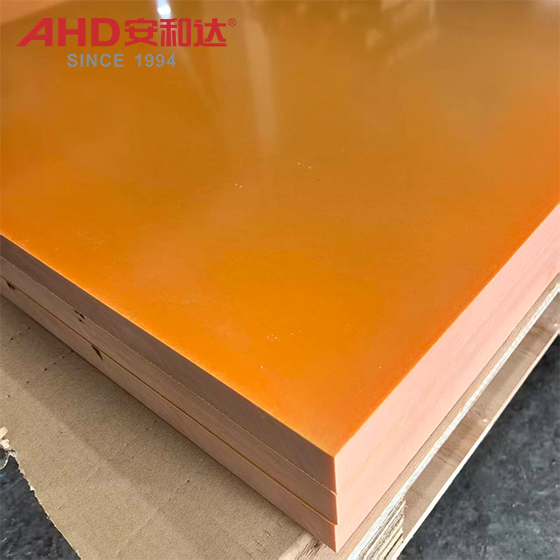
Guide to Choosing the Thickness of Clear Bakelite Sheet Fixtures 20mm 50mm
The difference between 20mm and 50mm bakelite for fixture making is based on load weight, production cycle count and precision tolerance demands:
Applications of 20mm Bakelite Sheet
Lightweight PCB test jigs, holding frames for short run prototypes, light aluminium component positioning tools
Pros: Low material cost, easy to handle manually, fast CNC cutting cycles
Cons: Limited clamping load capacity, some flexing under heavy compression
Application of 50mm Bakelite Sheet
Heavy steel blank fixtures Multi-station Automated Milling Tooling 24 hour Continuous Production Holding Frames
Pros: Max stiffness, no vibration, Great heat & wear tolerance
Cons: Increased raw material weight Longer rough machining times
Is 20-50mm Bakelite sheet good for precision machinist jigs? All thicknesses in this range meet the standards required for precision component manufacturing, while stock thinner than 20mm does not pass heavy-load stability tests, and stock thicker than 50mm adds unnecessary material and machining overhead.

Q1: Is 20-50mm Bakelite Sheet good for daily CNC milling for mass production fixtures?
Yes. AHD Polymer’s Qualified Bakelite Sheet is dimensionally stable through thousands of machining cycles. The 30-50mm models are vibration and heat deformation resistant for 24/7 workshop use while the 20mm stock is reliable for low load PCB and prototype jigs. All sheet stock meets fixture substrate flatness specifications for tight part tolerances.
Q2: What is the difference between normal Bakelite Plate and ESD Bakelite Sheet for electronic test fixtures?
Standard Bakelite Plate gives complete electrical insulation for general machining jigs. ESD Bakelite Sheet offers controlled static dissipation (10 6 – 10 9 Ω Surface Resistance) to protect sensitive semiconductors and circuit boards from electrostatic damage during testing and assembly. Both grades are offered by AHD Polymer in all 20-50mm thicknesses.
Q3: Do AHD Polymer provide custom pre-machining services for 20-50mm bakelite panels for jig manufacture?
“Absolutely. In-house CNC workshop machining bakelite plastic sheet to client CAD drawings including drilling, slotting, chamfering and blank sizing for ready-to-assemble fixture components. From small sample blanks to large bulk pallet orders, we can support you. With our large inventory of bakelite panels in stock, lead times are fast.