

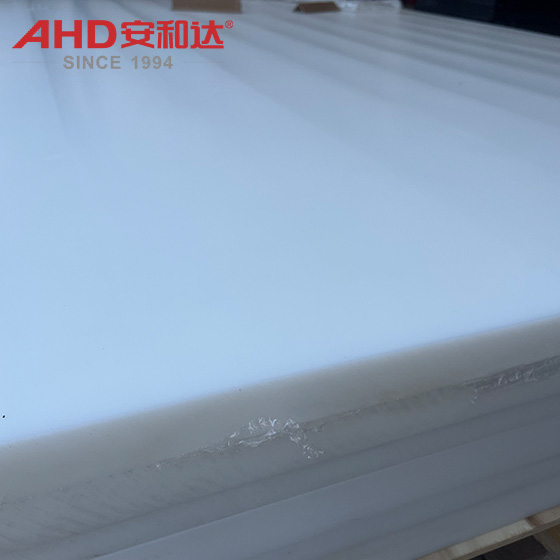
LDPE (low-density polyethylene), HDPE (high-density polyethylene), and UPE (often referred to as ultra-high molecular weight polyethylene, UHMWPE) all belong to the polyethylene (PE) family. However, due to significant differences in molecular structure and molecular weight, they differ in physical properties, processing characteristics, and application areas. The following compares and analyzes their similarities and differences from the perspectives of characteristics, advantages, and application areas:
Core differences: molecular structure and basic parameters
| Types | LDPE (Low-Density Polyethylene) | HDPE (High Density Polyethylene) | UPE (Ultra-High Molecular Weight Polyethylene, UHMWPE) |
| Molecular structure | Many long chain branches, high branch density (short/long branches) | Almost no branches, linear structure | Linear structure, extremely high molecular weight (1 million to 5 million) |
| Density (g/cm³) | 0.91-0.93 | 0.94-0.96 | 0.93-0.94 (similar to HDPE, but with a higher molecular weight) |
| Crystallinity | 40%-60% (low crystallinity) | 70%-90% (high crystallinity) | 70%-85% (high crystallinity, but more complex molecular chain entanglement) |
| Melting Point (°C) | 105-115°C | 120-130°C | 130-138°C (slightly higher than HDPE) |
| Molecular weight (10,000) | 10-50 | 10-30 | 100-500 (or even higher) |
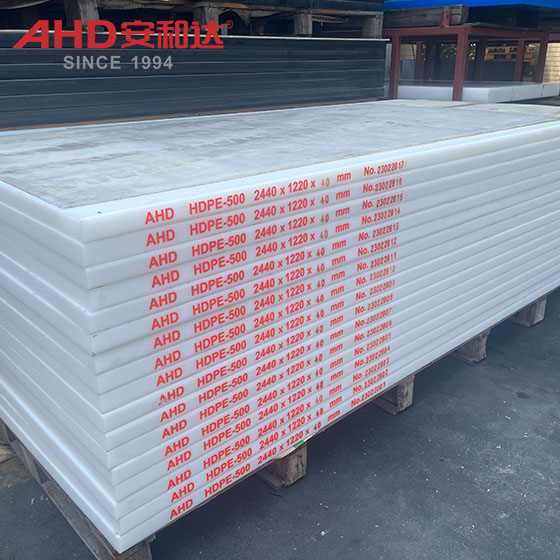
AHD high density polyethylene sheet (HDPE sheet)
Characteristics, Advantages, and Application Comparison
1. LDPE (Low-Density Polyethylene)
• Characteristics:
Soft, tough, high transparency (due to low crystallinity), good low-temperature resistance (remains flexible at -50°C), but poor rigidity, average heat resistance (long-term operating temperature ≤ 80°C), and easy scratching.
• Advantages:
Excellent processing performance (good melt flowability), easy molding (such as blown film and extrusion); excellent electrical insulation; non-toxic, odorless, and food contact compliant.
• Applications:
Mainly used in flexible packaging (such as food plastic bags, cling film, agricultural film), wire and cable insulation (low dielectric constant), injection molded parts (such as toys and bottle cap linings), and other applications requiring high flexibility.
2. HDPE (High-Density Polyethylene)
• Characteristics:
High rigidity, high hardness, and excellent stress crack resistance. Its mechanical strength (tensile strength 20-40 MPa) is superior to LDPE. Its low-temperature resistance (-50°C) is similar to LDPE, but its heat resistance is slightly higher (long-term operating temperature ≤ 100°C). Its transparency is lower (it has a high degree of crystallinity).
• Advantages:
Low cost (easy raw material preparation), strong chemical resistance (resistant to most acids, bases, and salts), superior abrasion resistance to LDPE, and easy molding through processes such as blow molding, extrusion, and injection molding.
• Applications:
It is used in rigid packaging and containers (such as beverage bottles, oil drums, and dairy product packaging), pipes (water pipes, drainage pipes, and gas pipes), and industrial products (transfer containers, pallets, and bottle caps), where high strength and rigidity are required.
3. UPE (Ultra-High Molecular Weight Polyethylene, UHMWPE)
• Characteristics:
A typical material that "uses softness to overcome hardness": extremely high wear resistance, superior impact resistance (notched impact strength is over 10 times that of HDPE), excellent low-temperature resistance (no brittle cracking at -150°C), and self-lubricating properties (friction coefficient close to that of polytetrafluoroethylene). However, it has relatively low hardness (Rockwell hardness approximately 50-60R) and average heat resistance (long-term operating temperature ≤ 80°C).
• Advantages:
Overall performance ceiling: Wear resistance, impact resistance, self-lubrication, corrosion resistance, and non-toxicity (can be used in the medical field). Disadvantage: Processing difficulty (high molecular weight leads to extremely high melt viscosity, requiring specialized processing).
• Applications:
Used in high-wear applications, bulletproof and protective applications , medical applications, and marine engineering applications, among other extreme operating conditions.
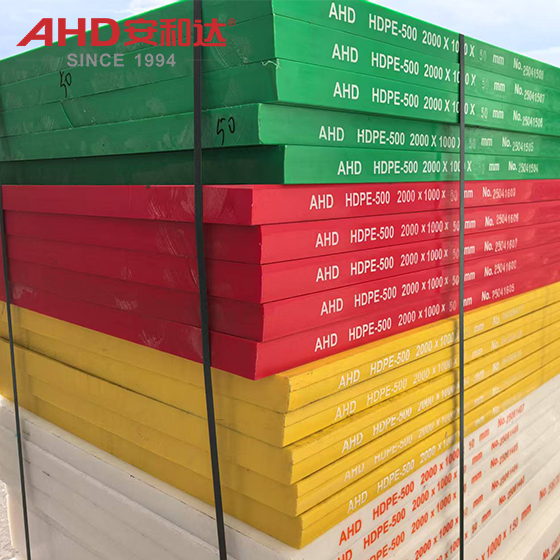
Summary of Similarities and Core Differences
Similarities:
1. Basic Properties: Both are thermoplastics, non-toxic, odorless, and recyclable.
2. Chemical Stability: Resistant to most acids, bases, and salts (except strong oxidizers such as concentrated nitric acid and sulfuric acid), and resistant to non-polar solvents.
3. Electrical Insulation: Both are excellent electrical insulating materials, suitable for applications such as wire and cable.
4. Low-Temperature Resistance: Retains a certain degree of toughness even at low temperatures.
Core differences:
| LDPE | HDPE | UPE(UHMWPE) | |
| Core Advantages | Soft, easy to process, transparent | High rigidity, high strength, low cost | Super wear-resistant, impact-resistant, self-lubricating |
| Key Limitations | Poor rigidity and low heat resistance | Average abrasion resistance and low transparency | Difficult to process and high cost (approximately 5-10 times that of ordinary PE) |
| Applications | Flexible packaging, films | Rigid containers, tubing | Extreme wear parts, ballistic protection, medical implants |
The choice between LDPE, HDPE, and UPE is essentially a balance between performance and cost:
• Choose LDPE when softness and easy molding are required (e.g., packaging);
• Choose HDPE when strength and rigidity are required (e.g., pipes and containers);
• Choose UPE even if the cost is higher when extreme wear and impact resistance is required (e.g., mining and medical applications).