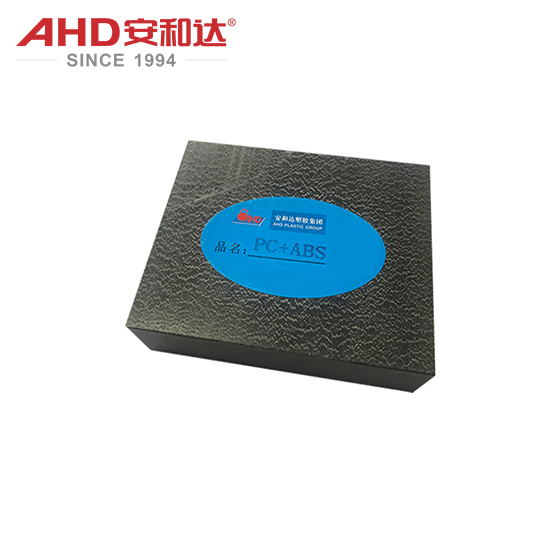
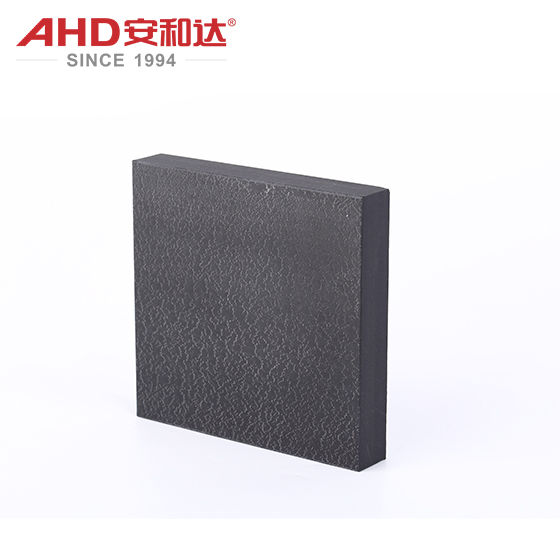
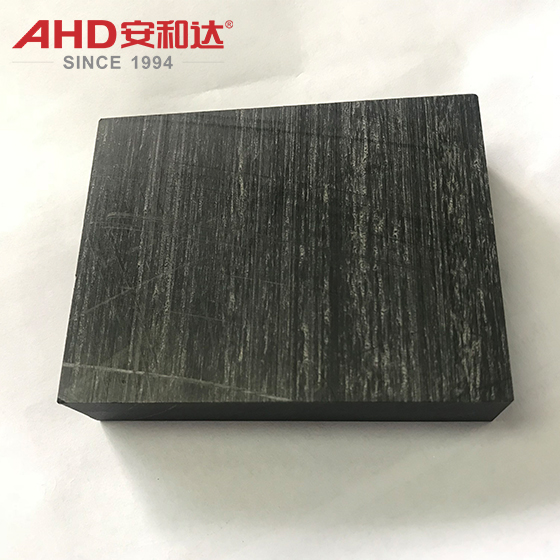
ABS-PC sheet is a composite sheet made from acrylonitrile-butadiene-styrene copolymer (ABS) and polycarbonate (PC) through a modified blending process, then extruded or molded. It combines the advantages of both ABS and PC while addressing the shortcomings of either material alone. It is an engineering plastic sheet with outstanding overall performance and is widely used in home appliances, electronics, automotive, and other fields.
Definition of ABS-PC Sheet
ABS (Acrylonitrile-Butadiene-Styrene) is a terpolymer of acrylonitrile (A), butadiene (B), and styrene (S). It features easy processing, high toughness, and low cost, but suffers from poor heat resistance (HDT approximately 90-105°C) and weather resistance.
PC (Polycarbonate) is a polycarbonate that offers high heat resistance (HDT approximately 130-140°C), high impact strength, and transparency, but suffers from low processing fluidity and high cost.
ABS-PC sheet is produced by blending ABS and PC in a specific ratio (typically 20%-40% ABS, 60%-80% PC). The mixture is melt-blended and pelletized in a twin-screw extruder, and then formed into sheet by extrusion or compression molding. This blending modification combines the easy processing of ABS with the heat resistance and toughness of PC, while remaining less expensive than pure PC.
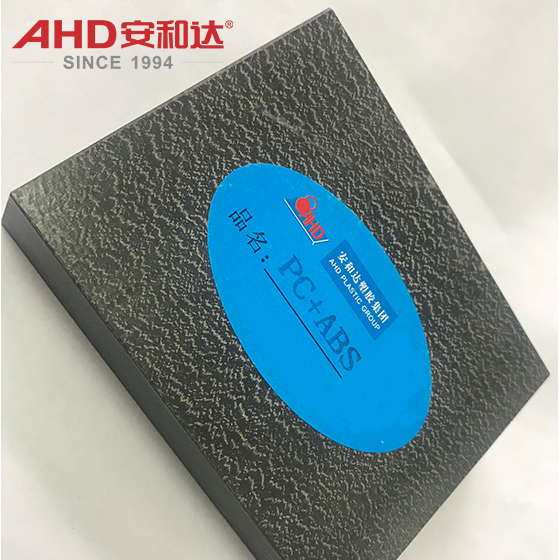
ABS-PC Sheet Production Process
The ABS-PC sheet production process primarily involves three core steps: raw material pretreatment → blending and modification → molding and processing:
1. Raw Material Pretreatment
• ABS and PC must first be dried (usually at 80-100°C for 4-6 hours) to prevent hydrolysis and degradation caused by moisture.
• The ratio of the two materials can be adjusted based on target performance (for example, if higher heat resistance is required, the PC ratio can be increased; if better processability is required, the ABS ratio can be increased).
2. Blending and Modification
• The dried ABS and PC are fed into a twin-screw extruder (at 220-260°C) and melt-blended to achieve partial compatibility between their molecular chains.
• Additives (such as impact modifiers, flame retardants, weathering agents, and lubricants) can be added to optimize performance.
3. Molding Processing
• Extrusion: The blended melt is extruded through an extruder die and rolled over cooling rollers into a sheet (typically 3-120 mm thick and 1000 mm or 2000 mm wide).
• Compression Molding (less commonly used): The blended pellets are heated to a molten state and then injected into a mold for compression molding. This method is suitable for sheets with special dimensions or high precision.
Core Characteristics and Advantages of PC ABS Sheet
The characteristics of ABS-PC sheet stem from the complementary properties of ABS and PC. Its advantages primarily lie in its balanced overall performance and reasonable cost.
1. Mechanical Properties
• High impact toughness: The rubber phase (butadiene) of ABS provides toughness, while the high molecular chain structure of PC enhances fracture resistance. Notched impact strength can reach 80-120 kJ/m² (much higher than pure ABS and slightly lower than pure PC).
• Good tensile/flexural strength: Tensile strength is 45-65 MPa (higher than pure ABS and close to pure PC), and flexural modulus is 2.0-2.8 GPa (between ABS and PC).
2. Thermal Properties
• Significantly improved heat resistance: The addition of PC increases the heat deformation temperature, making it suitable for applications requiring short-term heat resistance (such as high-temperature environments in home appliance housings).
3. Processability
• Easy Molding: ABS's low melt viscosity offsets PC's poor processing fluidity. Sheets can be molded through a variety of processes, including extrusion, injection molding, and thermoforming, making them suitable for complex structural parts.
4. Cost Advantage
• High Cost-Effectiveness: PC is significantly more expensive than ABS. ABS-PC sheets are less expensive than pure PC, while offering similar performance, making them suitable for the mid-range market.
Properties
Mechancial Properties Standard unit Test Data
Yield stress ASTM D638 Mpa 59
Elongation at break ASTM D638 % 54
Flexural strength ASTM 790 Mpa 65
Flexural modulus ASTM 790 Mpa 2300
Impact strength ASTM D256 J/M 300
Shore hardness ASTM D2240 scale D 83
Properties Standard unit Test Data
Melting temperature DSC °C 180
Coefficient of linear thermal expansion ASTM D696 10-6 / K 90
Service temperature, long term Average °C 90
Service temperature, short term (max.) Average °C 120
Heat deflection temperature ASTM D648 °C 90
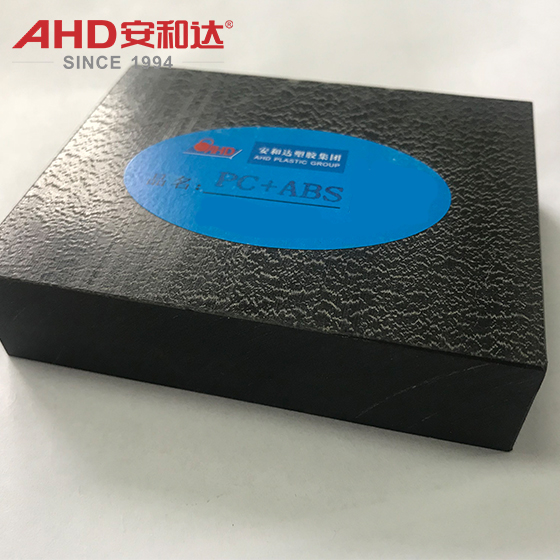
Precautions for Using ABS-PC Sheets
To avoid the above shortcomings, specific control conditions must be implemented during use. The following are key considerations:
1. Enhanced Weathering Protection for Outdoor Applications
• Weathering Agent Addition: UV absorbers, light stabilizers, or carbon black should be added for outdoor use to extend weathering life.
• Surface Coating Protection: Applying a polyurethane (PU) or acrylic protective paint blocks UV rays and oxygen, making it suitable for long-term outdoor use (such as building visors and bus shelter roofs).
2. Avoid Contact with Highly Corrosive Media
• Limited Usage Environments: Avoid contact with highly polar solvents (such as acetone and ethyl acetate), concentrated acids/bases (such as concentrated sulfuric acid and sodium hydroxide solutions), and highly concentrated oils (such as industrial lubricants).
• Surface Treatment to Enhance Chemical Resistance: For use with mildly corrosive substances, a fluorocarbon coating (PVDF) can be applied to enhance solvent resistance.
3. Control Processing Temperature and Time
• Optimize Process Parameters: During extrusion/injection molding, the processing temperature is recommended to be between 230-250°C. The screw speed should be kept within a certain range, and the material residence time in the barrel should be minimized (single residence time <5 minutes).
• Drying: The raw materials must be thoroughly dried (both ABS and PC should be dried to a moisture content of <0.05%) to prevent hydrolysis-induced molecular chain breakage (manifested as silver streaks and bubbles on the surface of the finished product).
4. Adjust the ABS to PC Ratio Based on the Scenario
• For heat resistance: Increase the PC ratio to raise the overall HDT to above 120°C.
• For processing: Increase the ABS ratio to reduce melt viscosity and improve flowability.
• For transparency: Blend high-transparency PC with transparent ABS, or use a halogen-free flame retardant.
5. Regular maintenance is required for long-term use.
• Outdoor panels: Inspect the surface every 2-3 years for chalking and yellowing. Reapply if the protective coating has failed.
• Industrial components: Avoid prolonged exposure to static loads and regularly check impact toughness.
6. Recycling requires separate processing.
• Single-material recycling: Try to recycle separately from other types of plastics (such as PP and PVC) to avoid mixing and deteriorating the performance of the recycled material.
• Downgraded use: Recycled materials can be used in applications with lower performance requirements. They are not recommended for applications with high heat resistance or high impact.
Common Applications of ABS-PC Sheets
Thanks to its balanced performance and affordable cost, ABS-PC sheets are widely used in applications requiring high overall performance but not requiring extreme weather or heat resistance:
1. Electronics and Electrical Appliances
• Housings and Structural Parts: Laptop/Monitor Frames, Printer/Copier Housings, Keyboard Docks, Home Appliances (Washing Machine Control Panels, Air Conditioner Vents);
• Accessories: Mobile Phone Cases, Camera Tripods, Router Housings (balancing aesthetics and drop resistance).
2. Automotive
• Interior Parts: Instrument Panels, Door Liners, Glove Boxes, Center Console Trim (requires heat and impact resistance);
• Exterior Parts: Spoilers and Headlight Housings for some models (requires weather-resistant modified versions).
3. Industrial and Consumer Goods
• Industrial Components: Toolboxes, instrument housings, protective panels (impact-resistant, easy to process);
• Consumer Goods: Furniture decorative panels, toys (such as Lego-style building blocks), advertising light boxes (high gloss, easy to print).
ABS-PC sheet is a typical example of a modified blend of ABS and PC. Its combination of rigidity and flexibility overcomes the shortcomings of pure ABS's limited heat resistance and the processing difficulties of pure PC, making it the preferred choice for mid-range engineering plastic sheet in the electronics, automotive, and home appliance sectors. The ABS-to-PC ratio should be adjusted based on specific requirements (such as heat resistance, appearance, and cost), and performance can be further optimized by adding additives (such as flame retardants and weathering agents).