

Conductive PTFE (conductive polytetrafluoroethylene) and ESD PTFE (antistatic polytetrafluoroethylene) are not identical concepts, but they do have a mutually exclusive relationship. ESD PTFE is a subcategory of conductive PTFE, focusing on antistatic properties; conductive PTFE, on the other hand, covers a wider range of conductive needs, from antistatic to high conductivity. The following details the distinction based on definition, resistivity range, core objectives, and application scenarios:
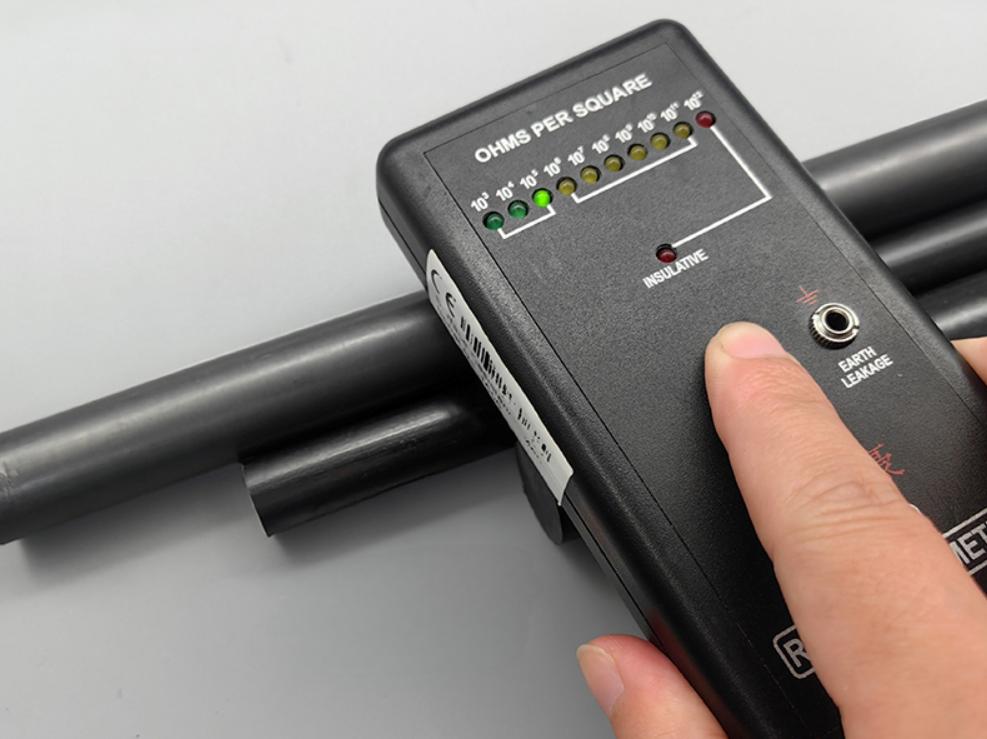
Definition and Core Objectives
1. ESD PTFE (Anti-static Polytetrafluoroethylene)
ESD stands for "Electrostatic Discharge." The core objective of ESD PTFE is to prevent static discharge (such as sparks, electromagnetic interference, or damage to sensitive components) caused by static electricity accumulation by controlling the material's surface and volume resistivity. Its design focuses on suppressing static electricity generation and rapidly dissipating it, making it a "functional anti-static material."
2. Conductive PTFE
The core objective of conductive PTFE is to impart electrical conductivity (i.e., reduce resistivity), enabling it to conduct current or shield electromagnetic fields. Conductive PTFE offers a wider range of resistivities (from 10⁰ to 10¹¹ Ω/sq), encompassing both "anti-static" (ESD) grades and "highly conductive" grades (e.g., for electromagnetic shielding and conductive connections).
Differences in Resistivity Range
Resistivity is the key metric that distinguishes the two (unit: Ω/sq, surface resistivity Ω):
ESD PTFE: Surface resistivity is strictly limited to 10⁶~10¹¹ Ω/sq (meets ESD protection standards). This range effectively conducts static electricity (preventing accumulation) while preventing excessive conductivity that could cause rapid charge leakage (potentially interfering with precision electronic equipment).
Conductive PTFE: Surface resistivity ranges from 10⁰~10¹¹ Ω/sq. Among these:
• 10⁶~10¹¹ Ω/sq: "Antistatic grade" (i.e., ESD PTFE);
• 10⁰~10⁵ Ω/sq: "Highly conductive" (e.g., metal-filled PTFE, used for electromagnetic shielding or conductive paths).
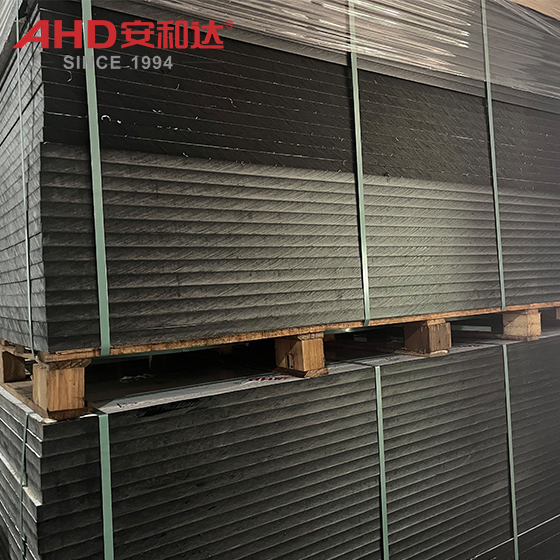
Filler Selection and Process Focus
Although both achieve conductivity through the addition of conductive fillers (such as carbon black, carbon nanotubes, and metal powders), the process objectives and filler selection differ:
1. ESD PTFE
Filler Selection:
Primarily carbon black (low cost, good dispersibility), or a small amount of carbon nanotubes (balancing conductivity and mechanical properties). Metal fillers are rarely used in ESD applications due to their susceptibility to oxidation and high density.
Process Focus:
• Ensure uniform filler dispersion to form a continuous and stable conductive network (avoiding localized resistance that is excessively high or low);
• Control filler content (typically 5%-15%) to maintain resistivity within a strict range of 10⁶-10¹¹ Ω/sq;
• Emphasize "long-term performance" (preventing the conductive network from failing due to wear and aging).
2. Conductive PTFE
• Filler Selection: Flexible adjustment based on conductivity requirements, including:
• Low conductivity requirements (ESD grade): Carbon black, carbon nanotubes;
• High conductivity requirements (such as electromagnetic shielding): Metal powder, metal fiber, or highly structured carbon nanotubes (a dosage of 1%-5% can achieve 10⁰-10² Ω/sq).
Key Processing Key Points:
• High conductivity requires increased filler content or the use of highly conductive fillers;
• Metal fillers require surface treatment to prevent oxidation (otherwise, resistivity increases over time);
• Customized conductive network structures (such as aligned carbon nanotubes) are required in some scenarios to optimize conductivity.
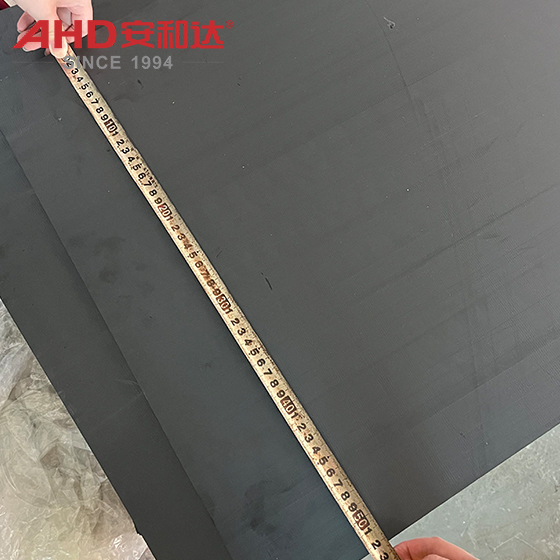
Conductive PTFE Plate
Differences in Application Scenarios
The differences in application between the two arise from differences in resistivity and conductivity:
1. Typical Applications of ESD PTFE
Focusing on "anti-static protection," it prevents static damage to sensitive components or the environment:
• Electronics and semiconductors: wafer carriers, LED chip carriers, and FPC (flexible printed circuit) processing jigs;
• Precision optics: laser equipment platforms and optical lens fixtures (anti-static to prevent dust absorption);
• Chemical/pharmaceuticals: anti-static reactor liners and drug dispensing trays (preventing dust explosions caused by static electricity);
• Medical equipment: surgical instrument trays and sterilization equipment carriers (resistant to disinfectant corrosion and anti-static).
2. Typical Applications of Conductive PTFE
Covering the full range of scenarios, from anti-static to high conductivity:
ESD-level applications: Wafer carriers, precision instrument fixtures;
High conductivity applications:
• Electromagnetic shielding (EMI/RFI shielding): 5G equipment antenna covers, satellite shielding chambers (surface resistivity 10⁰-10² Ω/sq, shielding effectiveness >60 dB);
• Conductive connections: Conductive slip rings, conductive rings for robotic joints (low resistance, wear resistance);
• Electrolysis/electrochemistry: Fuel cell diaphragms, chlor-alkali industrial electrolyzers (requires electrical conductivity and strong corrosion resistance);
• Sensors: Conductive housings for automotive radars, conductive substrates for humidity sensors (heat and oil resistance).
Summary: The Relationship Between Inclusion and Subsumed
ESD PTFE is a subcategory of Conductive PTFE: All ESD PTFEs fall under the category of Conductive PTFE (due to their conductivity), but only cover the "antistatic" range of Conductive PTFE with a resistivity of 10⁶ to 10¹¹ Ω/sq.
Conductive PTFE is a broader concept: it encompasses both ESD-grade (antistatic) and highly conductive grades (such as electromagnetic shielding), allowing for greater flexibility in application scenarios and filler selection.
In short: ESD PTFE is "conductive PTFE specifically for antistatic applications," while Conductive PTFE is "a general term for PTFE with conductive properties." The two are in a "subcategory to general category" relationship.