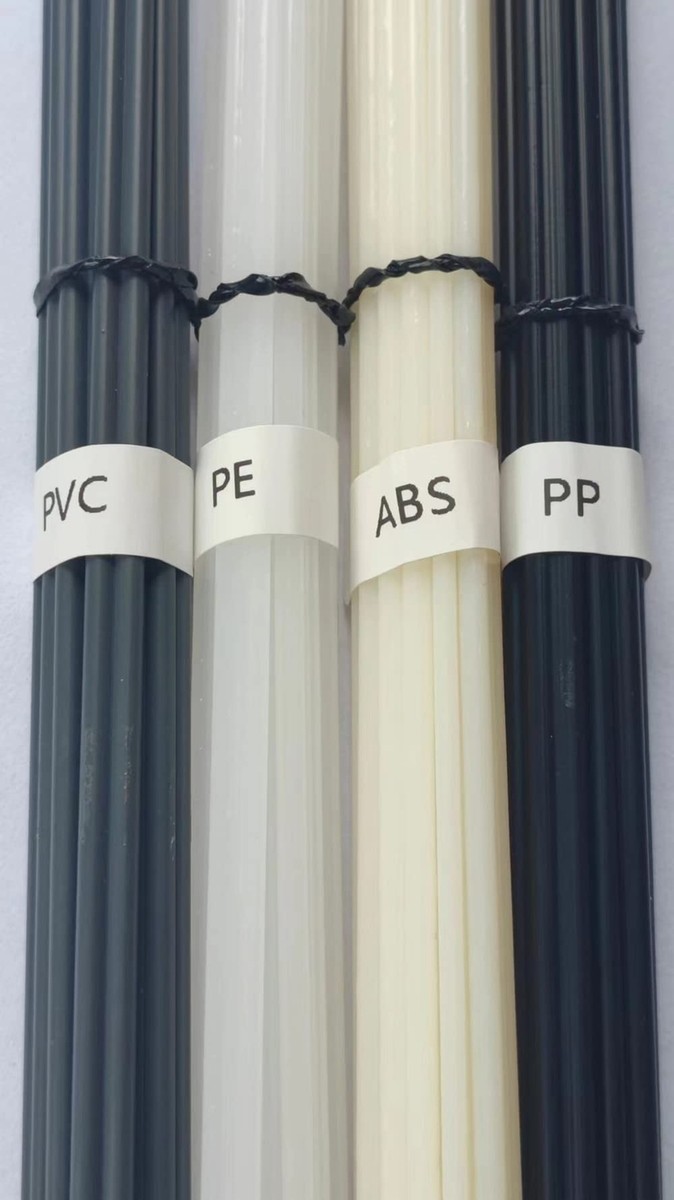
What is a PVC welding rod?
A PVC welding rod, or PVC Welding Rod, is a filler material specifically designed for hot air plastic welding. Its primary component is polyvinyl chloride (PVC), which is processed into a solid bar with a round or other specific cross-sectional shape by adding additives such as plasticizers and stabilizers.
Simply put, it functions similarly to a welding rod used in metal welding. When welding PVC materials (such as sheets or pipes), the PVC welding rod acts as a "binder," melting simultaneously with the base material (the PVC workpiece being welded) under the influence of hot air. Upon cooling, the two materials fuse together, forming a strong weld joint.

Characteristics and Advantages of PVC Welding Rods
As a plastic welding rod, PVC welding rods possess the following significant characteristics and advantages:
Excellent welding compatibility: When the welding rod and the base material are identical (i.e., both are PVC), they share the same melting point, thermal expansion coefficient, and chemical properties, enabling molecular-level fusion and forming an extremely strong weld.
High weld strength: A properly welded PVC weld can achieve strengths up to 80% or even higher than that of the base material, a strength unmatched by adhesive bonding.
Excellent chemical resistance: Inheriting the properties of PVC, the welded joint is resistant to corrosion from a variety of chemical media, including acids, alkalis, and salts, making it ideal for use in containers, pipes, storage tanks, and other equipment in the chemical industry.
Excellent sealing: The welding process fuses the materials together, resulting in a completely tight weld that effectively prevents leaks.
High durability: The welded joint exhibits excellent aging resistance and a long service life.
Cost-effectiveness: Compared to replacing entire equipment or components, local welding repairs are significantly less expensive. Flexibility: Can be processed into different colors (commonly gray, white, and black) as needed to match the appearance of the parent material.
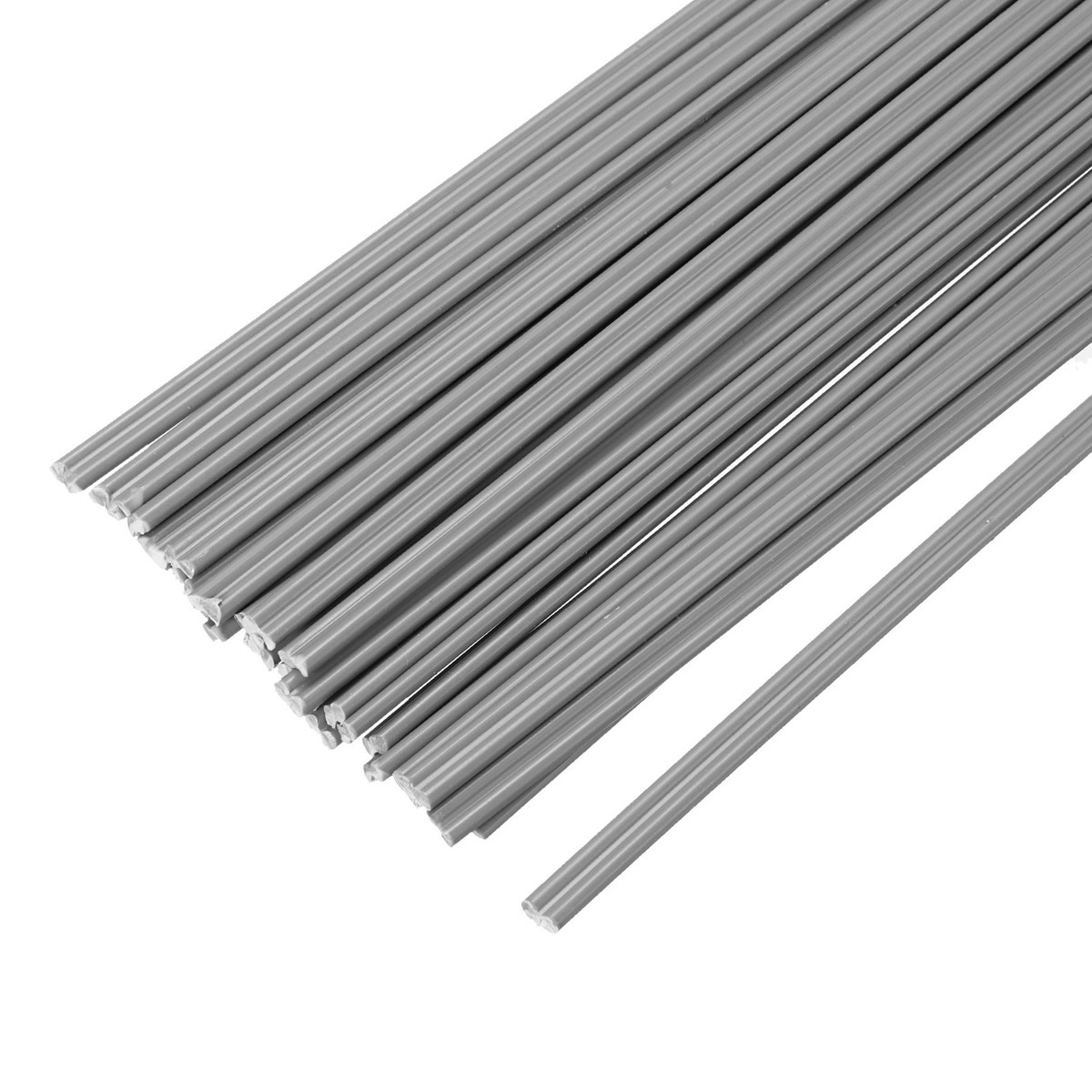
How to use PVC welding rods?
PVC welding is typically performed with a hot air welding gun. The basic steps are as follows:
Required tools:
Hot air plastic welding gun
Welding nozzle that matches the rod size
Cleaning tools (such as scrapers, sandpaper)
Press roller
Steps:
1. Preparation:
Surface cleaning: Thoroughly remove oil, dust, and moisture from the area to be welded and the surrounding area using acetone or a specialized cleaner. This is crucial for ensuring a high-quality weld.
Beveling: For thicker plates, it is often necessary to grind the edges of the joint to a specific angle (such as a V- or X-bevel) to increase the weld surface and enhance strength.
Securing the workpiece: Align and secure the parts to be welded to prevent movement during welding.
2. Equipment Setup:
Adjust the welding gun temperature and air flow rate according to the material and thickness of the welding rod and base material. For PVC, the hot air temperature is typically between 200°C and 400°C. Always test the temperature and air flow rate in an inconspicuous area beforehand.
3. Welding Process:
Preheating: Use the welding gun to heat both the welding rod and the base material to be welded, causing their surfaces to begin to melt and soften.
Applying: Apply the preheated welding rod to the weld with constant, appropriate pressure, maintaining the welding gun tip at a certain angle to the weld, and continuously heating the junction between the welding rod and base material.
Advancing: Move the welding gun and welding rod forward at a steady speed to ensure that the welding rod is fully melted and fused to the base material.
Compacting: While the welding rod is still hot and plastic, use a pressure roller to immediately roll the weld bead to eliminate air bubbles and ensure a dense interior.
4. Cooling:
Allow the weld to cool slowly in the natural environment until it sets. Never use water or cold air for forced cooling, as this may cause cracking due to stress concentration.
What are the key points?
To ensure welding safety and quality, the following points must be observed:
1. Material matching is paramount:
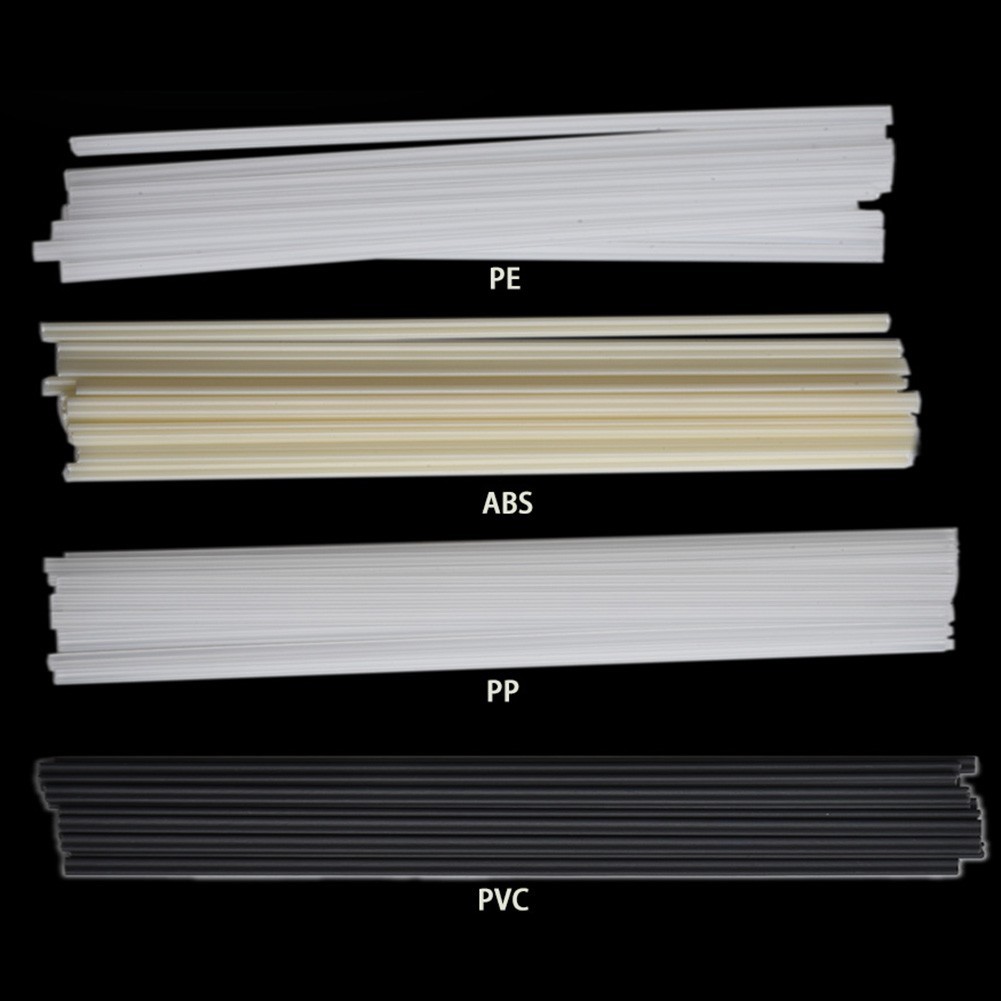
Ensure that the welding rod is made of the exact same material as the base material. For example, when welding PVC sheets, PVC welding rods must be used; ABS or PP welding rods cannot be substituted, as this will prevent effective fusion. When purchasing welding rods, it is best to choose the same brand as the base material.
2. Strict surface cleanliness:
Any trace of contaminants (such as oil, water, or dust) can create defects in the weld and drastically reduce weld strength. Cleanliness is the foundation of successful welding.
3. Temperature control is crucial:
Too low a temperature: Incomplete melting of the welding rod and base material will result in a weak bond, making a cold weld more likely.
Too high a temperature: Decomposition and carbonization of the PVC (yellowing, smoke, and brittleness) can occur, severely weakening the weld. PVC is very sensitive to overheating.
4. Safety precautions:
Ventilation: PVC decomposes when heated during welding, potentially producing trace amounts of harmful gases. Operate in a well-ventilated environment. Fire Prevention: Hot air welding torches are extremely hot; keep away from flammable materials.
Personal Protection: Wear heat-resistant gloves and protective glasses to avoid burns and hot melt splashing into your eyes.
5. Skills and Practice:
Plastic welding requires practice. Coordinating pressure, speed, and temperature requires experience. Practice on scrap material before starting serious work.
6. Welding Rod Storage:
Welding rods should be stored in a cool, dry, dark place to prevent moisture and aging.
Main Applications:
PVC welding rods are widely used in:
Chemical Industry: Fabrication and repair of PVC storage tanks, pickling tanks, electroplating tanks, and ventilation ducts.
Environmental Water Treatment: Lining and structural components of sewage treatment tanks and dust removal equipment.
Construction Industry: Welding of waterproofing membranes and installation of anti-corrosion flooring.