Ⅰ. What is a PU tube?
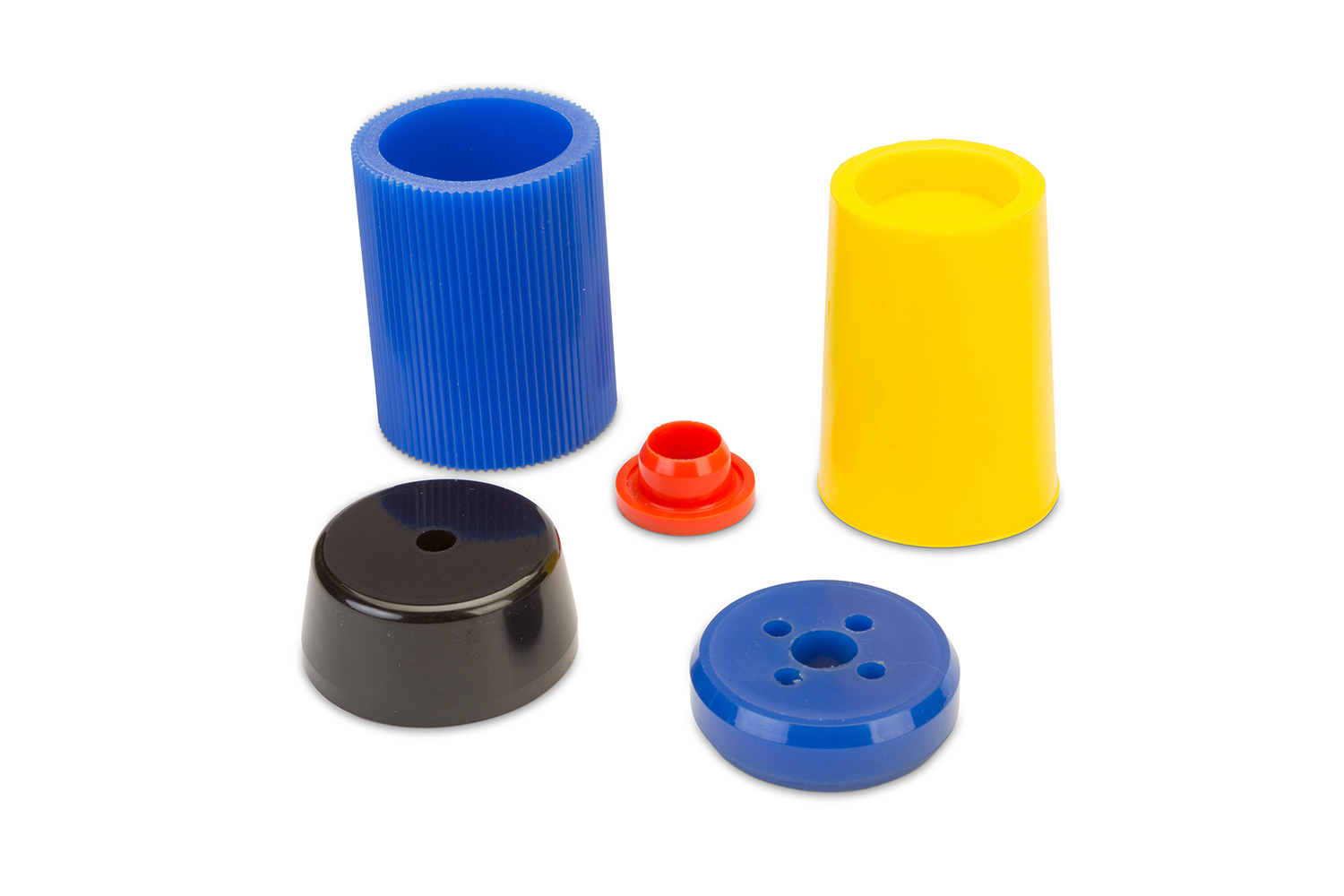
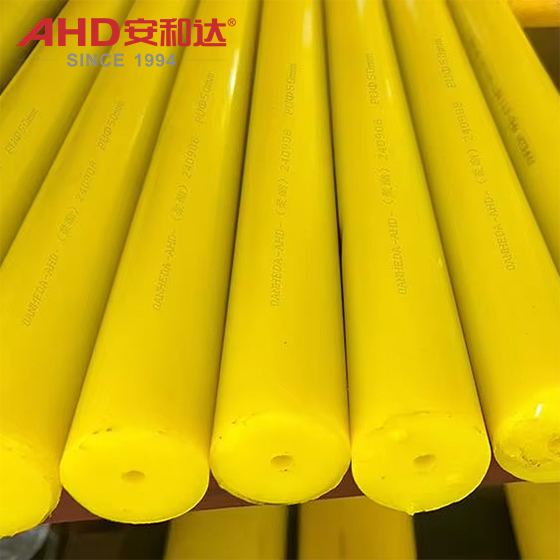
PU tube, also known as polyurethane tube in Chinese, is a flexible plastic tube made from polyurethane elastomer.
Material Properties: Polyurethane is a polymer material with properties intermediate between those of plastic and rubber. It is known for its excellent wear resistance, high elasticity, high mechanical strength, and good flex fatigue resistance.
Tube Appearance: PU tubes typically appear as translucent or opaque flexible hoses with a smooth interior and a certain degree of hardness.
Simply put, PU tubes are like "all-round" hoses, combining the strength of nylon, the elasticity of rubber, and the flexibility of PVC.
Ⅱ. Product Features and Advantages
PU tube is widely used due to its comprehensive range of excellent properties:
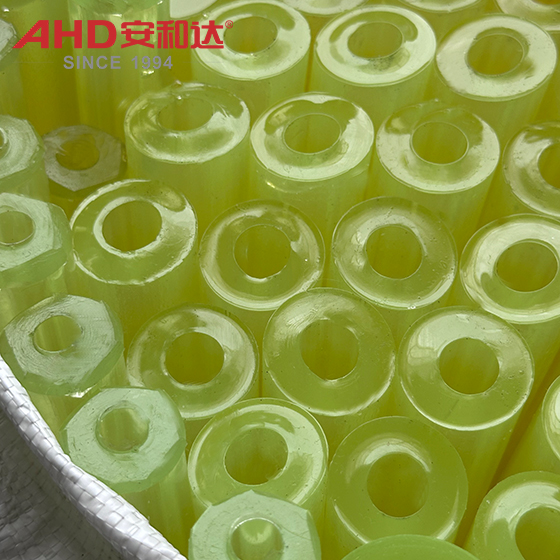
1. Excellent wear resistance: This is PU tube's most prominent advantage, with wear resistance 3-5 times that of most rubber materials. It is ideal for conveying media containing particles or in environments subject to frequent friction.
2. High elasticity and flexibility: It is easy to bend and install, has good shape recovery, and is not susceptible to permanent deformation.
3. High mechanical strength: It is resistant to high pressure, stretching, and tearing, with a pressure bearing capacity far exceeding that of PVC or rubber tube of the same specification.
4. Flex fatigue resistance: It can withstand frequent bending and straightening without cracking, and has a long service life.
5. Smooth inner wall: It provides low resistance when conveying fluids, is not prone to scaling, and can maintain a high flow rate.
6. Broad media resistance: It has good tolerance to non-polar solvents (such as oils, greases, and fuel oil), and also has certain resistance to aging and ozone.
7. Environmentally friendly and non-toxic: Some food-grade and medical-grade PU tube meets relevant safety standards and can be used in contact with food and pharmaceuticals.
8. Wide operating temperature range: It typically maintains performance within a temperature range of -40°C to +90°C (short-term operation up to +120°C).
Disadvantages: Relatively poor resistance to strong acids, strong bases, and some polar solvents; cost is generally higher than PVC pipe.
Ⅲ. How is it produced?
PU tubes are primarily produced using the extrusion molding process, with the following process steps:
Raw Material Preparation: Polyurethane pellets (usually TPU, thermoplastic polyurethane) are dried to remove moisture and prevent bubbles from forming during production.
Plasticizing and Extrusion: The dried TPU pellets are fed into the extruder. Inside the extruder, the raw material is melted and plasticized into a viscous fluid state through heating and the shearing action of the screw.
Molding: The molten polyurethane is continuously extruded through an annular die (die head) to form a tubular blank.
Sizing and Cooling: The newly extruded hot tube blank immediately enters a sizing sleeve, where its outer diameter is precisely fixed through vacuum or internal pressure sizing. It then enters a cooling water tank for cooling and solidification, finalizing the PU tube.
Drawing and Coiling: The cooled PU tube is pulled out by a tractor at a constant speed and finally wound into a large coil by a coiler for easy storage and transportation.
Post-processing: Depending on the needs, further processing such as printing logos and cutting into specific lengths may be required.
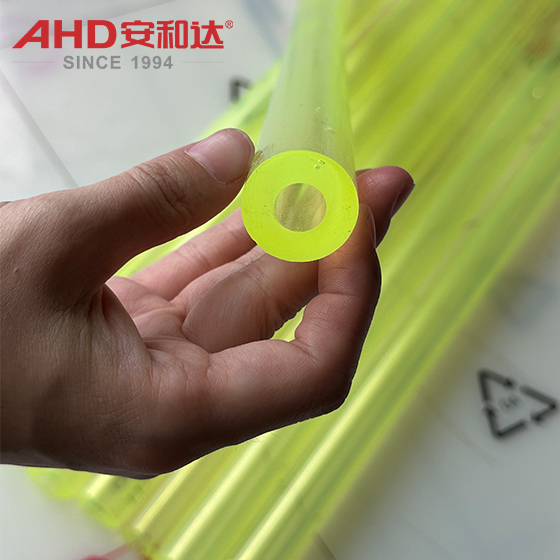
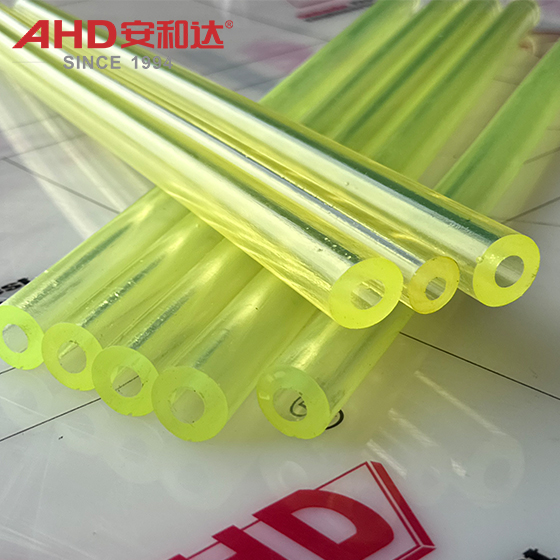
AHD Hollow Polyurethane Rod
Ⅳ. How is it typically used? Where are its specific applications?
PU tube has a wide range of applications, covering nearly every industrial sector requiring flexible conveying.
Usage:
It is typically connected to equipment via quick-connect fittings, barb connectors, clamps, or flanges.
It is directly slipped onto metal or plastic piping, leveraging its inherent elasticity to secure it.
Specific Application Areas:
Pneumatic Systems:
Applications: Used for conveying compressed air in factory automation equipment, pneumatic tools (such as air cannons and spray guns), cylinder drives on production lines, and more.
Advantages: Wear-resistant, flex-resistant, long-lasting, and able to withstand the wear and tear of frequent equipment movement.
Hydraulic Systems:
Applications: Used for conveying hydraulic oil in construction machinery and machine tools. Typically, PU tube with a higher pressure rating (with a braided fiber reinforcement) is used.
Advantages: High pressure resistance and excellent oil resistance.
Material Conveying:
Applications: Conveys particles, powders, chips, dust, etc., such as in grain conveyors, woodworking vacuum cleaners, and powder conveying lines.
Advantages: Extremely wear-resistant, ideal for conveying abrasive materials.
Liquid Conveying:
Applications: Conveys water, oil, coolants, cleaning agents, and more. Examples include machine tool cooling pipes, automobile fuel pipes, and car wash water pipes. Advantages: Oil-resistant, smooth interior, and low-bacteria (food grade).
Special Applications:
Medical Equipment: Food-grade, highly transparent PU tube is used in pharmaceuticals, infusion tube, dialysis equipment, and more.
Cable Jacket: Serves as a protective hose for cables, protecting them from cuts and abrasions.
Instruments: Used to connect various instruments and transmit gas or liquid samples.
Ⅴ. What are the technical requirements for use?
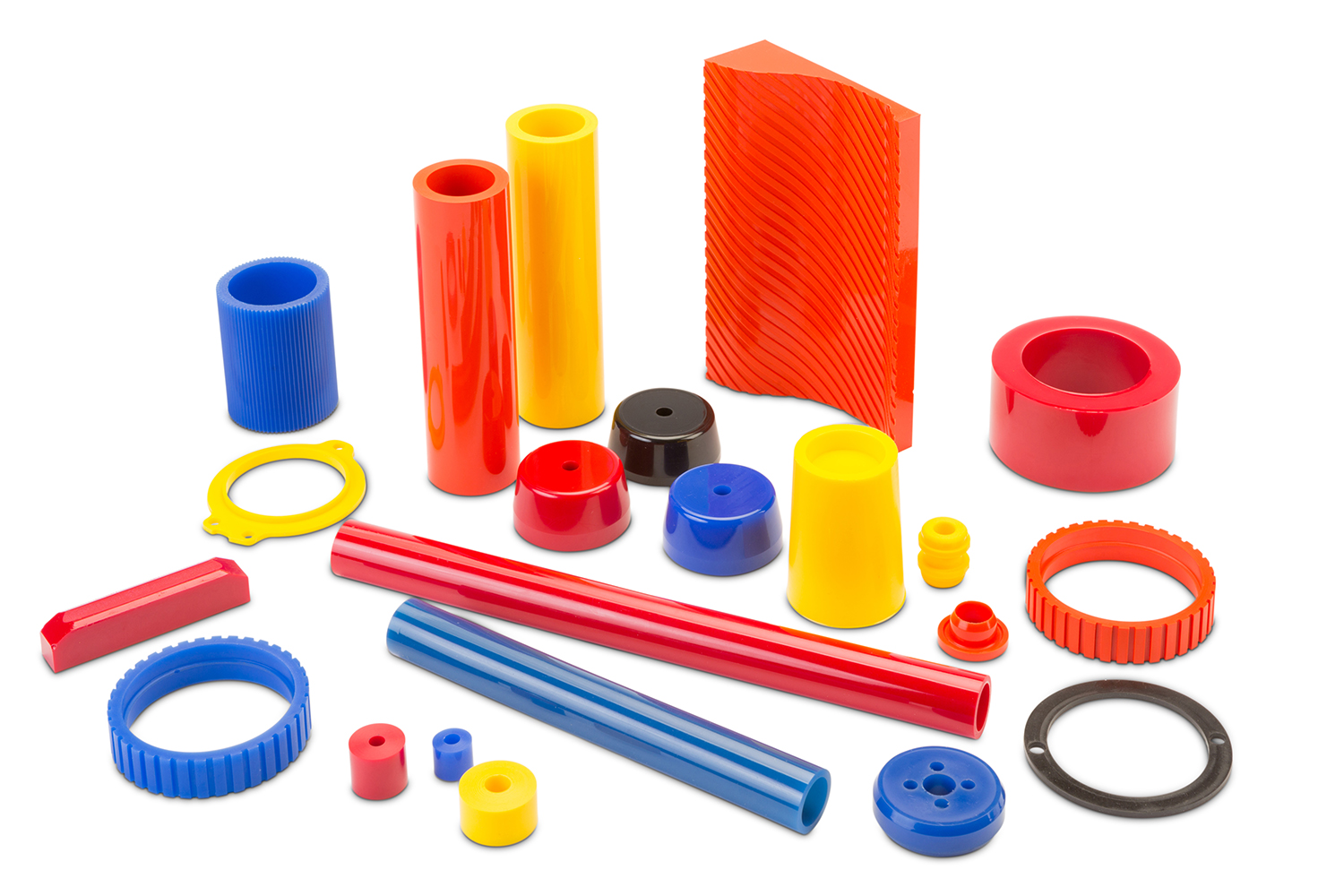
To ensure optimal performance and extend the life of PU tube (Hollow PU Rod), please note the following:
1. Correct Selection:
Pressure: Select PU tube with the appropriate pressure rating based on the system's maximum operating pressure, taking into account a safety factor. Never operate at overpressure.
Temperature: Ensure that the operating medium and ambient temperature are within the PU tube's tolerance range. High temperatures accelerate aging, while low temperatures can cause it to become hard and brittle.
Media Compatibility: Verify that the media being transported is compatible with the polyurethane material. For chemicals such as strong acids, strong bases, ketones, and esters, consult a chemical compatibility chart or conduct testing.
2. Bend Radius:
Avoid sharp bends with small radii during installation. The bend radius should not be less than the minimum specified for the product. Otherwise, flow will be restricted, stress concentration will occur on the tube wall, and life will be shortened.
3. Installation and Fixing:
In applications subject to frequent movement or vibration, use appropriate pipe clamps to secure the pipes to prevent excessive wear and loosening of fittings due to movement.
When connecting fittings, ensure they are fully inserted and secure with clamps to prevent them from falling out or leaking.
4. Avoid External Damage:
Although PU tube is highly abrasion-resistant, avoid contact with sharp edges. Use spring guards or wear sheets if necessary.
Avoid unnecessary stretching and twisting.
5. Regular Inspection:
Inspect the tube regularly for cracks, hardening, swelling, discoloration, or signs of surface wear. Replace any signs promptly.
In summary, PU tube is a high-performance engineering hose with comprehensive performance and durability. Its reputation as the "king of wear resistance" makes it a top choice in demanding environments such as pneumatics, hydraulics, and material conveying. Properly selected for the operating conditions and properly installed and used, it will provide long-lasting, reliable service.