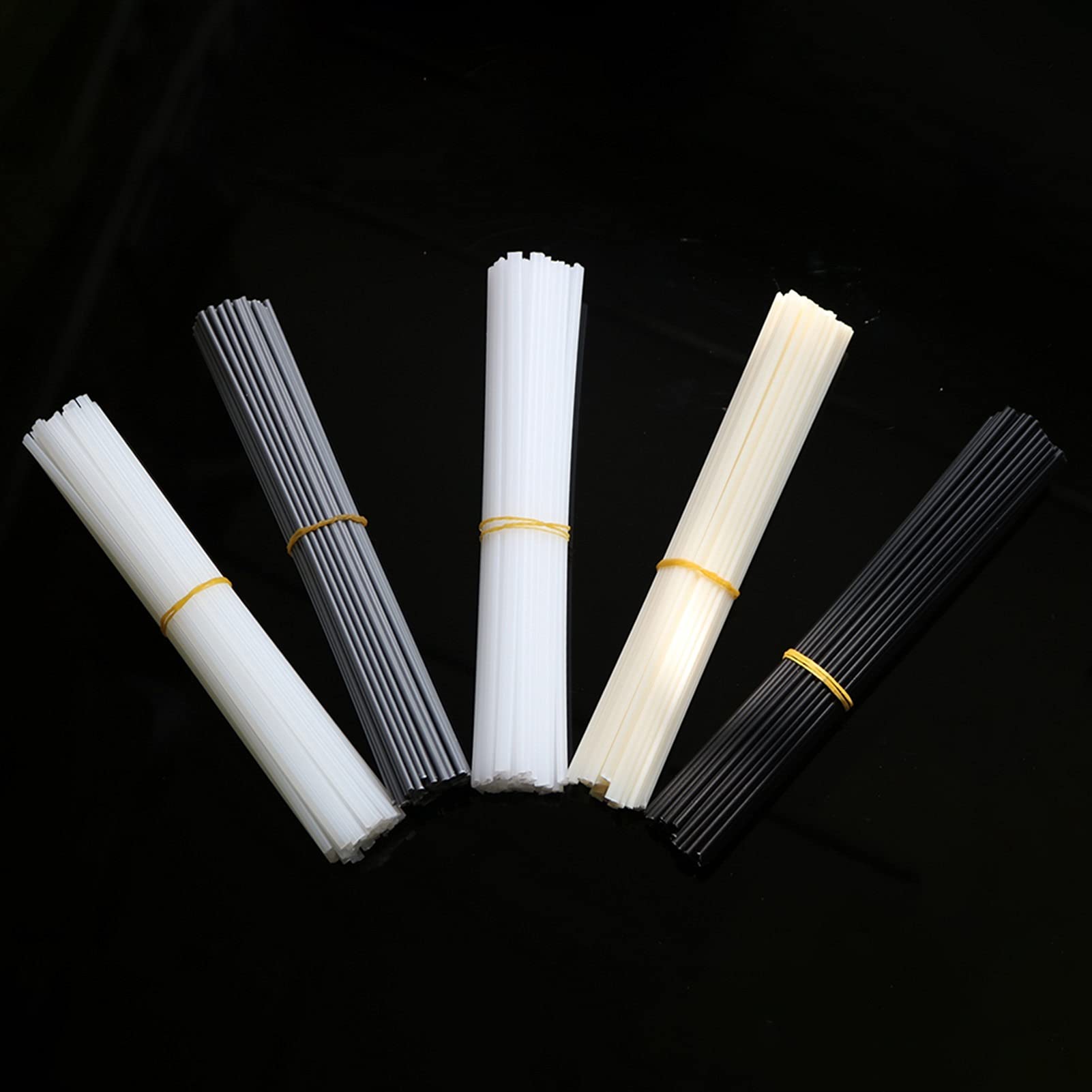
ABS Welding Rod Details
1. Definition
ABS welding rod is a filler material specifically used for welding ABS (acrylonitrile butadiene styrene) plastic. It is typically a solid rod with a composition that closely matches the ABS base material. Its function is to fill the welded area after heating and melting, fusing with the base material to form a strong bond. It is primarily used for repairing, splicing, or manufacturing ABS products.
2. Origin
The development of ABS welding rod stems from the widespread application of ABS material. Due to its excellent overall properties (high strength, impact resistance, and easy processing), ABS is widely used in automotive parts (such as dashboards and interiors), home appliances (such as washing machine housings), and industrial equipment (such as pipes and tool handles). When these products require repair or customized joining, a welding material compatible with the ABS base material is required, which has led to the development of ABS welding rods. Currently, they are mainly produced by plastic manufacturers, welding material suppliers, or specialized chemical companies. The formulation is typically based on pure ABS resin, and small amounts of additives (such as antioxidants and pigments) may be added to optimize performance.
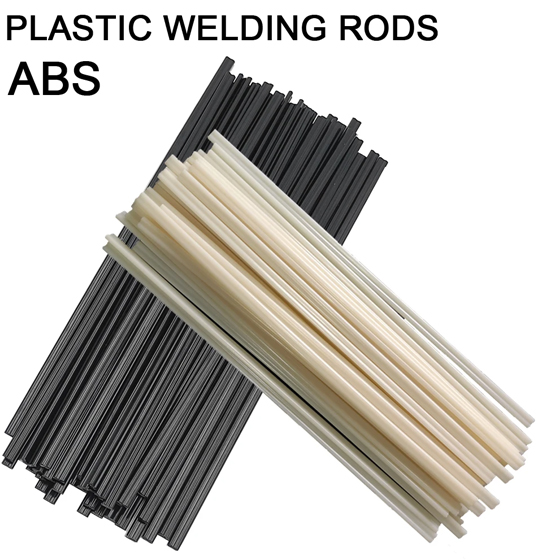
ABS Plastic Rods -Welding Rod
3. Core Features
Excellent Compatibility: The molecular structure of the ABS substrate is consistent, allowing for complete fusion after melting, preventing delamination or peeling.
Melting Point Matching: The melting point is approximately 170-250°C (close to that of the ABS substrate), preventing degradation of the substrate or welding rod due to temperature differences during welding.
Mechanical Properties Close to the Original Material: The tensile strength after welding can reach 80%-95% of the original ABS, while the impact and fatigue resistance are essentially the same as those of the substrate.
Chemical Resistance: Inherits ABS's resistance to oil, mild acids, and weak bases, making it suitable for industrial and everyday environments.
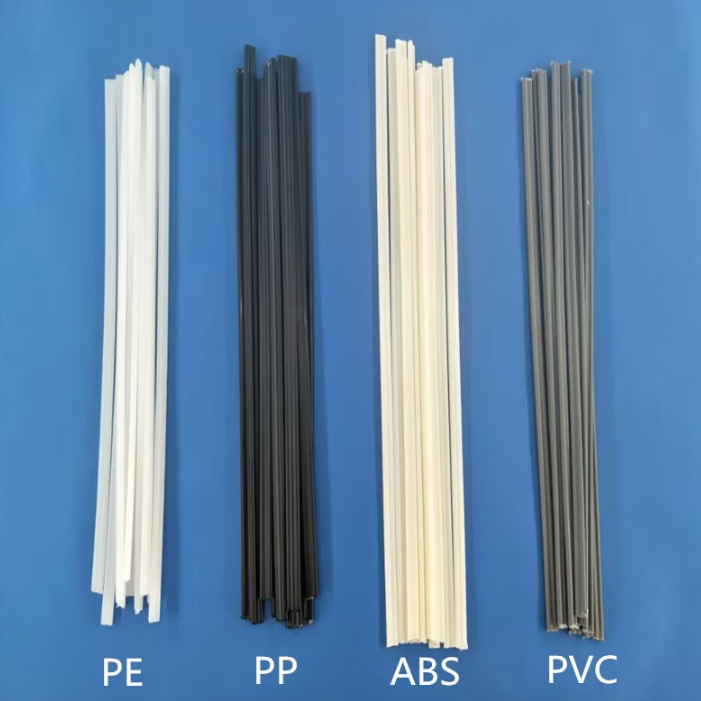
Color Consistency: Custom colors are available (commonly available in black and beige), ensuring the appearance of the repaired rod matches the original.
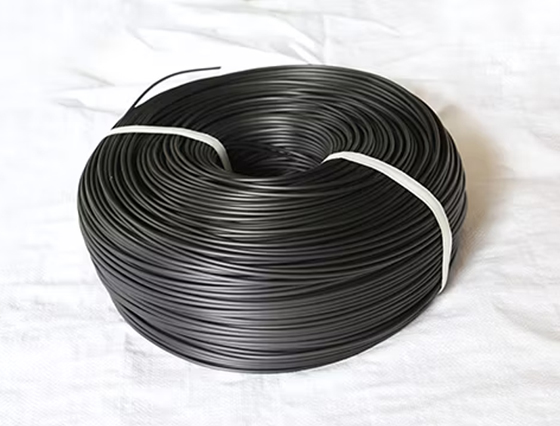
ABS Rod Roll- Welding Roll
4. Instructions
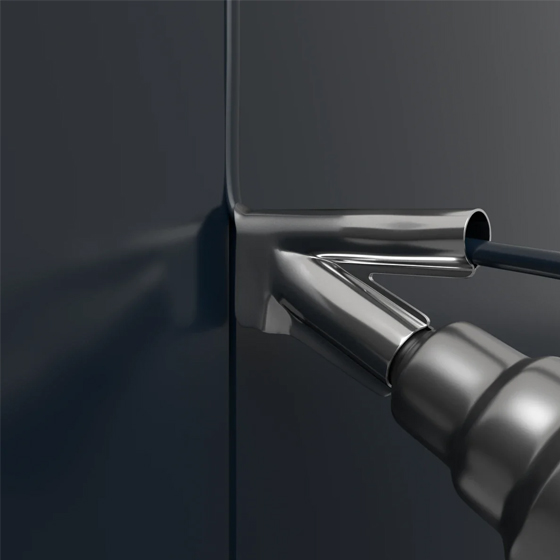
ABS welding rods are primarily welded using hot air welding (most commonly), hot plate welding, or a manual soldering iron. Using hot air welding as an example, the steps are as follows:
Surface Preparation: Clean the area to be welded (remove oil and dust), and roughen it with sandpaper (80-120 grit) to increase the bonding area. Equipment Preheating: Set the heat gun to 250-300°C (slightly above the melting point of ABS) and adjust the air speed to medium-low (to avoid dispersing the molten material).
Melting Filling: First, use hot air to heat the base material joint until it softens. Then, place the tip of the welding rod in contact with the molten area. The hot air simultaneously heats the welding rod, melting it and evenly filling the gap.
Pressure Cooling: Use a pressure roller or your fingers to gently press the welding rod against the base material to expel air bubbles. Maintain pressure until completely cooled.
Finishing and Polishing: After cooling, use a file or sandpaper to smooth out any protrusions. Polish to restore a smooth surface if necessary.
5. Key Advantages
Low Cost: Compared to replacing the entire component, welding repair costs only 10%-30% of a new part.
Flexible Operation: Requires no complex equipment (only a hot air gun), making it suitable for on-site repairs or small-batch production.
Reliable Performance: High weld strength, weather resistance consistent with the original material, and resistance to cracking after long-term use.
Environmentally Friendly: Reduces waste, aligning with the needs of a circular economy.
6. Precautions
Critical Surface Preparation: Thorough cleaning and polishing are essential. Otherwise, oily or slick surfaces will result in a weak weld.
Temperature Control: Too low a temperature will result in incomplete melting and poor bonding; too high a temperature will cause ABS to decompose (emit black smoke and produce a pungent odor), reducing performance.
Speed and Pressure: The welding speed must be uniform. Too low a pressure can easily cause voids, while too high a pressure can cause excessive extrusion of molten material.
Cooling Protection: Allow natural cooling after welding to avoid forced cooling (e.g., with cold water) that can cause internal stress cracking. Safety protection: A small amount of styrene gas (irritating) will be produced during welding, so ventilation is required; wear gloves and goggles to prevent burns.
Summary
ABS welding rods are practical tools for repairing and manufacturing ABS products. Due to their high compatibility with substrates and easy operation, they are widely used in industrial maintenance, customized production, and everyday DIY applications. Proper use requires careful attention to surface preparation, temperature control, and safety precautions to ensure weld quality.