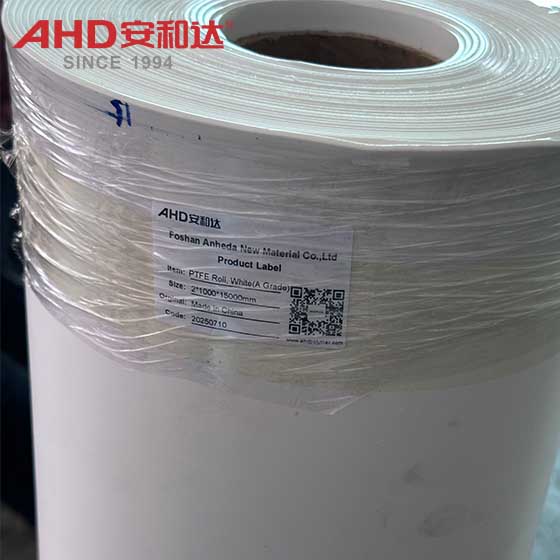
1mm PTFE sheet is a sheet made of polytetrafluoroethylene (PTFE, commonly known as "Teflon") with a thickness of 1 mm. PTFE is a polymer material polymerized from tetrafluoroethylene monomers. The C-F bonds in its molecular structure are extremely strong, giving it unique comprehensive properties.

Features and Advantages
Extreme Temperature Resistance: Long-term use from -200℃ to 260℃ without embrittlement at low temperatures or melting at high temperatures (only decomposition).
Superior Corrosion Resistance: Virtually unreactive with any chemical reagents.
Low Coefficient of Friction (0.04): Superior self-lubricating properties compared to graphite; dynamic/static friction coefficients are close, with no creeping phenomenon.
Excellent Electrical Insulation: Low and stable dielectric constant (approximately 2.1); low loss at high frequencies, making it an ideal insulating material.
Non-stick and Hydrophobic: Extremely low surface energy (18 mN/m); almost all substances (including adhesives) are difficult to adhere to.
Biocompatible: Non-toxic and non-allergenic; meets FDA and ISO 10993 medical certifications.

Main Application Scenarios
1mm PTFE sheets, due to their thinness and the retention of PTFE's core properties, are widely used in the following fields:
Chemical Industry: As sealing gaskets for small equipment, corrosion-resistant linings (such as pipe and valve connections), or observation window seals for reactors.
Electronics and Electrical: Insulating substrate for high-frequency circuit boards (such as 5G antennas), insulating layer for cable connectors (utilizing its excellent electrical insulation properties).
Machinery Manufacturing: Sliding parts for precision instruments (such as guide rails and piston rings), bearing cages (low coefficient of friction reduces wear).
Medical Field: Anti-stick gaskets for surgical instruments, catheter liners (good biocompatibility, non-toxic).
Food Processing: Anti-stick gaskets for baking molds (meets food-grade standards), conveyor belt liners for packaging machines.
Usage Methods
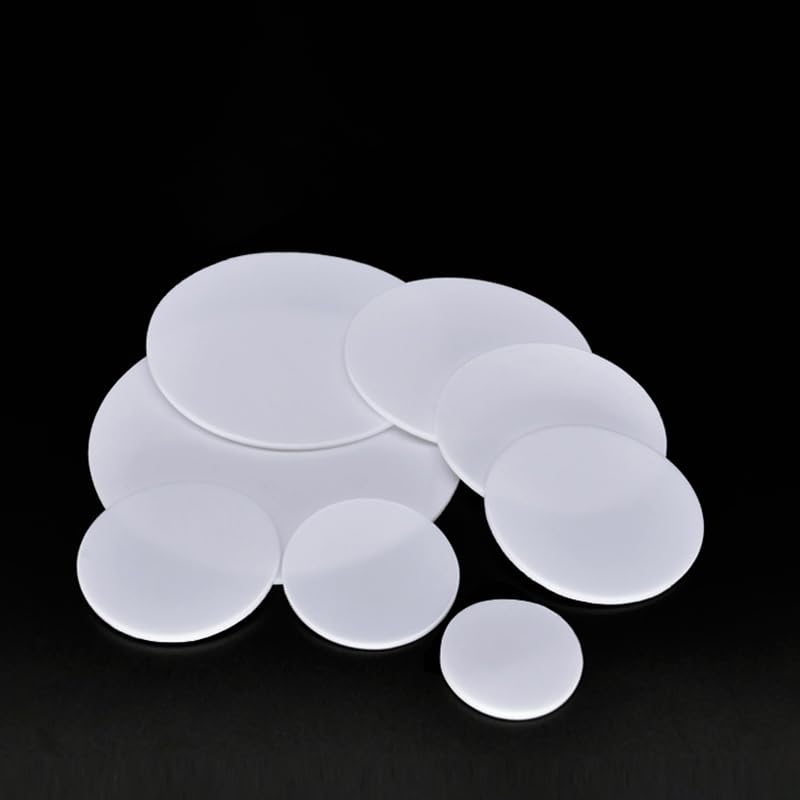
Cutting and Shaping: Can be laser-cut, stamped, or cut into desired shapes with sharp tools; complex curved surfaces require hot pressing (temperature ≤260℃).
Installation and Fixing: Directly adhere to metal/plastic surfaces (apply a small amount of silicone grease after cleaning to enhance adhesion); or fix with bolts or clamps (avoid overtightening to prevent deformation).
Functional Applications: When used as a seal, pre-compression is required (allow 10%-20% compression); when used as an insulation component, ensure the surface is free of scratches (to prevent puncture).
Precautions
Temperature Limitations: Recommended long-term operating temperature ≤260℃ (short-term up to 300℃). Exceeding this temperature will cause decomposition, producing toxic gases (such as perfluoroisobutylene).
Mechanical Protection: While abrasion resistant, it is easily scratched (hardness approximately D50-60). Avoid contact with sharp objects; the thin sheet (1mm) has limited load-bearing capacity.
Chemical Compatibility: Resistant to most acids and alkalis (including aqua regia), except for molten alkali metals (such as sodium), fluorine gas, and strong oxidizing agents such as chlorine trifluoride. However, prolonged contact with liquid oxygen should be avoided.
Surface Treatment: For bonding or printing, the surface must be treated with sodium naphthalene solution or plasma (to increase surface energy).
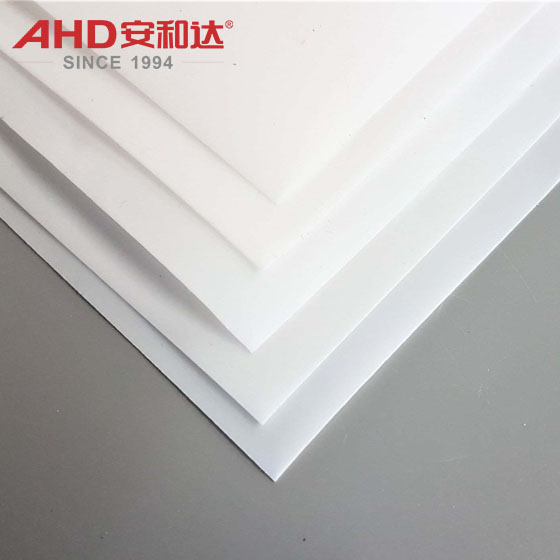 PTFE Plate
Production Difficulty Analysis
Producing 1mm PTFE sheets presents certain technical challenges, but is achievable with mature processes:
Challenges: PTFE melt viscosity is extremely high, making injection molding impossible. A "molding-sintering" process is required: PTFE powder is mixed with an extrusion aid → cold-pressed into a 1mm thick blank → sintered at high temperature (360-380℃) → cooled and shaped.
Thin sheets (1mm) are prone to the following problems:
Uneven pressure during pressing leads to thickness deviation;
High shrinkage rate during sintering requires precise control of heating/cooling rates (to avoid warping);
Easily deformed during demolding (requires flexible molds or auxiliary supports).
Feasibility: By optimizing the formula (e.g., adding a small amount of filler to improve flowability), using precision presses and continuous sintering furnaces (temperature uniformity ±5℃), stable production of 1mm sheets is possible. Currently, both domestic and international companies can supply in bulk.
Summary
1mm PTFE sheets are lightweight, thin, high-performance engineering plastic sheets. Due to their stability in extreme environments, they have become key component materials in many fields. Production requires control over process details, but the technology is mature.