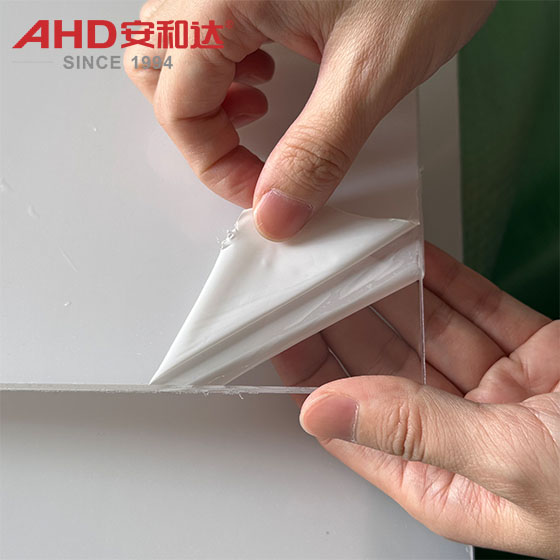
Ⅰ. What is PLA?
PLA (Polylactic Acid) is a bio-based, biodegradable thermoplastic polyester made from renewable plant resources (corn, sugarcane, cassava, etc.) through a four-step process: starch → glucose → lactic acid → polymerization. It is currently the world's largest-produced bioplastic (accounting for over 40% of the bioplastics market) and the only polymer to achieve a large-scale commercialized closed-loop cycle from plant to plastic back to nature.
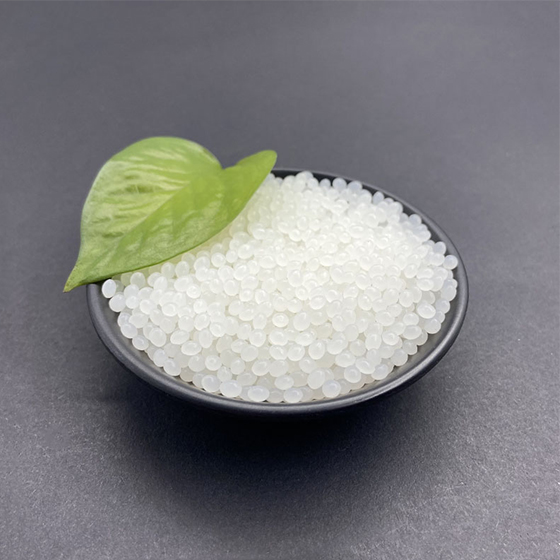
Ⅱ. Why is PLA called "the easiest plastic to explain"?
PLA's "ease of explanation" stems from its extremely simple logical chain—the essence can be explained using a closed loop of "plant → plastic → back to plant," creating a stark contrast to the "untraceable + non-degradable" nature of traditional petroleum-based plastics. Specific reasons are as follows:
Intuitive Source: The raw materials are readily available everyday corn/sugarcane, not the abstract "petroleum," allowing users to instantly connect with nature;
Easy to Understand Recycling: After use, it enters industrial composting (58℃+ microorganisms), decomposing into CO₂ and water in 6-12 months, which is then reabsorbed by plants—like "plant sugar turning into plastic, and then back into plant food after use";
Friendly Performance Parameters: Melting point (150-170℃), hardness (similar to PP), and transparency are all "intermediate values" for common plastics;
Strong Contrast Impact: The contrast with traditional plastics (such as PP, which takes hundreds of years to degrade) quickly conveys "environmental value."

Ⅲ. Key Characteristics and Core Advantages
PLA's advantages can be summarized as a triple combination of "bio-based + biodegradable + easy to process," which is explained below in a structured breakdown:
1. Bio-based Renewability
The raw material comes from annual crops (corn starch conversion rate of approximately 30%), and does not occupy core arable land (it can be rotated with grain crops); Its carbon footprint is 50%-70% lower than PP/PET (1 kg PLA emits only 1.8-2.5 kg CO₂, while PP requires 3.5-4.5 kg), meeting the "dual carbon" target.
2. Controllable Biodegradability
Industrial composting conditions (58±2℃, humidity 50%-60%, microbial enrichment): Complete degradation into CO₂ and water in 6-12 months; Home composting/soil: Requires 2-5 years; Marine environment: Slow degradation (approximately 10 years), but much more environmentally friendly than traditional plastics (hundreds of years).
3. Processability: Compatible with traditional processes
It can be molded using conventional plastic processing methods such as injection molding, extrusion, blown film, and 3D printing (FDM) without requiring equipment modification—for example, PLA filament used in 3D printing is the most widely used entry-level consumable globally.
4. Safety and Compliance: Food-grade + Medical-grade Certification
It contains no toxic monomer residues (lactic acid is a human metabolic product), meeting food contact standards; medical-grade PLA passes ISO biocompatibility testing, and its degradation products are non-cytotoxic.
Ⅳ. Typical Application Scenarios
PLA applications revolve around "replacing single-use/short-term-use plastics." The following are high-frequency application scenarios:
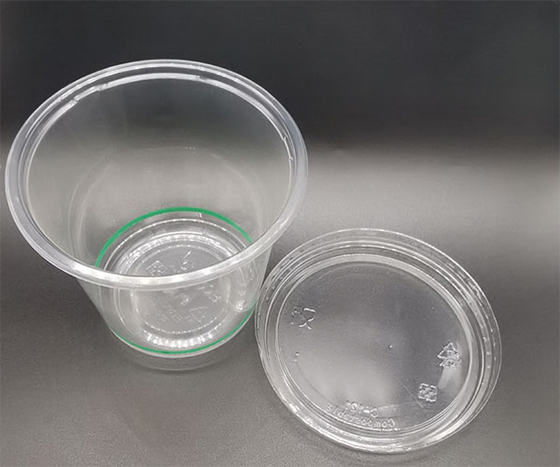
Packaging: Lunch boxes, beverage cups (replacing PP), express delivery cushioning film (replacing PE), cosmetic sample bottling;
Disposable Products: Biodegradable straws, cutlery sets, shopping bags;
3D Printing: Mainstream consumable for FDM printers, suitable for prototyping and educational models;
Medical Field: Absorbable sutures, drug-releasing microspheres;
Textile Field: PLA fibers, used in sportswear (moisture-wicking), biodegradable carpets.
Ⅴ. Expanding Horizons
1. Current Challenges
Poor heat resistance: Easily deformed above 60℃ (unable to hold hot drinks);
Degradation requirements: Requires industrial composting facilities (only 15% of regions globally have these);
High cost: Approximately 1.5-2 times that of PP (raw materials + polymerization process);
Raw material controversy: Early use of corn raised concerns about "competing with food crops for land" (now shifting towards non-food raw materials such as straw/wood chips).
2. Future Trends
Modification and upgrading: Adding nano-clay (improving heat resistance to above 100℃), blending with PHA (enhancing soil degradability);
Closed-loop recycling: Chemical recycling (depolymerization into lactic acid) → repolymerization (a "plastic-to-plastic" cycle);
Non-food raw materials: Fermentation using lignocellulose (straw, wood chips) to avoid competition with food crops;
Policy-driven: The EU mandates that biodegradable materials account for 25% of single-use plastics by 2030.
AHD food-grade PP sheet (Polypropylene Sheet) and food-grade PET sheet (Polyethylene Terephthalate Sheets) are also frequently used in the food industry or packaging industry, but PLA is the most environmentally friendly and easily degradable.
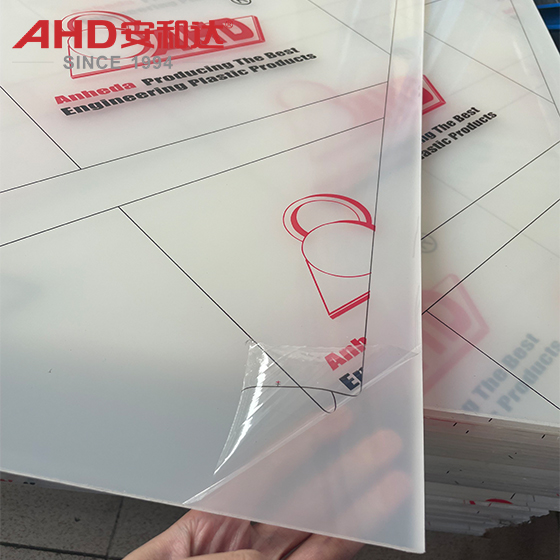
AHD Polypropylene Plastic Sheets