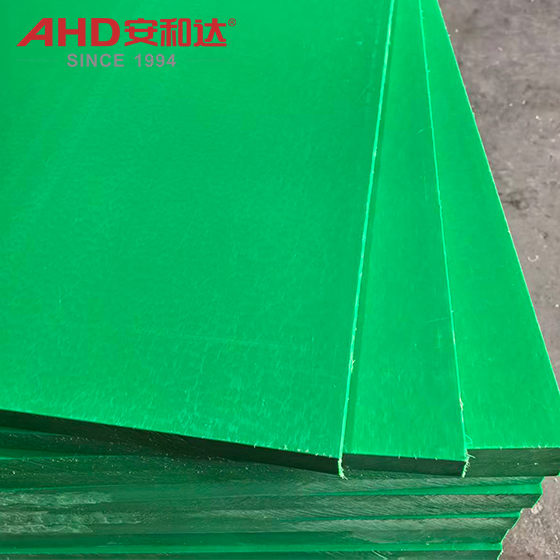
Color instability is a common and troublesome problem in the production of extruded plastic sheets. It typically manifests as color deviation, streaks, color spots, and batch-to-batch color inconsistencies.
This occurs because plastic extrusion coloring is a complex process involving multiple variables and stages. Even a slight fluctuation in any stage can lead to changes in the final product's color.
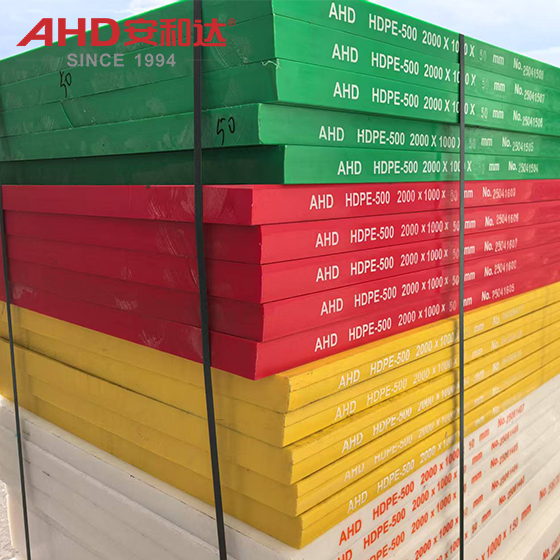
The following are the main causes of color instability, ranging from raw materials and processes to equipment:
Ⅰ. Raw Material Factors
1. Masterbatch/Color Powder Inherent Problems:
Poor Dispersion: The color powder or masterbatch fails to disperse evenly in the plastic melt, forming agglomerates and resulting in color spots or streaks.
Poor Heat Resistance: The pigment decomposes or changes color at the high temperatures of the extruder, causing the color to darken or change.
Batch Variation: Different batches of masterbatch or color powder have slight differences in pigment concentration and particle size distribution, directly leading to color fluctuations.
Carrier Resin Incompatibility: Poor compatibility between the carrier resin of the masterbatch and the base resin affects dispersion.
2. Base Resin Grade and Batch
Grade Differences: Different grades or types of resin have variations in their inherent color (whiteness, yellowness index), transparency/turbidity, and melt flow rate. Under the same formulation, the base resin's inherent color can act like a filter, affecting the final color.
Batch Differences: Even within the same grade, different production batches of resin may exhibit slight fluctuations in microstructure and additive (e.g., titanium dioxide, antioxidant) content, directly impacting the underlying color.
Recycled Material Ratio: If recycled materials are added to the formulation, the color, aging degree, and impurity content become extremely unstable, representing the biggest source of color interference.
3. Raw Material Moisture
Moisture leads to degradation: Especially for hygroscopic plastics such as PET, PA, and PC, excessive moisture content can cause hydrolytic degradation in the high-temperature zone of the extruder, leading to molecular chain breakage.
Impact on the product: Degradation causes the base resin itself to yellow, resulting in color deviation.
It produces bubbles, forming silver streaks or voids, causing uneven color and inconsistent gloss.
High humidity environments may cause pigments to clump, exacerbating dispersion difficulties.
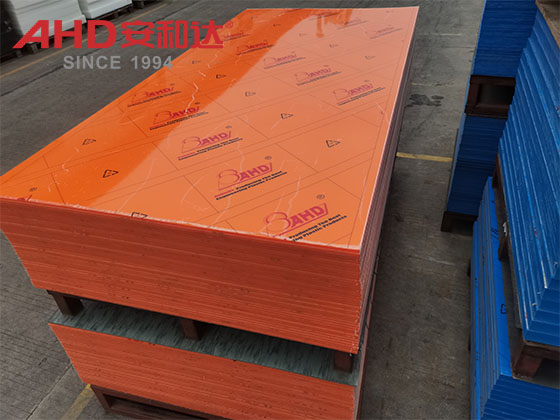
Ⅱ. Production Process and Parameter Control
This is the crucial step in amplifying or minimizing the root cause of the problem.
1. Mixing and Feeding
Uneven Premixing: Resin and masterbatch are not evenly mixed before entering the extruder.
Feed Ratio Fluctuations: Using a poorly accurate volumetric feeder, or changes in material bulk density, causes real-time changes in the ratio of main material to masterbatch, inevitably leading to color fluctuations.
2. Extrusion Process
Temperature Control: This is a very important process parameter. Temperature fluctuations directly affect melt viscosity, shear force, and pigment dispersion; high temperatures can also trigger thermal decomposition. Uneven lateral temperature in the die can cause longitudinal streaks in fixed positions on the extrusion plate.
Screw and Back Pressure: Screw speed determines residence time and shear heat. Back pressure affects mixing uniformity. Instability in either leads to unstable color output.
Filter Clogging: As production progresses, filter clogging increases die head pressure and shear heat, altering the flow state and causing slow color drift.
Material retention and degradation:Old material in the screw, transition zone or die corner of the mold is heated and decomposed for a long time (commonly known as "burning"), and is periodically carried out, forming color spots or black spots.
3. Mold and Cooling
Uneven mold lip clearance: This leads to uneven material output speed and thickness, resulting in visually inconsistent color depth.
Uneven cooling: Rapid cooling versus slow cooling affects the crystallinity and surface gloss of the sheet material. Different gloss levels lead to different color perceptions by the human eye.
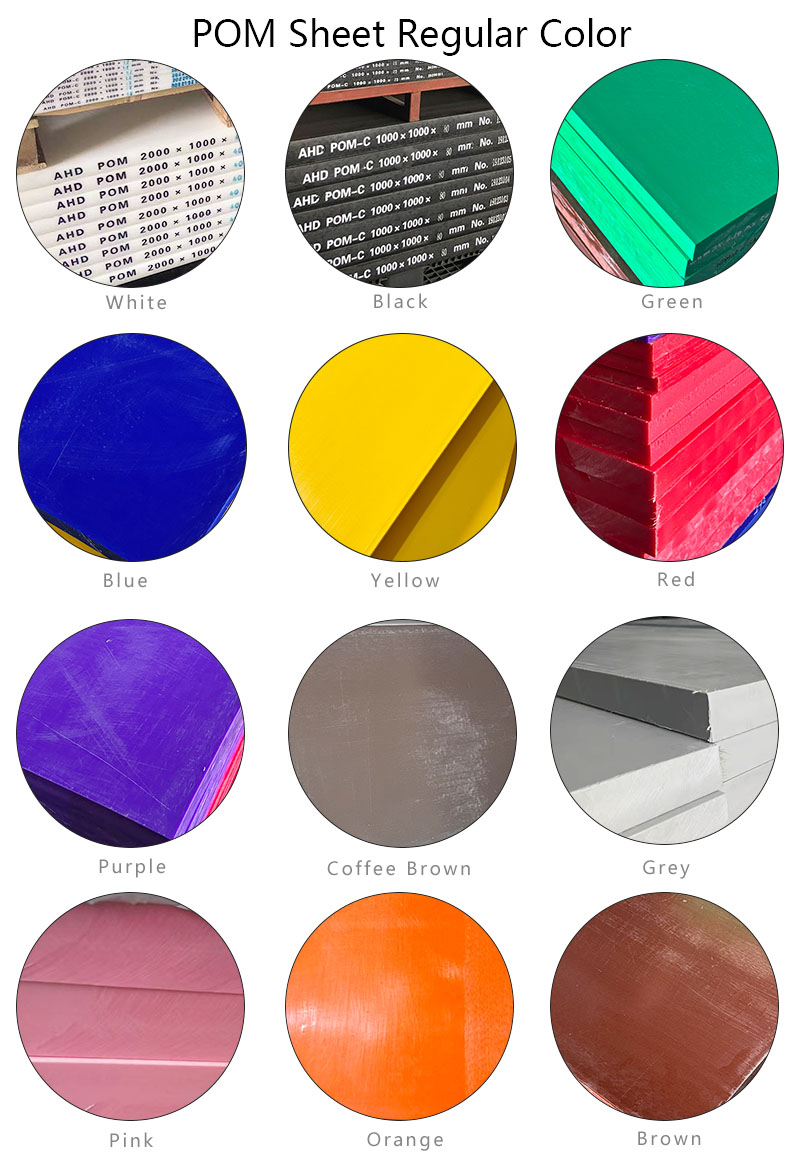
Ⅲ. Equipment and Operation Management
1. Equipment Status
Screw/Barrel Wear: Reduced mixing and conveying capacity, leading to uneven plasticization.
Heating/Temperature Control System Malfunction: Damaged thermocouples or aging heating coils cause discrepancies between actual and displayed temperatures.
Insufficient Feeder Accuracy: Inability to achieve precise formulation execution.
2. Operation and Cleaning
Incomplete Cleaning During Color/Material Changes: Residual pigments contaminate new products.
Lax Process Discipline: Operators arbitrarily adjust heating and cooling or parameters without following procedures.
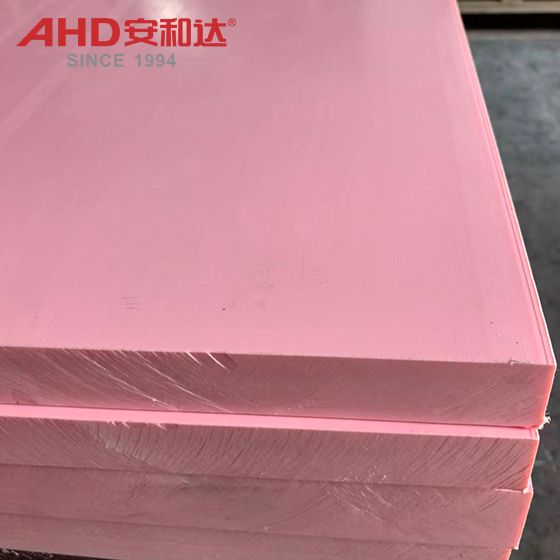
Ⅳ. Color Evaluation and Post-Environment Assessment
Evaluation of Light Source: Color visual effects vary greatly under different light sources (such as fluorescent lamps and natural light), easily leading to misjudgment.
Surface Condition of Board: Roughness, embossed texture, etc., affect light reflection, thus affecting color perception.
AHD understands that every plastic sheet or rod is not just a product, but also a symbol of customer trust. The stability of color and quality stems from a systematic and rigorous approach to every aspect of "people, machines, materials, methods, and environment." By meticulously selecting each batch of raw materials at the source and using precise processes and end-to-end monitoring to control production variables, we ensure that we deliver not only standard-compliant sheets, but also a consistently reliable commitment. Choosing AHD means choosing visible stability and focus.
Green Polyacetal Sheet