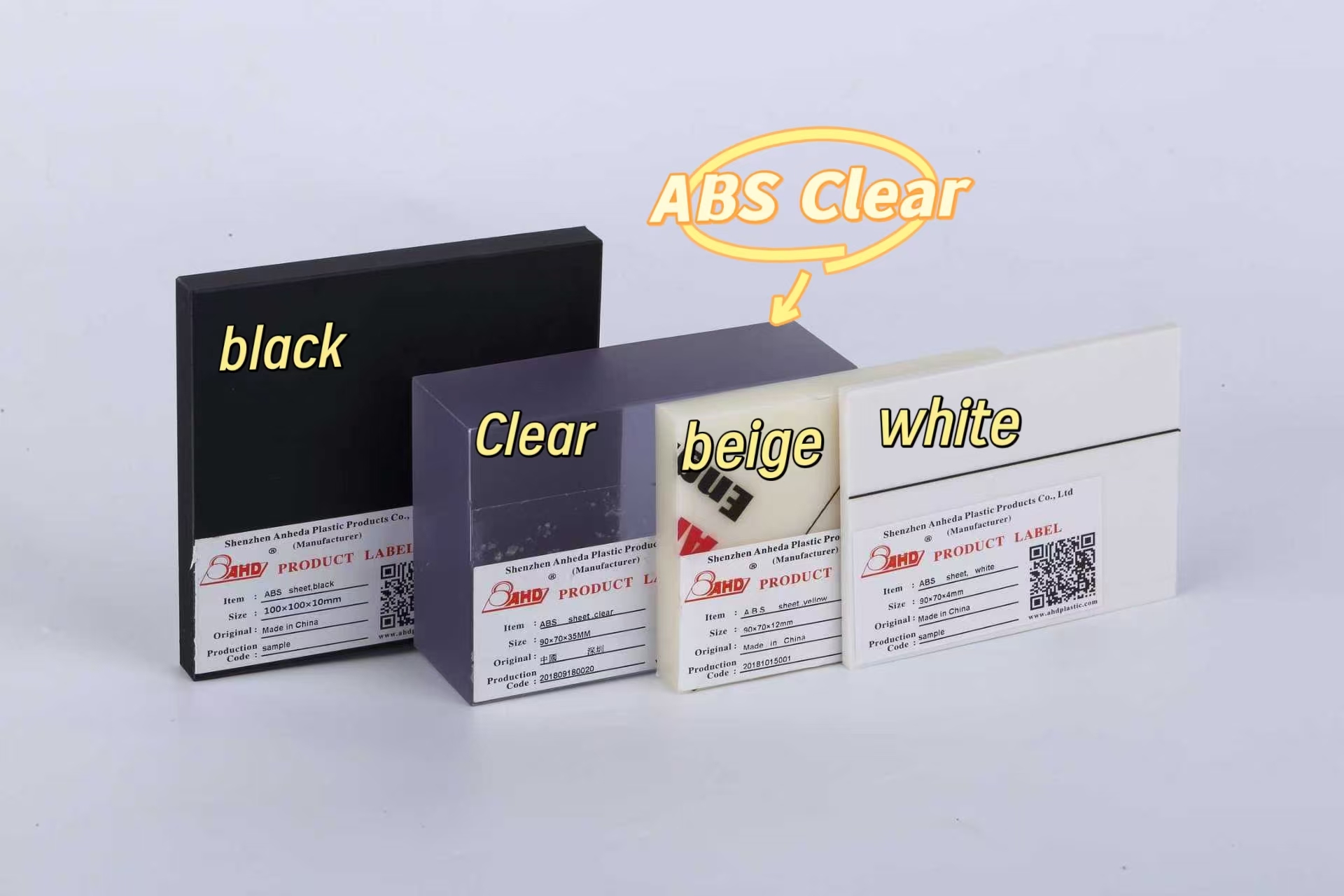
Ⅰ.What is AES?What is the relationship between AES and ABS?
AES (Acrylonitrile-Ethylene Propylene Diene Monomer-Styrene Copolymer) is an abbreviation for acrylonitrile-ethylene propylene diene monomer (EPDM) rubber-styrene copolymer, a new type of engineering plastic developed to address the insufficient weather resistance of ABS resin. Its core structure uses EPDM rubber as the toughening phase (replacing polybutadiene in ABS) and acrylonitrile-styrene copolymer (SAN) as the continuous phase. By reducing the content of double bonds in the molecular chain, it significantly improves weather resistance and thermal stability.
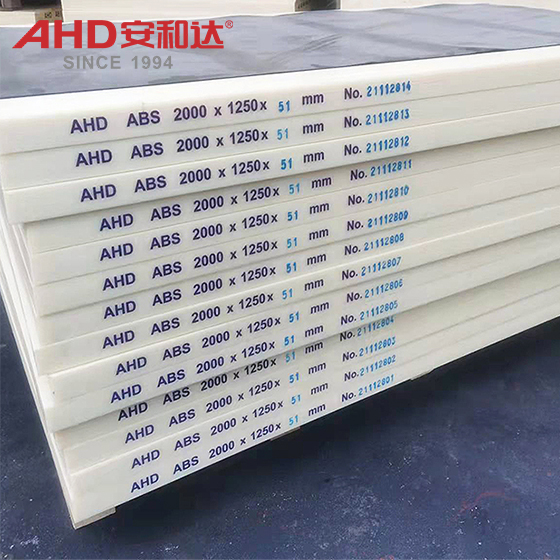
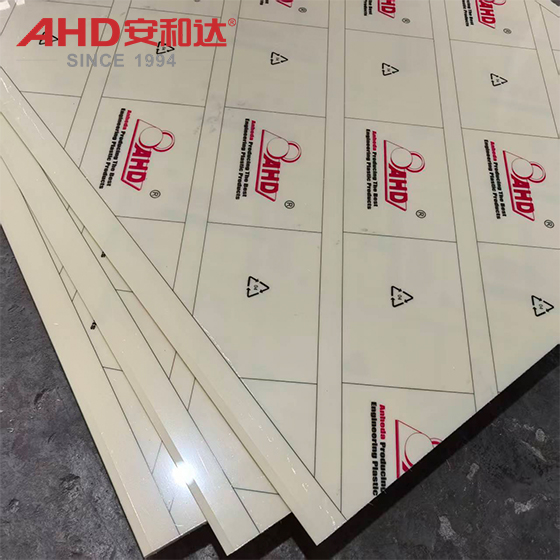
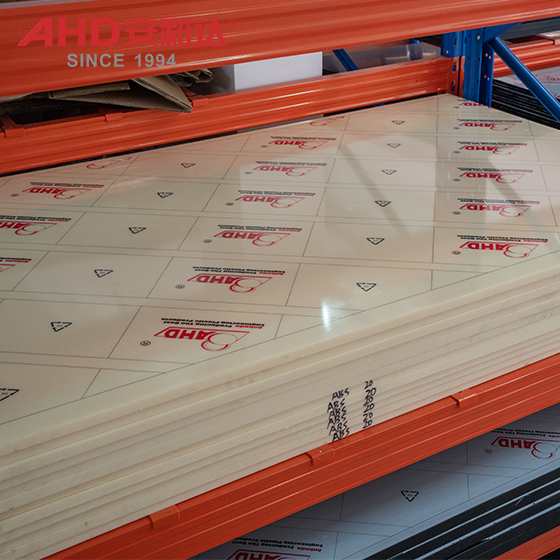
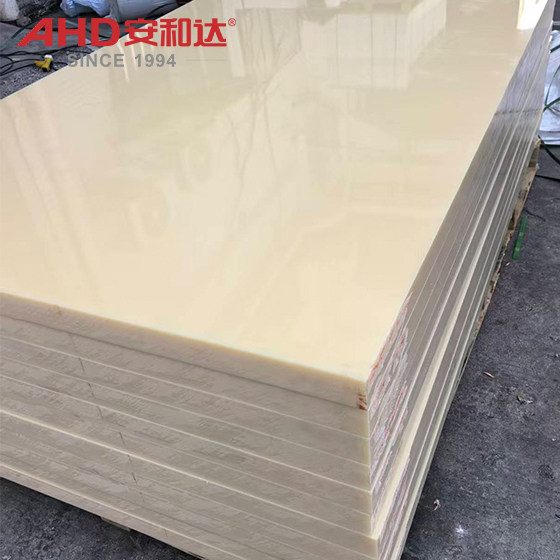 AHD ABS Plastic Sheet
Ⅱ. Similarities between AES and ABS Sheet
Both AES and ABS are styrene-based modified engineering plastics, and they share many similarities in their basic properties and processing characteristics:
Balanced overall mechanical properties: Both possess a good balance of strength, toughness, and rigidity, meeting the basic mechanical requirements of structural components.
Similar processing properties: Both are thermoplastics and can be molded through processes such as injection molding and extrusion. Their surface gloss, dyeability (easy to color), and paintability (such as electroplating and spraying) are similar.
Overlapping application areas: Both are widely used in industries such as home appliances, automobiles, and daily necessities, such as appliance casings and automotive interior parts.
Ⅲ. Differences between AES and ABS
The core difference between AES and ABS lies in their weather resistance and molecular structure, which in turn leads to differences in performance and application scenarios:
| AES | ABS | |
| Molecular Structure | The toughening phase is EPDM (ethylene propylene diene monomer rubber), whose molecular chains have no double bonds and exhibit high stability. | The toughening phase is polybutadiene (PB), whose molecular chains contain double bonds and are easily decomposed by ultraviolet light and heat. |
| Weather Resistance | Its weather resistance far exceeds that of ABS (its resistance to UV rays and heat-oxidative aging is 4-8 times that of ABS), and it will not discolor or become brittle with long-term outdoor use. | Poor weather resistance; long-term outdoor use can easily lead to a decline in physical properties and discoloration (e.g., automotive exterior parts are prone to aging). |
| Low-Temperature Impact Resistance | EPDM has a lower glass transition temperature (Tg) (-60℃), resulting in superior impact strength at low temperatures. | Polybutadiene has a higher Tg (-80℃), leading to a significant decrease in impact strength at low temperatures. |
| Thermal Stability | Higher thermal decomposition temperature (>250℃), less prone to degradation due to high processing temperatures. | Lower thermal decomposition temperature (approximately 240℃), requiring strict temperature control during processing. |
| Cost | Due to the high cost of EPDM raw materials, AES is more expensive than ABS (approximately 30%-50% more expensive). | AES has lower raw material costs (polybutadiene, styrene) and offers better value for money. |
Ⅳ. Application Scope of AES and ABS
The differences in their application scenarios are mainly determined by weather resistance and cost:
1. Application Scope of AES
The core advantage of AES is its weather resistance, therefore it is mainly used for products that require long-term outdoor use or operate in harsh environments:
Automotive Sector:
Exterior automotive parts (rearview mirror housings, radiator grilles, spoilers, rain gutters), functional parts (roof rack supports). These components are exposed to sunlight for extended periods, and AES's weather resistance reduces the need for painting, lowering costs.
Outdoor Equipment:
Outdoor lighting fixtures, garden equipment (such as park tables, trash cans), charging pile housings, motorcycle/bicycle parts. These products need to withstand UV radiation and rain for extended periods, and AES maintains stable appearance and performance.
Consumer Electronics Sector
Housings for outdoor electronic devices (such as surveillance cameras, solar street light controllers), requiring long-term color vibrancy and structural stability.
2. Application Scope of ABS
The core advantage of ABS is its high cost-effectiveness, therefore it is mainly used for indoor or short-term outdoor products:
Home Appliance Sector
Appliance housings (televisions, washing machines, air conditioners), interior parts (such as air conditioner panels). These products are primarily used indoors, where ABS's balanced performance and low cost meet the requirements.
Automotive Interiors
For automotive interior parts (dashboards, door handles, gear shift levers), which are not directly exposed to sunlight, ABS surface treatments (such as electroplating and spraying) meet aesthetic requirements.
Daily Necessities and Toys
For toys (such as building blocks) and electronic device housings (such as mobile phones and computers), where weather resistance requirements are lower, ABS's ease of processing and dyeing makes it the preferred choice.
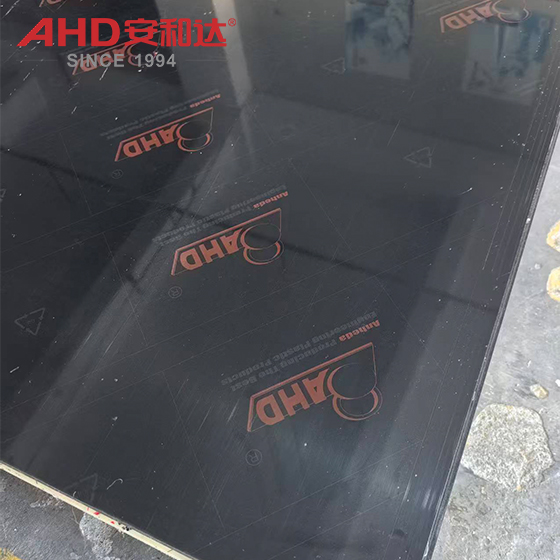
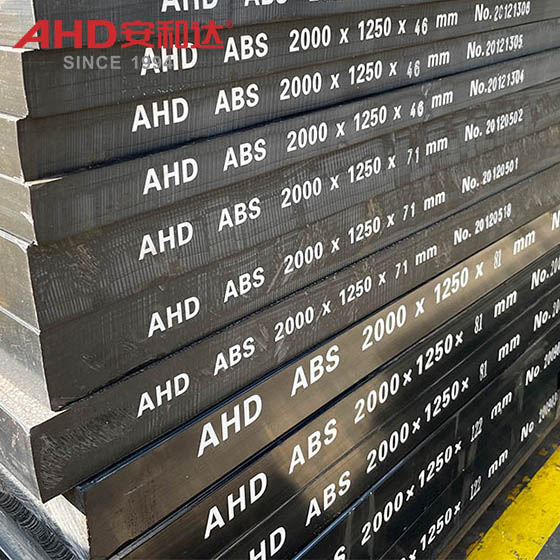
AHD ABS Plate Black
Ⅴ. AES vs. ABS Selection Guide
1. Scenarios Where AES is Preferred
Long-term outdoor use: Such as automotive exterior parts, outdoor lighting, and garden equipment, requiring resistance to UV rays and rain. AES's weather resistance prevents aging issues.
Maintaining appearance over a long period: Such as outdoor electronic device housings and advertising signs. AES has better color stability than ABS, helping to keep products looking fresh.
Low-temperature environment use: Such as automotive parts and outdoor tools used in northern winters. AES has better low-temperature impact resistance and is less prone to cracking.
2. Scenarios Where ABS is Preferred
Indoor use: Such as appliance housings and automotive interior parts. ABS offers better cost-effectiveness, and surface treatments (such as electroplating and spraying) can meet appearance requirements.
Short-term outdoor use: Such as temporary outdoor display stands and seasonal products. ABS has a more significant cost advantage, and there is no serious aging during short-term use.
Cost-sensitive products: Such as toys and daily necessities. ABS's lower cost reduces the overall product price, while its performance meets basic requirements.
3. Summary:
Outdoor/Harsh Environments: Choose AES (weather resistance is the core requirement);
Indoor/Short-Term Outdoor: Choose ABS (cost-effectiveness and ease of processing are core requirements);
Low-Temperature Environments: Choose AES (better low-temperature impact resistance);
Cost Sensitive: Choose ABS (lower price).
Both AES and ABS are important engineering plastics, but their core differences lie in weather resistance (AES is superior) and cost (ABS is lower). In practical applications, the appropriate material should be selected based on the product's operating environment (indoor/outdoor), performance requirements (weather resistance/low-temperature impact resistance), and cost budget (cost-effectiveness). In short: choose AES for outdoor use and ABS for indoor use.