

In recent years, the global development of TPE materials has been rapidly increasing. More and more medical device manufacturers are choosing thermoplastic elastomers (TPEs) for products requiring flexibility or rubber-like elasticity. The application of TPE materials in the medical industry has become a major highlight.
TPE materials have become a substitute for Silicone Rubber Sheet Rod and PVC Sheet Rod. They are widely used in medical devices such as tubing, medical bags, stoppers, gaskets, and sealing bags.

Ⅰ. Reasons for the Widespread Application of TPE Materials in the Medical Industry
The versatility of TPE is one of the reasons for its application in the medical industry. Currently available TPE materials can meet a wide range of end-use requirements, and for any specific application category, TPE material suppliers can provide two or more chemically different TPE categories.
TPE offers a wide range of properties, from ultra-soft or gel-like to semi-rigid materials; optical properties range from transparent to opaque. TPE products are available in different grades to meet requirements for strength, low-temperature toughness, thermal stability, chemical resistance, and UV resistance. Furthermore, TPE can be processed in various ways, including injection molding or blow molding, multi-material insert molding, extrusion or co-extrusion, to produce films, sheets, profiles, or tubes.
The chemical inertness or inherent "clean" composition of TPE is also ideal for medical applications. Medical-grade TPE is made from FDA-compliant raw materials and is free of phthalates and latex proteins. In addition, TPE materials themselves do not contain extractable or leaching substances, even when in contact with water-based systems (such as liquids).
Ⅱ. TPE Materials vs. Traditional Materials in the Medical Industry
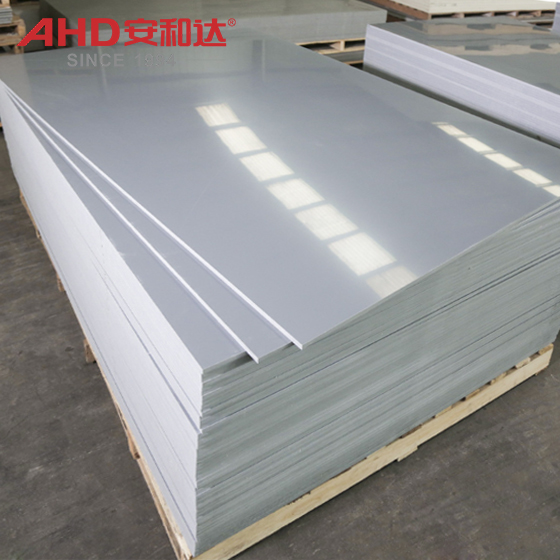
PVC: The medical device industry is gradually abandoning PVC Plate Rod, primarily because it generally contains phthalate plasticizers, which can produce dioxins and other substances harmful to human health and the environment when incinerated. Although phthalate-free PVC compounds are now available for the medical industry, the lifespan of PVC itself remains a concern, leading manufacturers to prefer alternative materials.
Latex: The problems with latex include potential protein allergies in users, industry concerns about the content of curable and leachable substances, and odor. Another factor is economics: processing rubber is more labor-intensive than processing TPE, and TPE processing waste is recyclable.
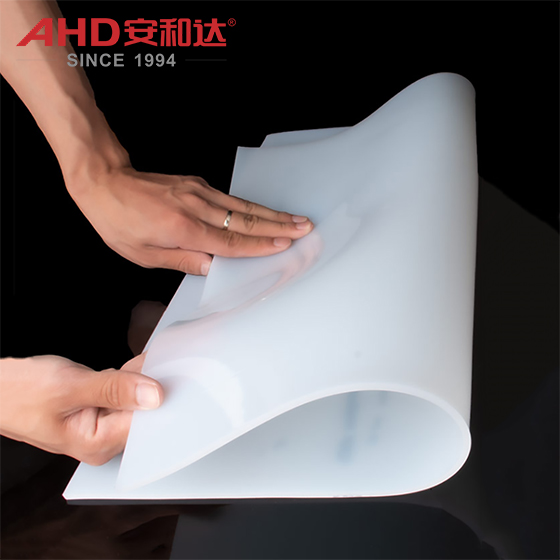
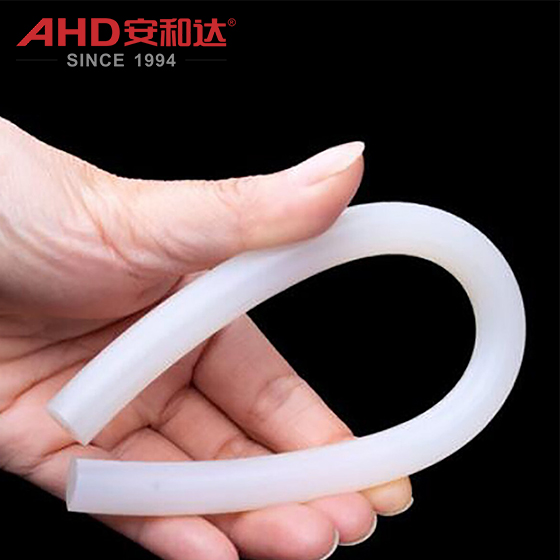
Silicone Rubber: Many products using Solid Silicone Rubber Rod and Sheet do not require its high heat resistance or low compression set at high temperatures. Silicone certainly has its advantages, including the ability to withstand multiple sterilization cycles, but for some products, TPE is a more cost-effective alternative. In many cases, it offers improvements over silicone. Typical applications where TPE can be used instead of silicone include drain pipes, bags, pump pipes, face mask gaskets, and seals.
Ⅲ. Applications of TPE Materials in the Medical Industry
1. TPE Tourniquets
TPE tourniquet material is a new type of environmentally friendly material based on thermoplastic styrene-butadiene rubber (SBR). Its main components include SEBS, PP, and white oil.
Performance Advantages:
⑴Smooth and delicate surface with a skin-like texture;
⑵High tensile strength and good hemostatic effect;
⑶Good elasticity, small tensile deformation, high production efficiency, and easy coloring;
⑷Environmentally friendly, fully compliant with food, medical, and FDA standards;
⑸Odorless, virtually pollution-free when incinerated as medical waste, and does not produce large amounts of carcinogens like dioxins found in PVC.
⑹Special models feature a professional nano-antibacterial formula that instantly kills 99% of common bacteria;
⑺Contains no special proteins and will not cause allergic reactions in certain groups.
2. TPE Thermometers
The application of TPE material in thermometers is one of the typical applications of TPE material in overmolding.
Performance Advantages:
⑴Environmentally friendly and safe, phthalate-free, halogen-free, and free of the 38 SVHCs (Substances of Very High Concern) as specified by REACH, complying with RoHS, REACH, NP, EN71, and PAHS environmental testing standards;
⑵Excellent processing performance, adhesion, and coating effect;
⑶Good elasticity, giving the thermometer a comfortable feel, improving grip, enhancing aesthetics, and increasing added value.
3. TPE Medical Rollers
TPE is recyclable, has adjustable hardness, and meets FDA and heavy metal content requirements. It is a recognized environmentally friendly material, meeting the medical industry's demand for cleaner, safer, and more cost-effective materials. The application of TPE in medical rollers is a typical example.
Performance Advantages:
⑴Good wear resistance, good adhesion, and good shock absorption;
⑵Quiet operation, no noise interference, achieving a silent effect;
⑶Superior physical properties: Good appearance and texture, easy to color, uniform and stable color tone;
⑸Resistant to common chemicals (water, acids, alkalis, alcohol solvents), can be briefly immersed in solvents or oils;
⑸Non-toxic, non-polluting, and recyclable.
4. TPE Medical Film Surgical Blanket
TPE material can be used in medical film surgical blankets.
Performance Advantages:
⑴Breathable, moisture-wicking but not water-permeable, antibacterial;
⑵Good puncture resistance and slip resistance;
⑶Delicate and dry feel with a skin-like texture and good skin affinity;
⑷Good elasticity, minimal stretching deformation, and rapid recovery;
⑸Easy to color; Odorless, environmentally friendly and safe, FDA tested.